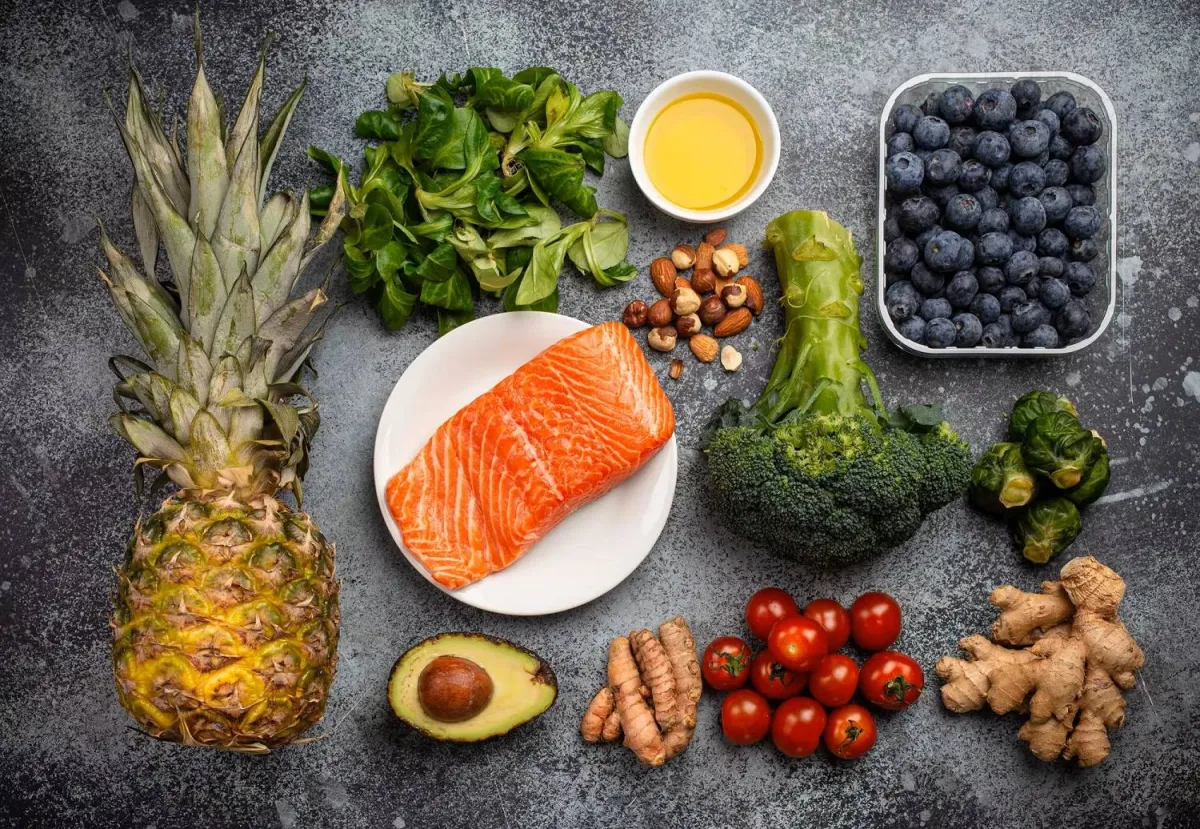
Nutrition experts indicate that chronic inflammation may be one of the hidden causes behind numerous chronic diseases and recurrent injuries, with diet playing a pivotal role in this context. Individuals often go through long periods without realizing that their food choices could negatively impact their health, as the symptoms of inflammation are often vague or attributed to aging.
However, understanding the signs that indicate your food is causing inflammation can assist in making simple dietary adjustments, thereby reducing inflammation and associated symptoms, and enhancing your overall well-being, according to the American magazine Prevention.
Event Details
Nutrition experts affirm that food is not the only factor contributing to inflammation. Dr. Sapna Perofimpa, an American nutritionist, states that it is challenging to pinpoint diet as the sole cause of inflammation, as many health conditions, including infections and autoimmune diseases, can elevate inflammation markers in the body.
Nonetheless, Dr. Destiny Moody, another American nutritionist, points out that diet-induced chronic inflammation often represents a "silent threat," as individuals do not experience clear symptoms from their continuous consumption of inflammatory foods. Over time, the body becomes accustomed to these symptoms, leading individuals to believe that fatigue or pain is a normal part of life or aging, while in many cases, these symptoms can be treated or alleviated through simple dietary changes.
Context and Background
Experts highlight five signs that may indicate your food is increasing inflammation in the body, including elevated blood pressure, triglyceride levels, and cholesterol, which are key factors in the development of heart diseases. Chronic inflammation can also cause joint pain, with symptoms improving when increasing the intake of fruits and vegetables and reducing sugars.
Additionally, persistent fatigue and low energy are significant indicators, as chronic inflammation contributes to the body feeling tired, especially with aging. Studies link elevated inflammation levels to the severity of fatigue in older adults. Digestive issues, such as constipation, diarrhea, or stomach disorders, may also arise, indicating that food could be a contributor to chronic inflammation.
Consequences and Impact
The final sign is the recurrence of illnesses; chronic inflammation weakens the immune system, making the body more susceptible to infections and recurrent diseases. Collectively, these signs suggest that diet may be one of the most crucial factors causing chronic inflammation in the body.
To reduce inflammation and improve health, nutrition experts recommend following simple steps, the first of which is to decrease the intake of inflammatory foods such as processed foods, refined carbohydrates like white flour and sugars, added sugars, fried foods, and red and processed meats.
Impact on the Arab Region
Conversely, experts advise increasing the consumption of anti-inflammatory foods, such as fruits and vegetables rich in antioxidants like berries, pomegranates, strawberries, oranges, and cherries, along with artichokes, spinach, kale, beets, sweet potatoes, and plant-based foods like whole grains, legumes, nuts, and seeds, as well as fatty fish rich in omega-3 fatty acids such as salmon, sardines, and herring.
Understanding the relationship between diet and chronic inflammation can contribute to improving quality of life and enhancing health awareness among individuals, positively reflecting on the overall health of communities.