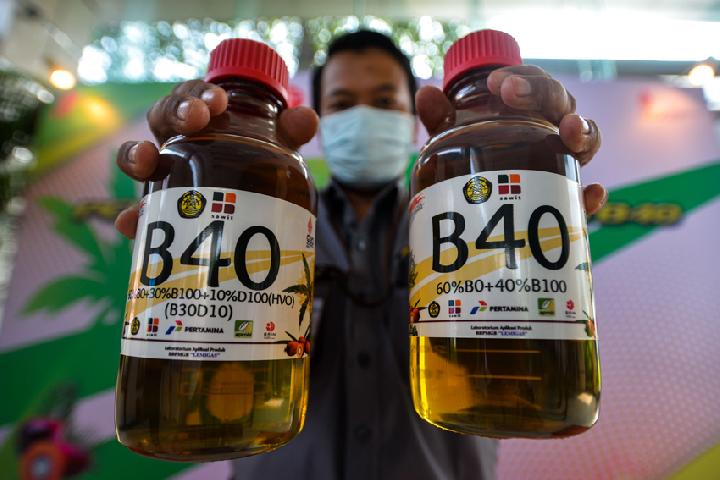
Yusuf Rendi Manilet, a researcher at CORE in Indonesia, emphasized that accelerating the implementation of B50 biodiesel requires comprehensive readiness from production to distribution stages. This is essential to ensure national energy stability amid global tensions. Manilet explained that the government must ensure the availability of crude palm oil (CPO) supplies, FAME production capacity, and the necessary infrastructure for blending and distribution.
Manilet pointed out that product quality is a crucial factor to ensure that B50 biodiesel is compatible with transportation and logistics engines. He also stressed the importance of providing financial incentives in the early stages to maintain the program's viability, especially since biodiesel prices are not always lower than traditional diesel prices.
Event Details
In an interview with Antara News Agency, Manilet clarified that accelerating the implementation of B50 biodiesel is not just a policy; it requires precise coordination among various industrial sectors. He emphasized the need to enhance demand for biodiesel to ensure successful implementation, as the lack of confirmed demand from the transportation and industrial sectors could hinder the project.
Regarding the impact of implementing B50 amid the potential rise in global oil prices due to conflicts in the Middle East, Manilet considered this policy strategic, although it will not completely eliminate pressures. He explained that B50 could act as a "safety valve" that reduces dependence on diesel imports, helping to alleviate pressures on the trade balance and local energy prices.
Background & Context
Indonesia is one of the largest producers of palm oil in the world, placing it in a strategic position to develop renewable energy sources such as biodiesel. However, implementing such policies requires a delicate balance between industrial needs and food security requirements, as increased demand for palm oil for energy could affect food prices.
Historically, Indonesia has witnessed multiple attempts to promote the use of renewable energy; however, economic and political challenges have hindered the achievement of desired goals. With rising global tensions, enhancing energy independence has become increasingly essential.
Impact & Consequences
The B50 biodiesel policy requires careful consideration of the potential consequences for the national economy. On one hand, this policy could help reduce dependence on imports, but on the other hand, it could lead to increased food prices if the demand for palm oil is not managed effectively.
There are also environmental sustainability risks, as the impact of palm cultivation on the local environment must be monitored. If this cultivation is not managed well, forests and natural habitats may be threatened.
Regional Significance
Amid ongoing tensions in the Middle East and their impact on global oil prices, Indonesia's experience in implementing B50 biodiesel could serve as a model for Arab countries. Nations facing oil price fluctuations could benefit from developing alternative energy sources to enhance their energy stability.
In conclusion, implementing the B50 biodiesel policy in Indonesia requires comprehensive coordination between the government and the private sector to ensure its success and sustainability. Clear strategies must also be in place to address potential challenges, including impacts on food security and the environment.