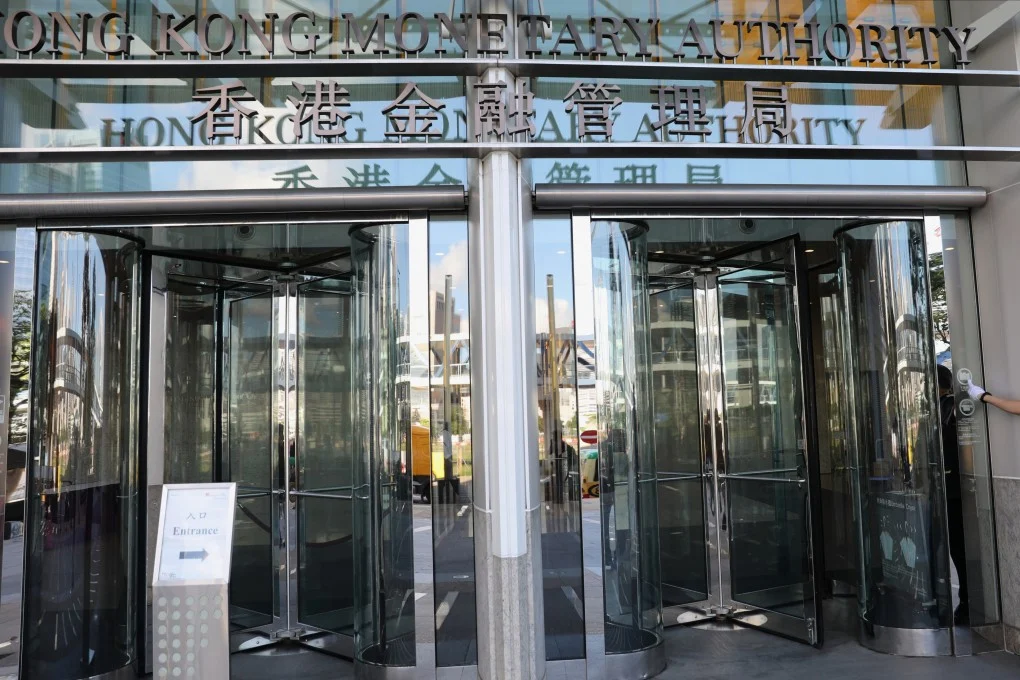
Hong Kong's monetary authority has taken a strategic step to boost the city's status as a global digital finance hub by forming a group of industry experts to redefine the regulatory and legal framework for tokenized bonds (Tokenized Bonds). This move comes as part of the local authorities' efforts to transition from experimental projects to wide-scale applications, including private sector issuances.
The new group, called the Tokenised Bond Expert Group, comprises 21 prominent international and local institutions, ranging from major international banks and leading law firms to financial infrastructure providers and digital asset specialists. This elite group aims to evaluate the legal, technical, and regulatory challenges hindering the adoption of blockchain-based bond issuances on a commercial scale.
Initiative Details and Strategic Objectives
The group focuses on studying the core obstacles facing digital bond issuances, starting from issues of legal ownership of marked assets, through settlement and reconciliation mechanisms, to investor protection in decentralized environments. Through this alliance, HKMA seeks to build a flexible regulatory environment that keeps pace with technological innovation without compromising financial stability standards.
In this context, it is worth noting that Hong Kong has previously issued experimental tokenized bonds within government programs, but the main challenge now lies in encouraging the private sector to adopt this mechanism voluntarily and sustainably. This step is part of a comprehensive strategy to make Hong Kong the primary launchpad for digital financial assets in the Asia-Pacific region.
Historical Context and Regulatory Background
Tokenized bonds represent a natural evolution of traditional capital markets, characterized by the ability to divide ownership into extremely small units, facilitating secondary trading, and reducing operational costs associated with financial intermediaries. However, the new model raises fundamental questions about jurisdictional competence, the rights of bondholders in cases of bankruptcy, and mechanisms for ensuring cross-border tax compliance.
Hong Kong has historically played a central role in financial markets due to its common law system (Common Law), serving as a financial gateway linking Chinese markets to the global economy. Today, the city aims to leverage this legal heritage to build a regulatory framework addressing the emerging gaps caused by distributed technologies, amidst increasing competition from other financial centers like Singapore and Dubai.
Implications and Market Impact
This initiative is expected to accelerate the maturation of the digital assets market by providing legal clarity that enables major financial institutions to enter this field with greater confidence. Tokenized bonds offer benefits beyond cost reduction, opening up opportunities for the integration of artificial intelligence in compliance management and enabling individual investors in emerging markets to participate in issuances previously reserved for institutional investors.
In addition, this shift may pave the way for the emergence of 24/7 cross-border secondary markets, enhancing the liquidity of government and private debt instruments and narrowing the financing gap faced by large infrastructure projects in the Asia-Pacific region.
Regional Significance
This development carries direct implications for the Arab world, particularly emerging financial centers in the Gulf that are competing to attract digital investments. Dubai and Abu Dhabi, which have launched advanced regulatory frameworks for digital assets, can benefit from Hong Kong's experience in formulating rules specific to tokenized bonds that align with Islamic law, thereby opening the door to tradable digital Digital Sukuk.
This path also enables Arab central banks to study the feasibility of issuing digital treasury bonds, facilitating monetary policy operations and providing governments with more effective tools for managing liquidity. However, the main challenge remains building a unified digital infrastructure and harmonized legal frameworks across Arab countries to ensure the success of such initiatives.
This announcement serves as a call for global dialogue on the future of decentralized finance, underscoring that the next phase of financial development will be a battle between technologies and regulations, where success lies in striking a balance between innovation and stability.