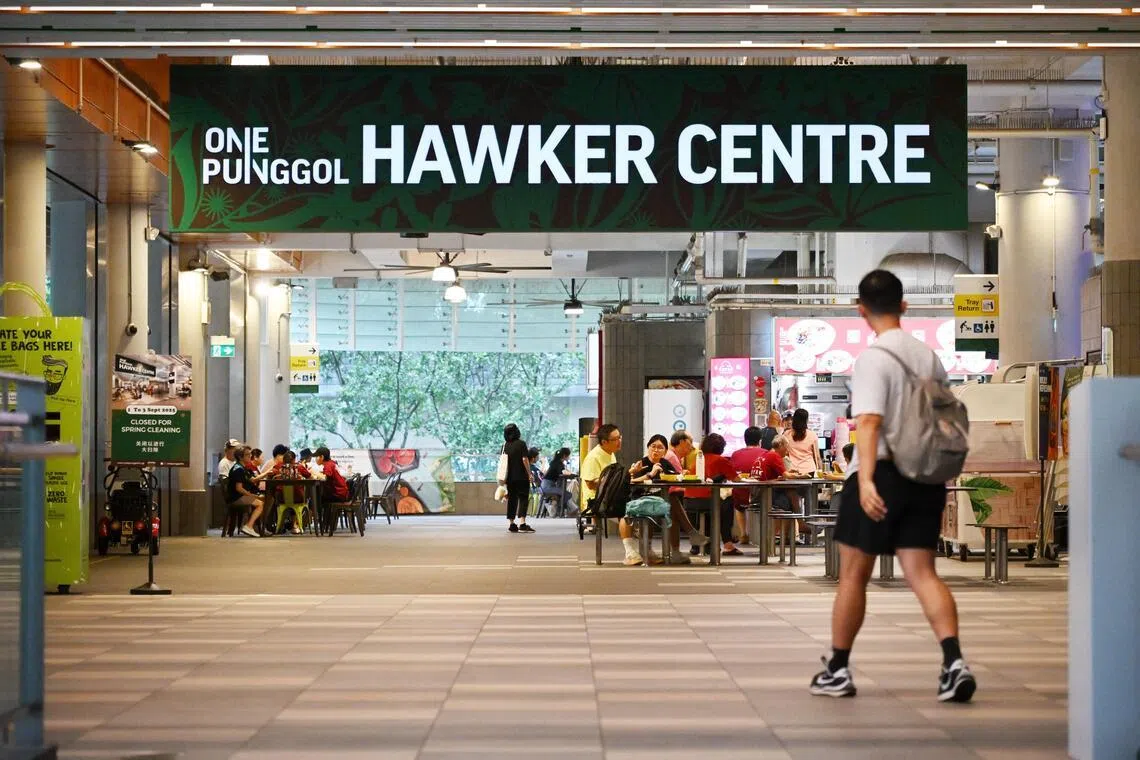
Singaporean authorities have unveiled a strategic decision to restructure the management of one of the island's most prominent hawker centres, as Hawkermania prepares to assume control of the One Punggol Hawker Centre effective August 14, 2026. The transition will see the emerging food facility management company replace Timbre + Hawkers, which will conclude its stewardship of the centre a full year ahead of its originally scheduled three-year contract term.
This announcement comes as the Punggol district undergoes rapid urban and community development, with the hawker centre serving as a vital hub for daily life in one of Singapore's most densely populated residential areas. Housing approximately 42 stalls offering diverse local and Asian cuisine, the facility represents more than just a dining venue—it embodies the city-state's commitment to preserving its culinary traditions, which earned a place on UNESCO's Intangible Cultural Heritage list in 2020.
Transition Timeline and Contract Details
Hawkermania, a specialized food facility and hawker centre management company, is scheduled to commence operations and maintenance duties at One Punggol by mid-August 2026. Local reports confirm that this date coincides with the termination of the current operator Timbre + Hawkers, whose contract was originally slated to run until August 2027 under its initial three-year agreement.
Despite the official announcement regarding the contract end date, authorities have not disclosed the precise reasons for the premature termination, occurring 12 months ahead of schedule. This lack of transparency has sparked speculation regarding the relationship between government agencies and the incumbent operator. However, observers suggest the decision likely stems from periodic performance reviews conducted in a sector subject to stringent standards in Singapore, particularly concerning service quality and food diversity for residents.
Background & Context
Hawker centres in Singapore represent a unique cultural and economic phenomenon, blending social accessibility with immense culinary diversity. These open-air food complexes were inscribed on UNESCO's Representative List of the Intangible Cultural Heritage of Humanity in 2020, recognizing their role in strengthening social cohesion and national identity within Singapore's multi-ethnic society.
One Punggol sits within an integrated community hub in the modern Punggol residential estate, located in the northeast of the island. The centre accommodates approximately 42 commercial stalls serving dishes ranging from laksa and chicken rice to Indian and Malaysian cuisine, catering to thousands of daily patrons in one of the city-state's fastest-growing neighborhoods.
Impact & Consequences
The operator change at a facility of this magnitude carries significant economic and social implications, affecting everything from the fate of existing stallholders to daily visitor experiences. Management transitions in Singapore's hawker sector typically introduce new rental policies, vendor selection criteria, and hygiene standards, creating uncertainty among small business owners who depend on these venues for their livelihood.
Conversely, Hawkermania appears positioned as an ascending player in the food facility management market, potentially seeking to distinguish itself through digital technology integration, customer loyalty programs, or cultural food events. Such innovations could reshape the hawker dining experience at One Punggol, making it more appealing to younger generations and families while maintaining the authentic character that earned the location its cultural distinction.
Regional Significance
Despite the geographical distance between the Arab world and Singapore, the city-state's hawker centre management experience offers crucial insights for Arab nations seeking to regulate their traditional restaurant and street food sectors. From Cairo to Dubai, Doha to Casablanca, traditional markets face similar challenges regarding organization, public health standards, and preservation of local culinary identity.
These developments also open avenues for Arab investment in Asian food sectors, whether through commercial partnerships introducing Singaporean cuisine to Middle Eastern restaurants, or through direct investment in specialized management companies like Hawkermania that demonstrate viable business models for collective food facilities. This news serves as a reminder that quality management in public food venues is not a luxury but a social necessity requiring high standards and periodic contract reviews to ensure public interest remains paramount.
The One Punggol transition ultimately illustrates how modern cities must balance heritage preservation with operational efficiency, ensuring that cultural treasures remain accessible, affordable, and relevant for future generations while meeting contemporary governance standards.