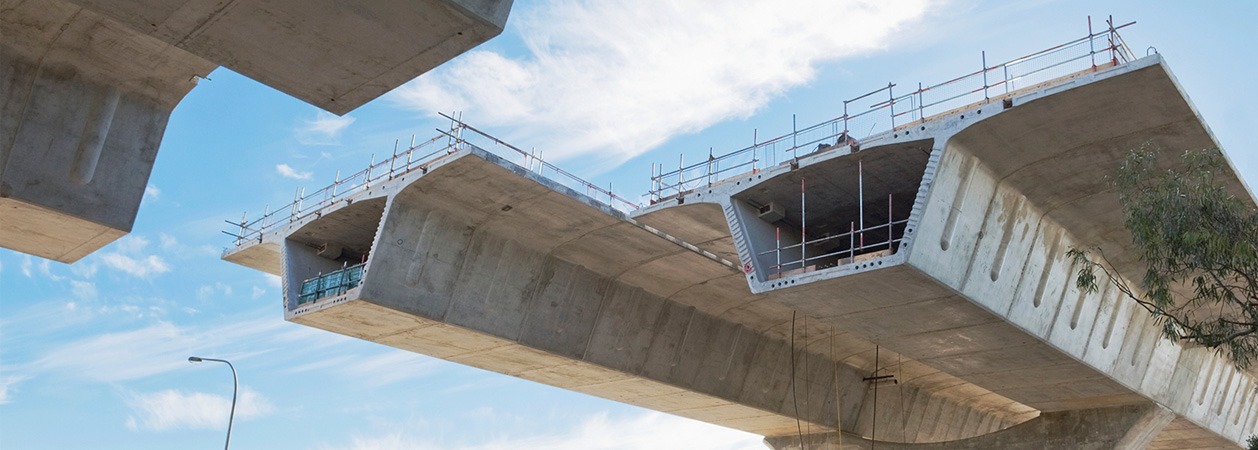
Rosan B. Roslani, CEO of Danantara, announced plans to expedite the construction of an overpass in the Bekasi area, specifically near the intersection close to the East Bekasi Station, during a press conference at Bekasi Hospital on Tuesday (April 28). This initiative comes in the wake of a collision between the long-distance train "Argo Pramo Angrik" and the commuter train "KRL Commuter Line," resulting in numerous injuries and significant damage.
Roslani emphasized that this project aligns with government directives to enhance traffic safety, particularly after the tragic incident that raised widespread concern within the community. He highlighted the importance of this overpass in improving traffic flow and reducing accidents in the region.
Details of the Incident
The recent accident occurred in the Bekasi area, where a long-distance train collided with a passenger train, injuring many passengers. This incident has raised questions about railway safety in Indonesia and the necessity for improved transportation infrastructure. Consequently, the Indonesian government has decided to accelerate the implementation of the overpass project.
The planned overpass is expected to alleviate traffic congestion in the area, as this intersection is one of the busiest points. The project also includes enhancements to the traffic signal system to prevent future accidents.
Background & Context
Historically, Indonesia has witnessed numerous tragic incidents in the railway sector, prompting the government to take urgent measures to improve safety. In recent years, various development projects have been implemented in this sector, yet accidents remain a significant challenge.
The Indonesian government, under President Prabowo Subianto, is striving to modernize transportation infrastructure, including railways and highways, to enhance safety and efficiency. This overpass is considered part of these ongoing efforts.
Impact & Consequences
Accelerating the construction of the overpass in Bekasi is viewed as a positive step towards improving traffic safety and is expected to significantly impact transportation in the region. This project is anticipated to reduce traffic accidents, thereby boosting public confidence in the transportation system.
Moreover, improving infrastructure will contribute to attracting investments to the area, potentially leading to greater economic growth. The government hopes that this project will serve as a model for similar initiatives in other parts of the country.
Regional Significance
Although the accident occurred in Indonesia, the lessons learned from this event can be applied in Arab countries. Many Arab nations face similar challenges regarding traffic safety, particularly in densely populated urban areas.
Arab countries can benefit from Indonesian experiences in enhancing transportation infrastructure and promoting traffic safety, which may help reduce accidents and improve the quality of life for citizens.
In conclusion, the acceleration of the overpass construction in Bekasi demonstrates the Indonesian government's commitment to improving traffic safety and reflects the importance of investing in transportation infrastructure. This project could mark the beginning of larger efforts to enhance the transportation system in the country.