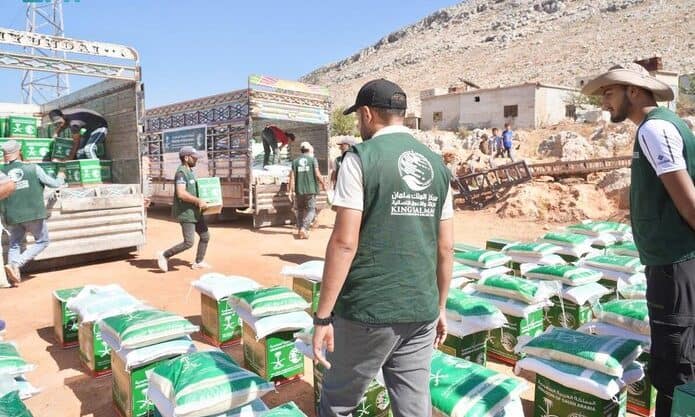
Marga Tawfiq, Deputy Director General of the Indonesian Bulog, emphasized the importance of speeding up the distribution of rice and oil aid in North Sumatra. This statement was made during a field visit to monitor the distribution process and ensure timely delivery to beneficiaries.
Tawfiq noted that Bulog, the main food supplier in Indonesia, is committed to meeting citizens' needs for essential food items. He stressed that there should be no delays or obstacles in the distribution process, especially given the local government's commitment and community support.
Details of the Event
During his visit to the Pekan Labuhan area in Medan, Tawfiq observed the distribution of food aid, where each beneficiary received 20 kilograms of rice and 4 liters of oil. Approximately 35 million people nationwide are targeted to receive this aid, with around 6.5 million beneficiaries having received assistance so far.
In North Sumatra, about 1.2 million beneficiaries have been reached, reflecting the efforts made to ensure aid reaches those in need. Tawfiq expressed appreciation for the field workers who continue to work late into the night to ensure services are provided to citizens.
Background & Context
This initiative is part of the Indonesian government's efforts to address economic challenges and meet citizens' needs for essential food items. Many citizens are suffering from rising prices and food shortages, necessitating urgent government intervention to provide the necessary support.
Historically, Indonesia is one of the largest producers of oil and rice in the world; however, current economic challenges have affected citizens' ability to access these commodities. Therefore, food aid programs are essential to ensure food security.
Impact & Consequences
Accelerating food aid distribution has positive effects on the community, as it helps alleviate the economic burdens on poor families. It also enhances citizens' trust in the government and its ability to meet their basic needs.
On the other hand, the success of these programs depends on good coordination between local government and relevant stakeholders, necessitating strengthened partnerships and information sharing to ensure effective aid delivery.
Regional Significance
Indonesia's experience in distributing food aid serves as a model that Arab countries can benefit from, especially amid the economic challenges faced by many nations in the region. Strengthening food aid programs can contribute to achieving food security and social stability.
In conclusion, the Indonesian government's efforts to accelerate food aid distribution reflect its commitment to meeting citizens' needs, enhancing trust in government institutions, and providing a model to be emulated in the region.