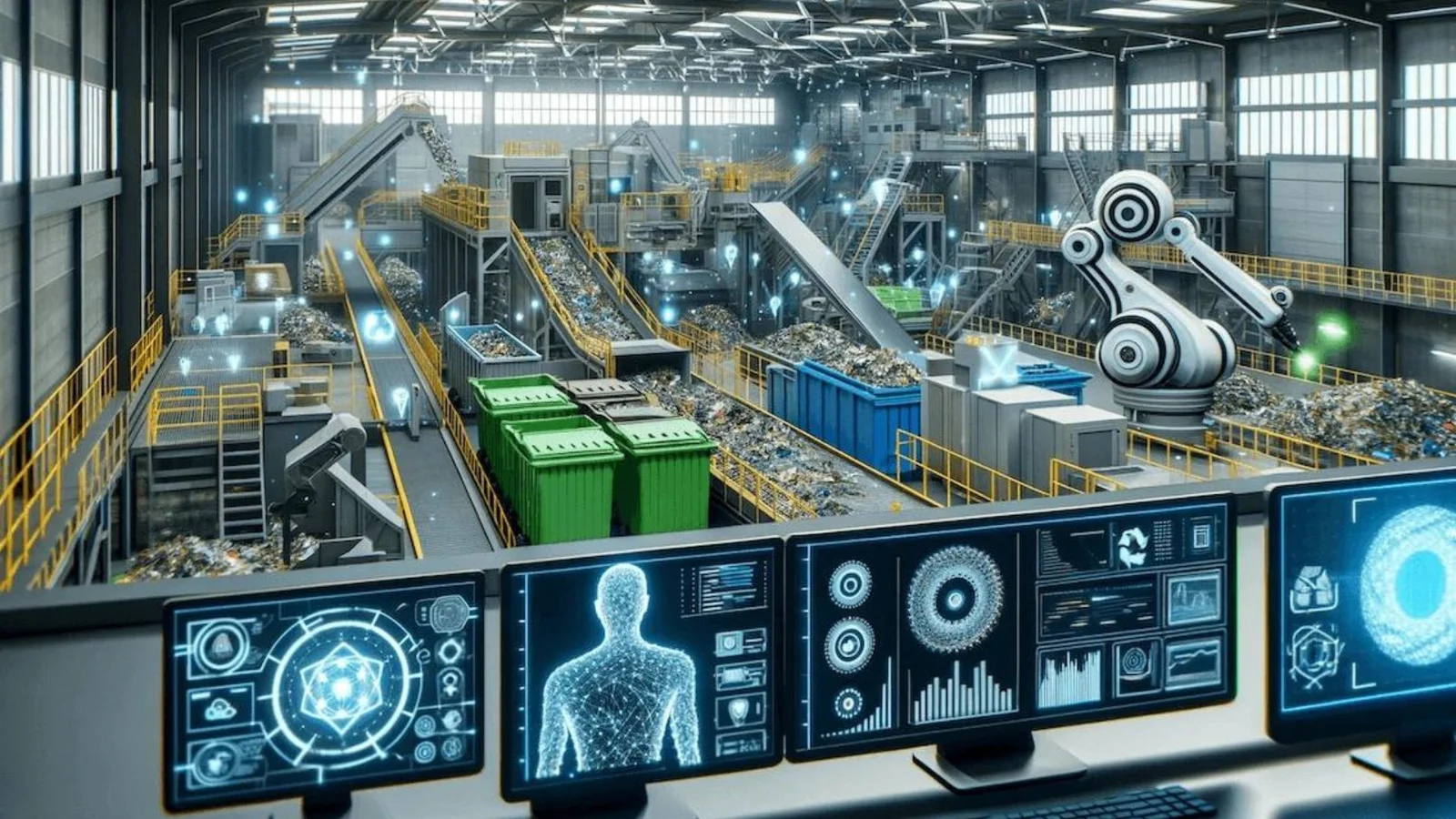
The head of the Environmental Committee in Jakarta's City Council, Yook Yurik, has urged for the acceleration of modern technologies such as the Intermediate Treatment Facility (ITF) and Refuse-Derived Fuel (RDF) to address the increasing waste crisis in the Indonesian capital. Yook stated in his remarks on Wednesday that waste management has become an urgent necessity to confront the environmental challenges faced by the city.
Yook pointed out that Jakarta produces approximately 8,500 tons of waste daily, necessitating the need for quick and effective solutions. He explained that the ongoing reliance on the waste processing facility in Banggaribang cannot continue, especially in light of crises that may affect processing operations.
Details of the Call to Action
This call comes at a time when Jakarta is facing significant challenges in waste management, with increasing amounts accumulating at various points, exacerbating environmental conditions. Yook emphasized the importance of identifying suitable technologies for waste processing according to their locations and circumstances, stressing the need not to rely solely on the Banggaribang facility.
He also urged the local government to establish a clear plan (roadmap) that includes specific timelines for addressing the waste crisis, noting that the absence of such a plan has led to ineffective waste management, as existing solutions still suffer from improvisation.
Background & Context
Historically, Jakarta has faced major issues in waste management, as the city is one of the most densely populated in the world. With the growing population and rapid urbanization, waste management has become a significant challenge that requires immediate and effective responses. In recent years, the city has witnessed several attempts to improve its waste management system, but these efforts have not achieved the desired success due to a lack of funding and strategic planning.
Modern technologies such as ITF and RDF are part of the solutions that can help convert waste into valuable resources, thereby reducing reliance on traditional landfills. However, implementing these technologies requires substantial investments and collaboration between the public and private sectors.
Impact & Consequences
If swift action is not taken, the waste crisis in Jakarta could exacerbate environmental and health issues, affecting the quality of life for residents. Continued reliance on traditional solutions may worsen crises in the future, especially with the increasing population.
It is crucial for the local government to adopt innovative and effective waste management strategies, including developing the necessary infrastructure to implement modern technologies. This also requires raising public awareness about the importance of waste management and reducing daily waste production.
Regional Significance
Many Arab cities share similar challenges regarding waste management, as the amounts generated increase due to population growth and urban expansion. Jakarta's experience can be an important lesson for Arab cities on how to address this crisis by adopting modern technology and developing effective strategies.
In conclusion, solving the waste crisis in Jakarta requires comprehensive cooperation between the government, civil society, and the private sector to ensure a clean and healthy environment for all.