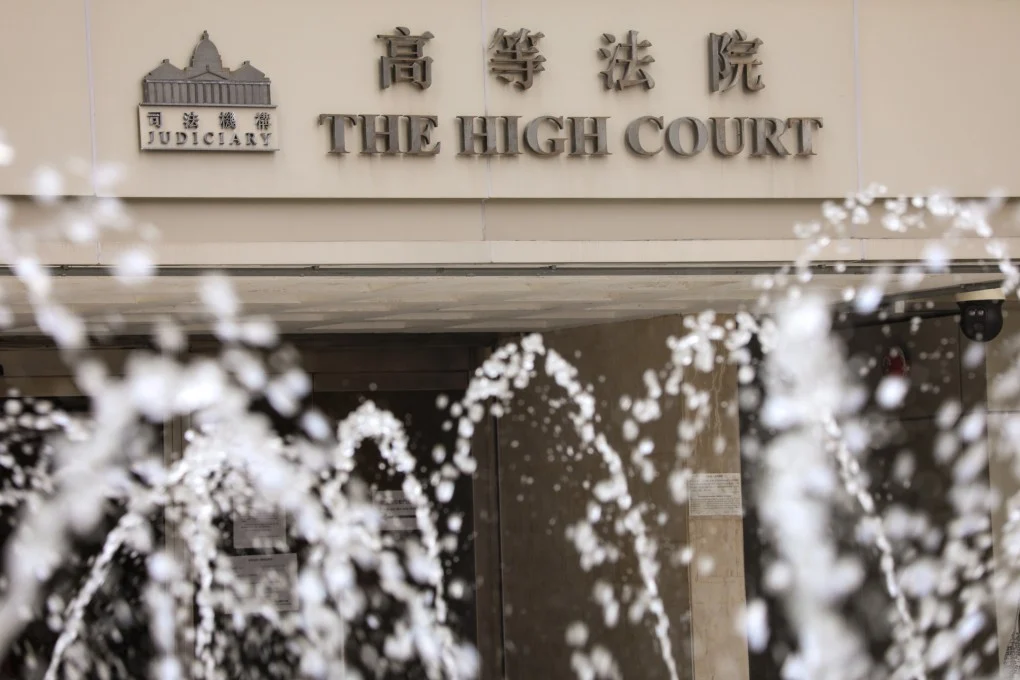
In a significant development, accountant Wang Pui-Shan has admitted to assisting a fraud ring in withdrawing HK$31 million (equivalent to $4 million USD) from a brokerage firm in Hong Kong five years ago. This confession occurred during her trial at the High Court, where she was convicted of ten charges related to money laundering.
The details of the case indicate that Wang authorized illegal transactions at the request of an individual impersonating an employee from the National Security Bureau of the Chinese government. She was compelled to comply with this individual's orders after being informed that she was under investigation.
Case Details and Developments
The events of this case date back to 2018 when the fraud ring managed to withdraw funds from the company through forged transactions. These operations were uncovered after local authorities began investigating suspicious financial activities. Wang's confession came after a period of psychological pressure due to potential threats from the fraud ring.
The High Court of Hong Kong issued its ruling on Wednesday, convicting Wang of money laundering charges, reflecting the increasing efforts to combat corruption and financial crimes in the region. This ruling comes at a sensitive time for Hong Kong, as the government seeks to enhance financial security in the city.
Background & Context
Historically, Hong Kong has witnessed numerous financial fraud cases, particularly amid the rising economic and financial activities. The city is a global financial hub, making it a target for gangs seeking to exploit the financial system. In recent years, the government has strengthened laws related to financial crimes, yet significant challenges remain in addressing these activities.
Hong Kong has also been affected by political and social tensions, complicating the security landscape. This case reflects how political pressures can influence individuals, driving them to engage in illegal activities.
Impact & Consequences
This case serves as a wake-up call for authorities in Hong Kong regarding the need to enhance oversight of financial activities. The increase in fraud cases could damage the city's reputation as a safe financial center. Additionally, this incident may lead to increased scrutiny of companies' financial operations, potentially impacting the overall business environment.
On the other hand, this case could foster greater cooperation between local and international authorities to combat financial crimes. Gangs operating across borders require a coordinated response from governments to ensure they do not evade justice.
Regional Significance
The implications of this case extend beyond individual accountability, highlighting the systemic vulnerabilities within Hong Kong's financial framework. As the city grapples with the dual challenges of financial integrity and political stability, the outcomes of such cases will be crucial in shaping future policies.
Ultimately, the resolution of this case may influence public trust in financial institutions and the government's ability to safeguard economic security, making it a pivotal moment in Hong Kong's ongoing struggle against financial crime.