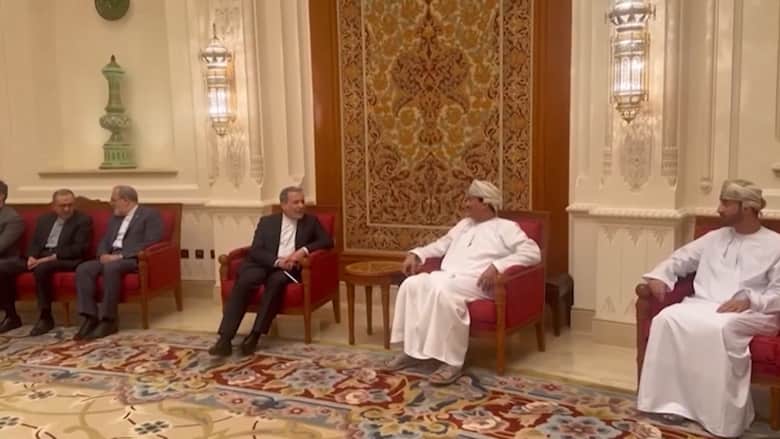
US Secretary of War, Pete Hegseth, announced that the ongoing talks with Iran are "gaining momentum," emphasizing that the United States is seeking a comprehensive agreement. Hegseth clarified that President Donald Trump is "ready to make a deal," reflecting the US administration's desire to make progress in relations with Tehran.
These statements come at a sensitive time, as Iran continues to develop its nuclear program, increasing tensions in the region. Hegseth noted that the United States would not hesitate to use force if an agreement that safeguards its interests and the security of its allies in the Middle East is not reached.
Details of the Ongoing Talks
These remarks coincide with a new round of talks between major powers and Iran, as the international community seeks to revive the nuclear agreement signed in 2015. While some progress has been made in these negotiations, obstacles remain, particularly regarding the lifting of economic sanctions imposed on Tehran.
Hegseth, a prominent figure in the US administration, confirmed that the United States is closely monitoring Iranian activities, indicating that any escalation from Iran could provoke a strong response from Washington. He also pointed out that Trump prefers diplomatic solutions but is prepared to take military action if necessary.
Historical Context
Historically, relations between the United States and Iran have been tense since the Islamic Revolution in 1979. This relationship has witnessed numerous crises, including the hostage-taking of American citizens in Tehran, Iran's nuclear program, and its support for armed groups in the region.
In 2015, Iran reached a nuclear agreement with the 5+1 group (the United States, the United Kingdom, France, Russia, China, and Germany) aimed at reducing Iranian nuclear activities in exchange for easing sanctions. However, following the US withdrawal from the agreement in 2018, tensions resurfaced, leading to escalating crises in the region.
Potential Impact and Consequences
If the current talks succeed, it could lead to a de-escalation of tensions in the Middle East and improved relations between Iran and the West. However, failure to reach an agreement could result in military escalation, increasing risks to regional security.
Moreover, any military escalation could affect global oil prices, as Iran is one of the largest oil producers in the world. Consequently, any threats from the United States could lead to increased volatility in financial markets.
Significance for the Arab Region
Neighboring Arab countries, such as Saudi Arabia and the United Arab Emirates, are among the most affected by the tensions between the United States and Iran. These countries fear that any military escalation could destabilize the region, impacting their security and economies.
There are also concerns that any potential agreements could enhance Iran's influence in the region, further escalating tensions between Tehran and Arab states. Therefore, closely monitoring these talks is essential for understanding the future of relations in the region.