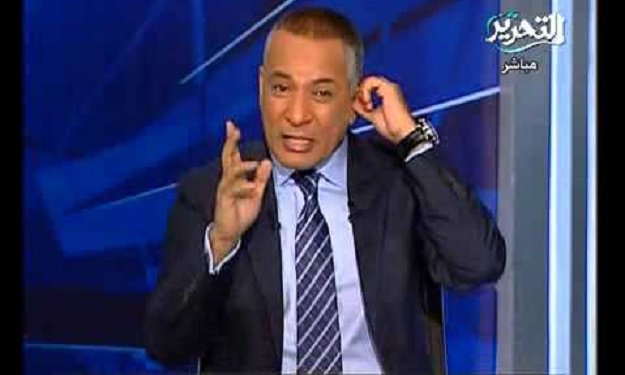
In a provocative statement, Egyptian journalist Ahmed Moussa asserted that he does not care about the insults he receives, highlighting that his focus is on the interests of his country and the Egyptian citizen. This was mentioned during an episode of his television program, where he noted that criticisms do not affect him.
Moussa, who is considered one of the most prominent journalists in Egypt, clarified that he concentrates on national issues and the problems facing citizens, and he always strives to shed light on what matters to the Egyptian people.
Details of the Event
During the program, Moussa stated: "Those who insult me can continue; it does not matter to me, except when it concerns my country and the great citizen." These remarks came in the context of his discussion about the criticisms he faces from some individuals on social media.
He also pointed out that he receives many positive messages from citizens, which strengthens his determination to continue providing content that is relevant to the Egyptian street.
Background & Context
The media landscape in Egypt, particularly talk shows, serves as a platform for expressing diverse opinions, where journalists face numerous criticisms from the public. Ahmed Moussa is one of those journalists who encounter significant challenges in delivering content that aligns with the aspirations of the people.
Historically, Egypt has witnessed many political and social crises, which have made media play an essential role in shaping public opinion. Moussa, who began his media career years ago, has managed to gain widespread fame thanks to his direct style and bold approach to issues.
Impact & Consequences
Moussa's statements may influence how the public perceives the media, reflecting a state of polarization between journalists and the audience. In the current circumstances, media needs to engage positively with citizens, which could help enhance trust between both parties.
Additionally, these statements may open the door for broader discussions about freedom of expression and the role of media in Egyptian society, especially in light of the political and economic challenges facing the country.
Regional Significance
The experience of Egyptian media serves as a model for many Arab countries, where journalists face similar challenges. Moussa's remarks could inspire other journalists in the region to express their opinions freely, despite the pressures they may encounter.
In a broader context, this situation reflects the ongoing struggle between freedom of expression and censorship, a recurring theme in many Arab countries, necessitating further discussion on journalists' rights.
In conclusion, Ahmed Moussa's statements stand as a testament to the power of media in influencing public opinion and the necessity for an open dialogue between the media and the public, serving the interests of the nation and its citizens.