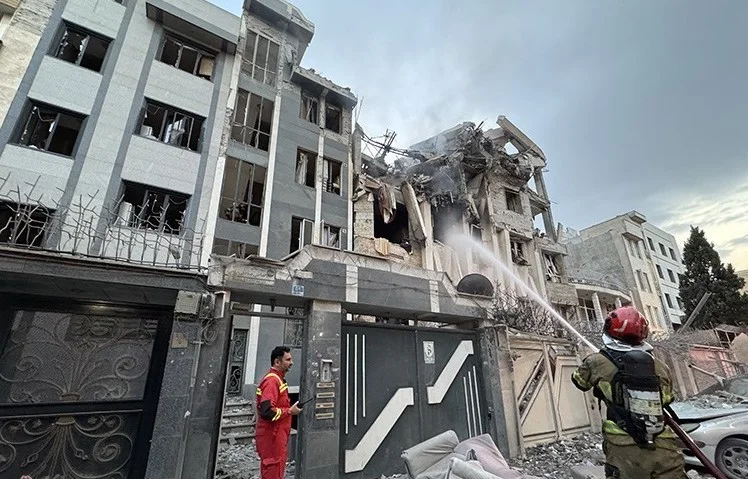
Early this morning, airstrikes targeted the Iranian capital, Tehran, affecting Sharif University of Technology. Local media reported damage to buildings within the university campus, along with harm to a nearby natural gas distribution site. So far, it remains unclear what exactly was targeted within the university grounds, which were empty of students due to current security conditions.
These strikes come at a sensitive time as Iran faces increasing tensions due to political and economic crises. This incident has raised widespread concern among academic circles and civil society, as Sharif University is considered one of the leading educational institutions in the country.
Details of the Incident
According to reports, the airstrikes occurred in the early morning hours, resulting in damage to several buildings on campus. Visible damage was noted in some facilities, but no injuries were reported, as there were no students present at the time. Damage was also reported at the nearby natural gas distribution site, raising concerns about the safety of vital infrastructure in the area.
The Iranian authorities are seeking to assess the damage and identify those responsible for these attacks. Images circulated on social media showed the extent of the destruction, highlighting the escalating tensions in the capital.
Background & Context
Sharif University of Technology is one of the premier educational institutions in Iran, having produced many scientists and engineers who have contributed to the country's development. As political tensions in the region escalate, educational institutions have become potential targets for attacks, raising concerns about the future of higher education in the country.
Historically, Iran has experienced numerous political crises that have led to escalations in violence, with universities often at the heart of protests and confrontations. These airstrikes may reflect a new escalation in the ongoing conflict, raising questions about the potential impact on internal stability.
Impact & Consequences
These strikes could escalate tensions between Iran and other countries, especially given the volatile situation in the region. Targeting universities may negatively affect Iran's academic reputation, potentially impacting international cooperation in research and education.
Furthermore, this incident may increase pressure on the Iranian government, as it will face criticism from the international community regarding safety in educational institutions. The psychological impact on students and faculty members could be significant, potentially affecting the overall educational process.
Regional Significance
This incident serves as a wake-up call for neighboring Arab countries, indicating that security conditions could deteriorate rapidly. Amid the multiple crises facing the region, such events may heighten regional tensions, prompting Arab nations to take precautionary measures to protect their educational institutions.
Additionally, these strikes may affect relations between Iran and Arab countries, as neighboring states will closely monitor developments in Tehran, which could influence their security and political strategies.
In conclusion, the situation in Iran remains tense, and this incident warrants significant international attention, as its repercussions may extend beyond Iranian borders.