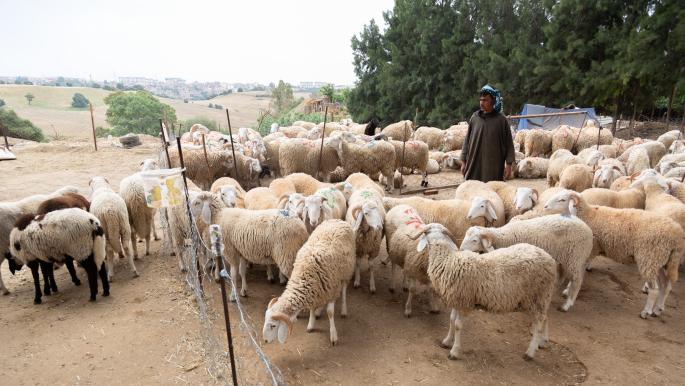
The Algerian Ministry of Agriculture has announced the arrival of the first shipment of sacrificial animals, as part of the national campaign to import one million sheep in preparation for the blessed Eid al-Adha. The ministry has set the price for each sacrifice at $330, reflecting the efforts made to meet the needs of citizens during this significant religious occasion.
This step comes at a time when Algeria is witnessing a rise in meat prices, prompting the government to take proactive measures to ensure that sacrificial animals are available at reasonable prices. The ministry confirmed that upcoming shipments will help meet the increasing demand for sacrificial animals during the holiday period, as purchasing a sacrifice is a deeply rooted tradition in Algerian society.
Details of the Event
The importation of sacrificial animals was carried out in collaboration with several countries, with careful selection of the sheep to ensure their quality and safety. Officials indicated that shipments will continue to arrive as Eid al-Adha approaches, ensuring that sufficient quantities of sacrificial animals are available in the markets.
A distribution plan has also been established to allocate the sacrificial animals to various regions across the country, focusing on rural and remote areas that may suffer from a shortage of available animals. This initiative is expected to alleviate the financial burdens on Algerian families, especially given the current economic conditions.
Background & Context
The sacrificial animal is one of the fundamental rituals of Eid al-Adha, where Muslims sacrifice animals as a means of drawing closer to God and distributing the meat to the poor and needy. With the increasing population in Algeria, it has become essential for the government to take effective steps to ensure the availability of sacrificial animals at suitable prices.
In recent years, Algeria has experienced a noticeable rise in meat prices, leading to increased pressure on low-income families. The government has attempted to address this issue by importing sacrificial animals, reflecting its commitment to meeting the needs of its citizens.
Impact & Consequences
This initiative is expected to have a positive impact on the local market, as it will help stabilize meat prices and meet the growing demand. Additionally, the availability of sacrificial animals at reasonable prices may enhance social bonds among families, as the meat from the sacrifices is distributed to the poor and needy.
Furthermore, the importation of sacrificial animals reflects the government's ability to confront economic challenges and boosts citizens' confidence in its capacity to meet their basic needs. As Eid al-Adha approaches, many look forward to this initiative as an opportunity to celebrate the holiday in accordance with their traditions.
Regional Significance
Algeria is one of the Arab countries facing increasing economic challenges; however, the importation of sacrificial animals could serve as a model for other nations struggling with meat shortages. This initiative may inspire other Arab governments to take similar actions to ensure the availability of sacrificial animals at reasonable prices.
Moreover, enhancing cooperation among Arab countries in the field of importing sacrificial animals could contribute to improving food security in the region, highlighting the importance of collective action in addressing shared challenges.
In conclusion, the arrival of the first shipments of sacrificial animals to Algeria represents a positive step towards meeting the needs of citizens during Eid al-Adha, reflecting the government's commitment to providing sacrificial animals at affordable prices. As shipments continue to arrive, citizens look forward to celebrating Eid al-Adha in line with their traditions.