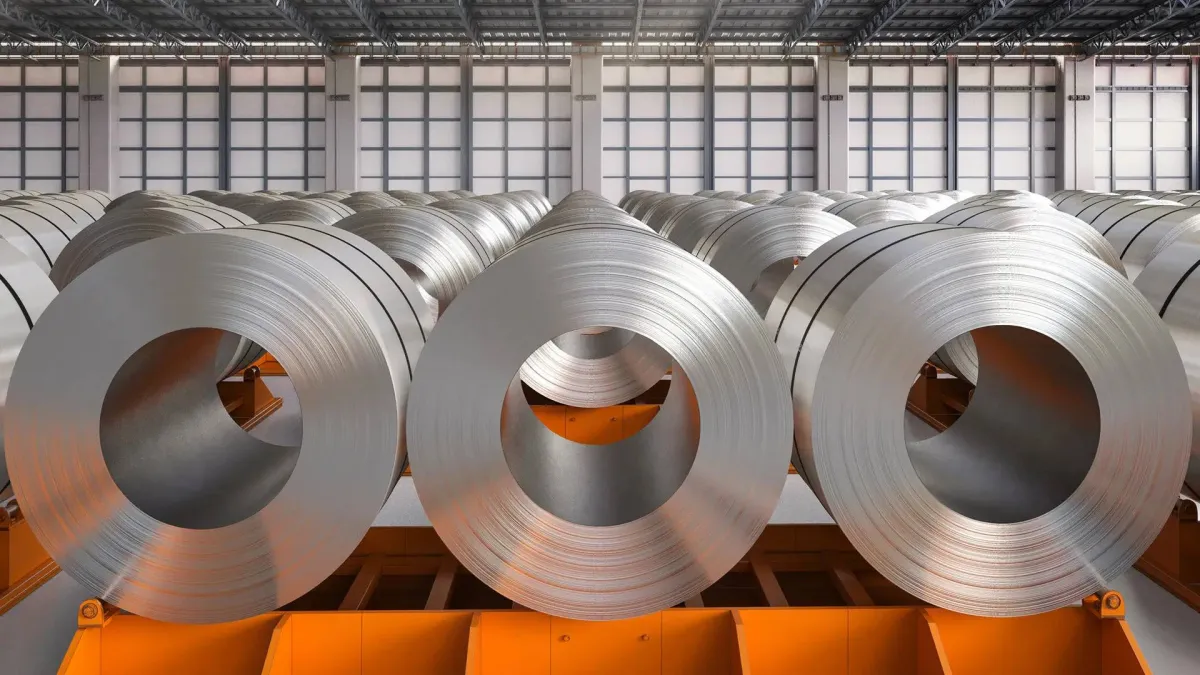
Aluminum prices have risen by 6% in global markets after Iran targeted two key production sites in the Middle East, threatening to deepen the supply crisis in this vital production region. This military escalation places the already fragile metals market in front of a historic shock that could push prices toward unprecedented record levels.
Confirmations from major suppliers in the region, such as Emirates Global Aluminium and Aluminium Bahrain (Alba), reported significant damage to their facilities due to the Iranian strikes. The Emirati company reported severe damage at its site in Abu Dhabi, while Alba has begun assessing the extent of the destruction at its facilities.
Details of the Incident
On the first day of trading, futures contracts on the London Metal Exchange recorded the highest jump since 2024, rising by 6% to reach $3,492 per ton in early trading. This increase comes amid warnings that prices could surpass the record set in 2022, which was $4,073.50.
The targeting of these facilities represents a major shock, as the two affected plants together produce about 3.2 million tons annually, while the Gulf Cooperation Council countries collectively produce more than 6 million tons, equivalent to about 9% of global production.
Background & Context
Aluminum is considered the most used metal after steel, and entering a sustained price increase will place immense pressure on vital sectors such as the aerospace industry, food canning, and solar panels. Experts warn that a severe shortage of specialized products may force some global factories to temporarily shut down due to depleted supplies.
These disruptions come at a time when global inventories are at historically low levels, leaving little margin to cope with shocks. Even before the direct targeting, the closure of the Strait of Hormuz had led to a severe shortage of raw materials needed for the giant smelters in the region.
Impact & Consequences
Analysts at Goldman Sachs confirm that a deficit of 900,000 tons could emerge during the second quarter, leaving the global market covering only 45 days of consumption, a level lower than that seen during the energy crisis in 2022. Additionally, global government bond prices have fallen close to recording their largest monthly losses in over a year, as investor concerns about the ongoing conflict in the Middle East grow.
Fears are mounting that continued increases in aluminum prices could lead to rising production costs in many industries, negatively impacting the global economy. At the same time, oil prices remain stable above $100 per barrel, adding to the pressures on financial markets.
Regional Significance
This escalation in aluminum prices serves as a wake-up call for many Arab countries that rely on this metal in their industries. Under current conditions, these countries may face significant challenges in securing the necessary supplies, which could affect economic growth.
In conclusion, it appears that the situation in the Middle East will remain tense, increasing uncertainty in global markets. Arab countries must take proactive measures to address these challenges and ensure the stability of their markets.