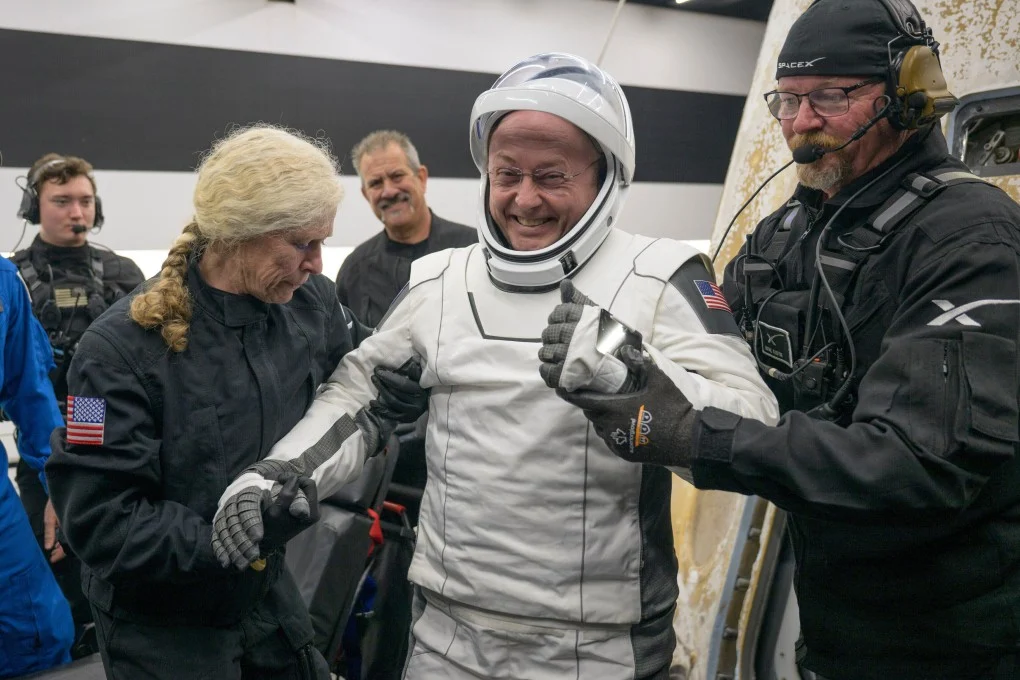
American astronaut Mike Fincke revealed details of a sudden illness that led to his medical evacuation from the International Space Station earlier this year. Fincke, who has completed four space missions, explained that he was having dinner on January 7 after preparing for a spacewalk mission the following day when he experienced a sudden health issue.
During those critical moments, Fincke was unable to speak and did not feel any pain, but his crew members, who noticed his alarming condition, quickly intervened and requested assistance from ground doctors. This incident marked the first of its kind in the history of NASA, as a medical evacuation of an astronaut in space was executed.
Details of the Incident
In a statement on Friday, Fincke indicated that doctors have yet to determine the cause of his sudden illness. This has raised significant concern within the scientific community, as the health of astronauts is crucial during long missions in space. He added that the crew was in a state of panic after seeing him in distress, prompting them to take swift action to ensure his safety.
The International Space Station presents a complex environment where astronauts are exposed to abnormal conditions, such as microgravity, which can affect their health in unpredictable ways. Fincke noted that the incident was a terrifying experience, but he is grateful for the quick response of his colleagues.
Background & Context
Historically, there have been rare instances of illnesses affecting astronauts, but no reports of medical evacuations like this one. In previous years, NASA had prepared emergency plans to deal with such cases, but implementing them in space posed a significant challenge. This incident reflects the risks astronauts face during their missions and underscores the importance of ongoing research into the effects of space on human health.
It is worth noting that Fincke is not the first astronaut to encounter health issues in space; previous missions have seen similar cases, but none reached the point of medical evacuation. This incident may pave the way for further research into astronaut health and how to manage emergencies in space.
Impact & Consequences
This incident serves as a wake-up call for NASA and other space organizations around the world. There needs to be more effective strategies for handling medical emergencies in space, especially with the increasing number of long-duration space missions. Additionally, this incident may impact future mission plans, as space agencies must reassess the health risks astronauts may face.
Furthermore, this incident could influence public perception of space travel, as people may become concerned about the health risks astronauts might encounter. It is crucial for space agencies to provide accurate and transparent information regarding the risks and measures taken to ensure astronaut safety.
Regional Significance
As many Arab countries are moving towards developing their own space programs, these nations should take into account the lessons learned from Fincke's incident. Preparedness for medical emergencies in space must be part of their future plans. Collaborating with global space agencies like NASA can enhance their capabilities in this field.
In conclusion, the incident involving astronaut Mike Fincke highlights the importance of ongoing research into the effects of space on human health and sheds light on the risks astronauts may face. Developing effective strategies for managing medical emergencies will be vital to ensuring astronaut safety in the future.