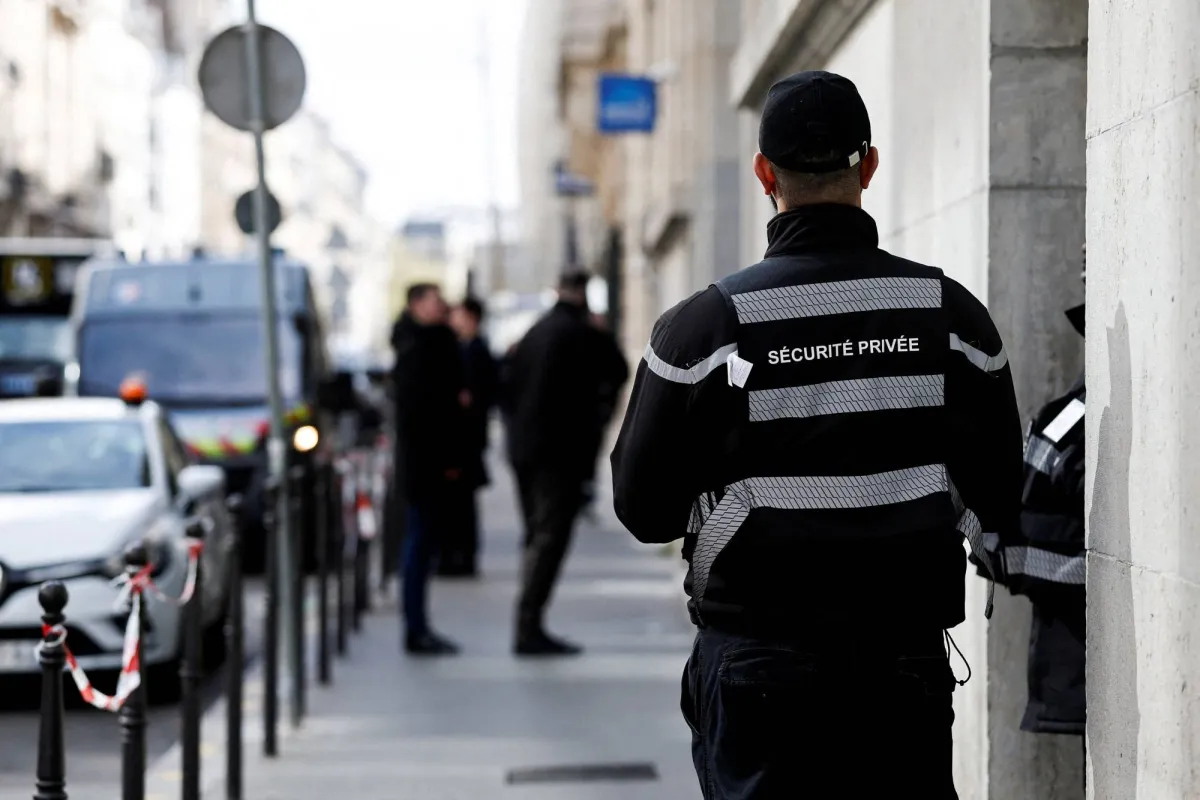
Citigroup and Goldman Sachs have bolstered security measures in the French capital, Paris, and requested their employees to work from home after thwarting an attack targeting an American financial institution over the past weekend. French judicial authorities reported that this attack is connected to a group aligned with Iran.
A source from the French police confirmed that Goldman Sachs in London received a warning via email from U.S. authorities, indicating that a group loyal to Iran had threatened to attack American banks using explosives. In this context, a spokesperson for Citigroup stated that the safety of their employees is the top priority, and they are taking necessary measures to ensure their security.
Details of the Incident
As part of the enhanced security measures, the French police have deployed patrols in front of Goldman Sachs' offices in the sixteenth arrondissement of Paris, near the Champs-Élysées. The French government estimates that the country itself is not targeted, but American and Israeli interests may be at risk, given the ongoing ramifications of the war in the Middle East for over a month.
In a related development, French authorities have charged four individuals, including a young man and three minors, and placed them in custody on suspicion of involvement in planting an explosive device outside the Bank of America branch in Paris just before dawn last Saturday. French prosecutors specializing in counter-terrorism suggest that the attempted bombing may be linked to the Iran-aligned Islamic Right Movement, although this connection remains unconfirmed.
Background & Context
The war in the Middle East has continued since the U.S.-Israeli attacks on Iran on February 28, which ignited a regional conflict and impacted the global economy. These events have led to heightened security tensions, prompting many financial institutions to take precautionary measures to protect their employees and interests.
Additionally, these events come at a time when 40 countries, along with international organizations, emphasize the need to reopen the Strait of Hormuz, one of the world's most crucial maritime passages, through which about one-fifth of the world's oil passes. These nations have warned that closing the strait by Iran poses a direct threat to global prosperity.
Impact & Consequences
Concerns are growing that security threats could negatively impact global financial markets, as any attack on American interests may provoke strong reactions from the U.S. government, potentially escalating tensions in the region. Furthermore, these events could affect shipping and international trade, complicating the global economic situation.
Simultaneously, the heightened security in Paris may adversely affect France's image as a global financial center, as companies may hesitate to invest or expand their operations in the country under these tense security conditions.
Regional Significance
These events signal a rise in tensions in the region, with Arab countries being directly affected by any escalation in the Iranian-American conflict. There are increasing fears that these tensions could destabilize the Gulf Arab states, which heavily rely on the stability of shipping through the Strait of Hormuz.
In conclusion, recent events reflect the complexity of the security situation in the region and highlight the need for joint international efforts to ensure security and stability, avoiding any escalation that could impact global economic interests.