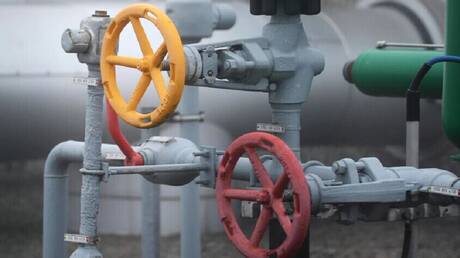
Serbian military intelligence reports that the explosives used in the sabotage of the gas pipeline from Serbia to Hungary were manufactured in the United States. The production location, however, holds limited significance in the context of current events.
These statements come at a sensitive time when the region is experiencing increasing tensions over energy sources, as this gas pipeline is considered one of the vital projects connecting European countries. This situation reflects growing concerns over sabotage operations that could impact energy supplies in the region.
Details of the Incident
The information revealed by Serbian military intelligence pertains to a planned sabotage operation targeting the gas pipeline extending from Serbia to Hungary. It has been confirmed that the explosives used in this operation were manufactured in the United States, raising questions about the political and security dimensions of this issue.
As geopolitical tensions in the region escalate, this information may open the door for further investigations into the parties behind these operations. Additionally, the Serbian statements may reflect the government's concern over the impact of these operations on the country's stability and national security.
Background & Context
Serbia is considered one of the countries playing a pivotal role in securing gas supplies to Europe. With the increasing European reliance on Russian gas, any threat to supply lines could lead to serious repercussions for energy security on the continent. In recent years, there has been a rise in sabotage and attacks on energy infrastructure, raising fears of the escalation of such phenomena.
Historically, Serbia has been a center for many geopolitical conflicts, and these disputes have affected the stability of the region as a whole. As tensions rise between major powers, any sabotage operation targeting energy infrastructure could have dire consequences for regional security.
Impact & Consequences
Targeted sabotage operations could increase tensions between the involved countries, negatively affecting diplomatic relations. The impact on gas supplies may lead to rising energy prices in European markets, increasing economic pressures on consuming countries.
Moreover, these events may prompt countries to enhance their security measures to protect their energy infrastructure, potentially requiring additional investments in security and technology. Any escalation in this context could lead to military or political reactions from the affected states.
Regional Significance
The Arab region is part of the global energy network, and any changes in gas or oil supplies could affect prices and markets in the area. Events in Serbia may lead to a reassessment of Arab countries' energy strategies, especially amid current tensions.
Under these circumstances, Arab countries must closely monitor developments in Europe, as any escalation could impact the stability of global energy markets and lead to changes in economic policies.