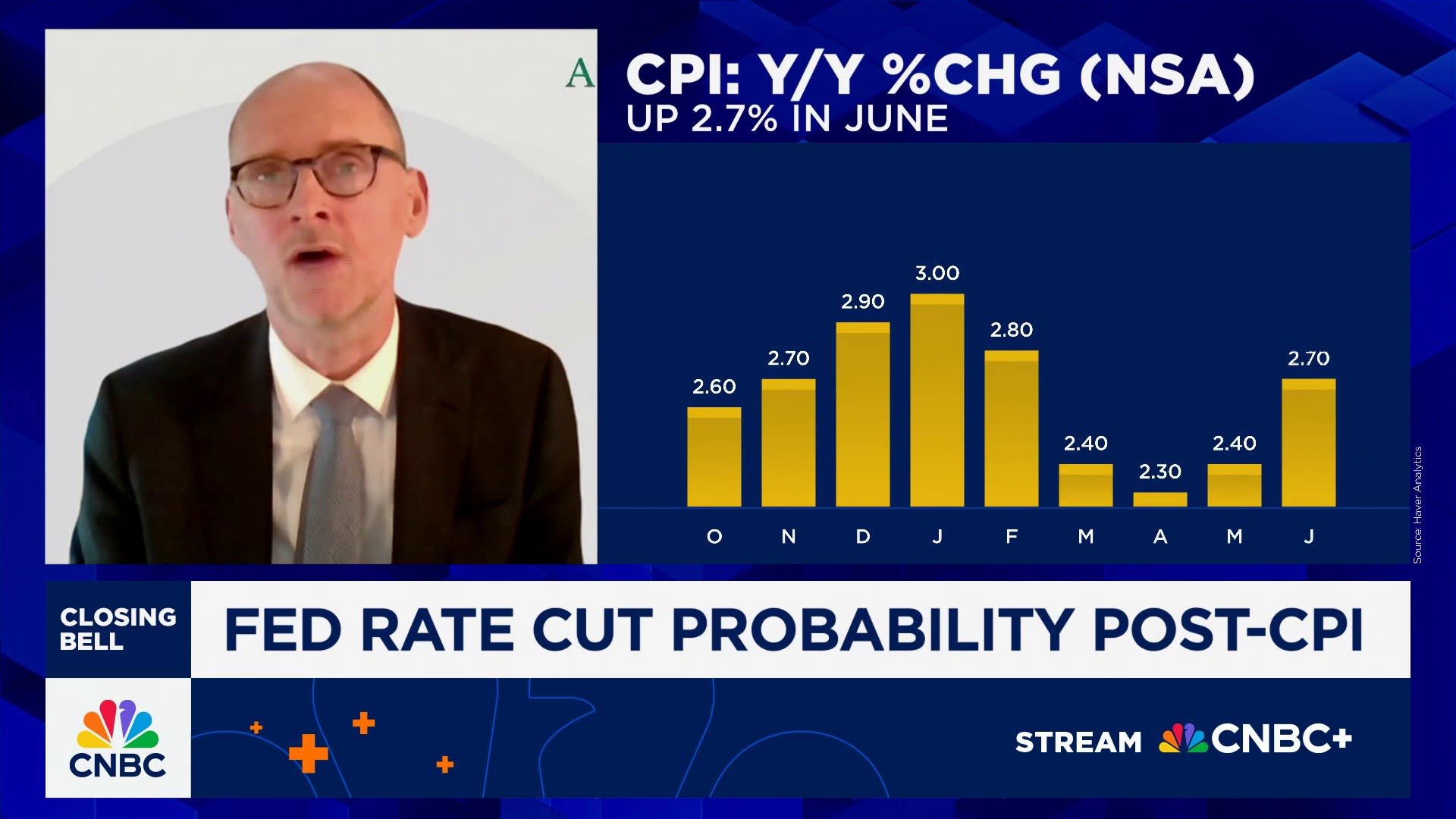
In an interview with Michael McKee on the "Bloomberg Real Yield" program, Thorsten Slok, Chief Economist at Apollo, confirmed expectations of short-term disruptions in the bond market. At the same time, he pointed out that there is long-term stability in the Middle East, which could contribute to maintaining low oil prices.
These statements come at a time when the world is experiencing increasing economic fluctuations, with financial markets affected by various factors, including global monetary policies and geopolitical tensions.
Details of the Event
Slok explained that the anticipated fluctuations in the bond market could result from several factors, including changes in interest rates and global economic trends. However, the long-standing stability in the Middle East may help mitigate the impact of these fluctuations on oil prices.
He noted that security and political stability in the region could enhance confidence in the markets, potentially leading to long-term price stability. This stability may be attributed to several factors, including regional cooperation and international agreements.
Background & Context
Historically, the Middle East has witnessed significant fluctuations due to conflicts and disputes. However, recent years have seen notable improvements in some areas, contributing to enhanced stability. For instance, peace agreements reached between certain Arab countries and Israel may have positive effects on regional stability.
Additionally, foreign investments in the region have increased, reflecting confidence in local markets. This stability could have positive impacts on oil prices, as lower prices can adversely affect the economies of oil-producing countries.
Impact & Consequences
Fluctuations in the bond market are expected to affect various economic sectors, including the financial and real estate sectors. If these fluctuations continue, they may lead to increased borrowing costs, impacting businesses and investors.
However, stability in the Middle East may help reduce these impacts. If oil prices continue to decline, it could enhance the competitiveness of many oil-importing countries, potentially boosting economic growth in those nations.
Regional Significance
For Arab countries, stability in the Middle East can have positive effects on their economies. If oil prices continue to decline, it may lead to increased foreign investments and improved economic conditions.
Moreover, stability in the region can foster regional cooperation, which may lead to improved relations among Arab countries. This cooperation could have positive effects on security and stability in the region.
In conclusion, the expectations of short-term fluctuations in the bond market, alongside long-term stability in the Middle East, may contribute to shaping the global economic landscape. It is important to monitor developments in this context, as the impacts could be far-reaching.