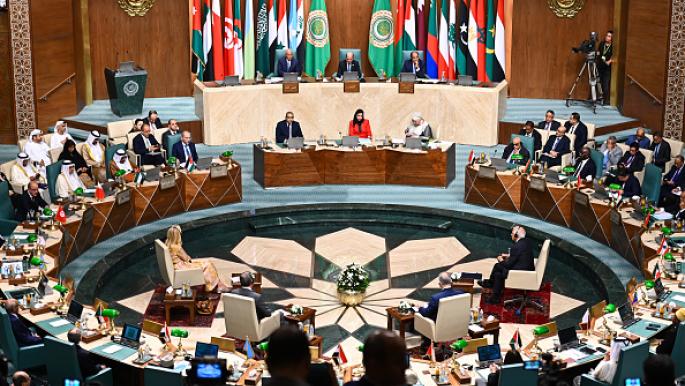
The Arab League has called on Iran to immediately adhere to Security Council Resolution 2817, which demands an end to all forms of aggression against Arab states. This call was made during a ministerial meeting held on Sunday, where Arab ministers emphasized the necessity of respecting the national sovereignty of Arab countries and refraining from interfering in their internal affairs.
This resolution comes at a time when the region is experiencing increasing tensions, as Arab countries accuse Iran of supporting armed groups and militias that destabilize several nations, including Iraq, Syria, and Lebanon. Arab states have expressed their concern over Iranian activities that they consider a direct threat to their national security.
Details of the Meeting
During the meeting, the importance of Iran fulfilling its international obligations was underscored, with ministers noting that non-compliance with these obligations could escalate the situation in the region. Other topics related to Arab cooperation in facing common challenges were also discussed, including food security and counter-terrorism.
Additionally, discussions were held on ways to enhance relations between Arab countries and Iran, with some ministers advocating for dialogue as a means to resolve disputes. However, others expressed reservations, stressing the need for Iran to take tangible steps to halt its interventions in Arab affairs.
Background & Context
Historically, relations between Arab countries and Iran have been tense, attributed to several factors, including sectarian and political differences. Since the Islamic Revolution in Iran in 1979, the region has witnessed a rise in sectarian conflicts, exacerbating tensions between the two sides.
In recent years, accusations against Iran of supporting groups such as Hezbollah in Lebanon and the Houthis in Yemen have intensified, raising alarm among Arab nations. The Arab League has repeatedly attempted to mediate in these crises, but to no avail.
Impact & Consequences
If Iran continues to ignore the demands of Arab countries, it may lead to a worsening of the security situation in the region. Arab states might take stricter measures, including imposing sanctions or enhancing military cooperation among themselves.
Moreover, instability in the region could impact the global economy, particularly in the energy sector, as Gulf Arab states are among the largest oil producers in the world. Any military escalation could threaten oil supplies and lead to price increases.
Regional Significance
This call from the Arab League is a significant step in an attempt to unify the Arab front in facing challenges. If Iran responds to these demands, it could open doors for constructive dialogue that may contribute to achieving stability in the region.
Conversely, if Iran continues its current policies, it could lead to dire consequences for Arab-Iranian relations, increasing divisions and reinforcing instability.
In conclusion, the Arab region remains in urgent need of effective strategies to address security and political challenges, and adherence to Security Council resolutions is a fundamental part of these strategies.