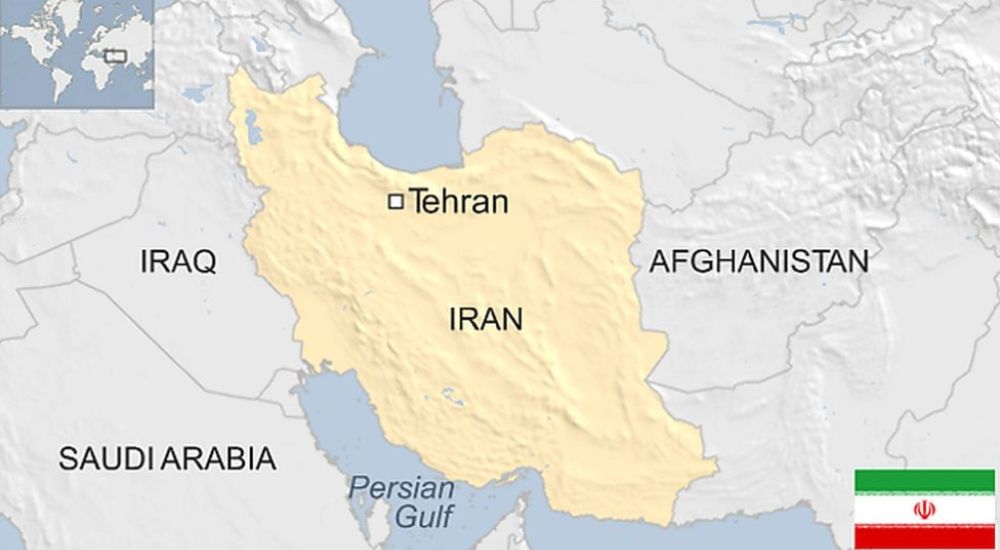
Arab nations are facing significant challenges amid increasing pressures from the United States and Israel to engage in military confrontation with Iran. These pressures come at a time when the region is suffering from multiple crises, complicating the situation and placing Arab countries in a position of difficult choices.
The United States is seeking to form new alliances in the region to counter Iran's growing influence, while Israel promotes the idea of the necessity to confront the threats posed by Iran to its national security. However, many Arab nations are concerned about being dragged into a conflict that could have dire consequences for them.
Details of the Situation
Recently, the relationship between the United States and Israel has seen notable developments, as both countries work to enhance military and intelligence cooperation. This has manifested in joint military exercises and the sharing of information regarding Iranian activities in the region. These moves aim to demonstrate the strength of the alliance between Washington and Tel Aviv at a time when tensions with Tehran are escalating.
On the other hand, Arab nations, especially those close to Iran, are increasingly worried that any military escalation could destabilize the region. Previous wars in Iraq, Syria, and Libya are still fresh in their minds, having led to state disintegration and increased chaos.
Background & Context
Historically, relations between Arab nations and Iran have been tense, particularly following the 1979 Iranian Revolution. This revolution shifted the balance of power in the region, with Iran playing a larger role in supporting armed groups in Iraq, Syria, and Lebanon.
In recent years, tensions have notably escalated, especially after the United States withdrew from the Iranian nuclear deal in 2018. This withdrawal reignited fears regarding Iran's nuclear program, prompting Arab nations to seek greater American support to counter this threat.
Impact & Consequences
If US and Israeli pressures on Arab nations to engage in confrontation with Iran continue, this could lead to serious military escalation. Such escalation could negatively impact Arab economies, which are already suffering from multiple crises, such as rising oil prices and unemployment.
Moreover, any military confrontation could result in a refugee influx and the spread of chaos in the region, increasing the burdens on neighboring countries. Additionally, any escalation could adversely affect Arab-Arab relations, as countries may divide between supporters and opponents of confronting Iran.
Regional Significance
The Arab region is in a sensitive position, where regional and international interests intersect in complex ways. Any escalation in confrontation with Iran could lead to a reshaping of alliances in the region, creating an unstable environment.
Ultimately, Arab nations must make difficult decisions amid these pressures. Maintaining regional stability requires a delicate balance between confronting threats and managing internal crises.