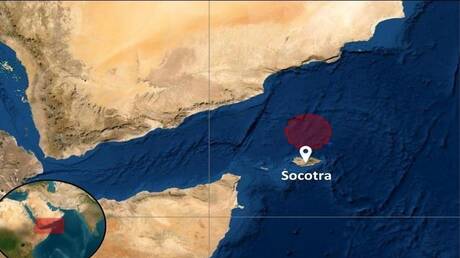
A new security incident occurred in the Gulf of Aden when an unidentified vessel carrying armed men approached an oil tanker off Socotra, prompting warning shots that forced the vessel to retreat.
This incident is part of a series of security tensions in the region, raising concerns about piracy and maritime threats in international waters. The event has alarmed local and international authorities regarding the safety of navigation in this vital area.
Details of the Incident
According to local sources, the vessel carrying the armed men approached the tanker in a concerning manner, necessitating a swift response from the tanker’s crew. The warning shots fired were intended to send a clear message to the attackers that any attempt to assault would be met with a firm reaction.
The identities of the armed men and their affiliations have not been disclosed, but the incident raises questions about security in the Gulf of Aden, which is considered one of the most important maritime corridors in the world.
Background & Context
Historically, the Gulf of Aden has witnessed numerous piracy incidents, particularly over the past decade. These events have led to an increased international military presence in the region, as nations seek to protect their commercial vessels from potential threats.
These events overlap with the ongoing conflicts in Yemen, where political and security chaos contributes to increased illegal activities in territorial waters. The situation in Socotra, regarded as a strategic point, adds further complexity to the security landscape.
Impact & Consequences
This incident could escalate tensions in the region, potentially affecting maritime traffic. The recurrence of such incidents may prompt countries to adopt stricter measures to protect their commercial interests.
Moreover, the rise in armed activities in the Gulf of Aden could negatively impact the local economy, as many residents rely on maritime trade as a primary source of income.
Regional Significance
This incident serves as an indicator of the security challenges faced by Arab nations in the Gulf region. The stability of maritime navigation is vital not only for Yemen but for many countries that depend on these routes for their exports and imports.
Ultimately, the current situation requires greater international coordination to address security threats in the Gulf of Aden, ensuring the safety of navigation and protecting the economic interests of the involved nations.