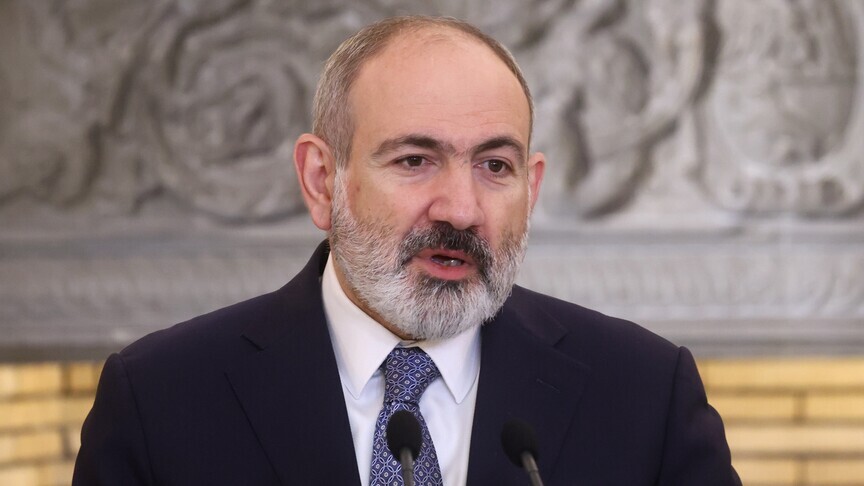
In recent statements, Armenian Prime Minister Nikol Pashinyan affirmed that his country is not participating in any anti-Russia activities, highlighting the presence of various individuals seeking to create a crisis in relations between the two countries. These remarks come at a sensitive time when Armenian-Russian relations are experiencing heightened tensions.
Pashinyan, who has been in office since 2018, noted that there are both internal and external forces trying to exploit the current situation for their own interests. He emphasized that Armenia aims to maintain good relations with Russia, which it considers a strategic ally, despite the challenges it faces.
Details of the Situation
Concerns are growing over escalating tensions between Armenia and Russia, particularly following recent events in the Caucasus region. Relations between the two countries have notably deteriorated after the recent conflict over Nagorno-Karabakh, which led to Russia intervening as a mediator. Nevertheless, Pashinyan insists that Armenia is not in an adversarial position towards Russia, and any actions that may be perceived as anti-Russian are merely a result of misunderstandings.
In this context, Pashinyan pointed out that Armenia needs to strengthen its sovereignty and independence, but without compromising its historical ties with Russia. He also added that his country seeks to build balanced relations with all nations, including Western countries.
Background & Context
Historically, Armenia has relied heavily on Russia in the fields of security and defense, with Russia being Armenia's main ally in facing regional challenges. However, recent events, including the conflict over Nagorno-Karabakh, have negatively impacted these relations. Many Armenians feel that Russia did not provide sufficient support during the conflict, leading to increased negative sentiments towards Moscow.
In recent years, Armenia has begun seeking new partnerships with Western countries, which has raised concerns in Russia. Moscow views any rapprochement between Armenia and the West as a potential threat to its interests in the region, further complicating relations between the two nations.
Impact & Consequences
The potential implications of Pashinyan's statements on Armenian-Russian relations are manifold. These remarks could lead to further tensions between the two countries, especially if the forces seeking to create a crisis continue to exploit the situation. Additionally, these statements may affect Russia's stance towards Armenia in the future, particularly given the security challenges facing the region.
On the other hand, Pashinyan's statements may bolster his domestic position as he seeks to gain the support of the Armenian people, who are concerned about the tensions with Russia. This dynamic could lead to changes in Armenia's domestic and foreign policies in the near future.
Regional Significance
The Armenian-Russian relations are part of a broader geopolitical landscape that includes many countries in the region. Any changes in these relations could impact stability in the Caucasus, which may have repercussions for Arab nations. Tensions in the Caucasus could lead to increased instability in surrounding areas, affecting Arab interests in energy and security.
Ultimately, Armenian-Russian relations remain under scrutiny, as both countries seek to achieve their own interests amid rising regional challenges. It is crucial to monitor the developments in these relations and their impact on the regional and international landscape.