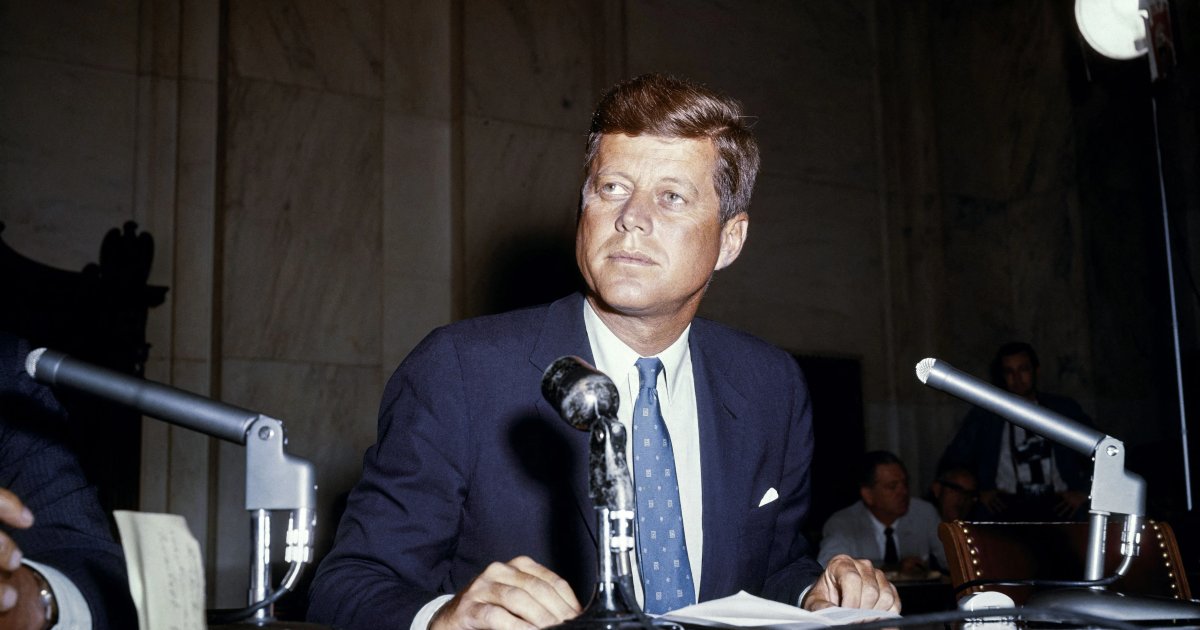
The history of assassination attempts on United States presidents spans centuries, starting with President Abraham Lincoln and reaching Donald Trump. These attempts reflect the political and social tensions experienced in the country.
Since the assassination of Lincoln in 1865, the United States has witnessed several attempts on the lives of its presidents. Some of these attempts were successful, while others failed, but all left profound impacts on American history.
Details of Notable Events
Among the most notable assassination attempts is the assassination of Lincoln by John Wilkes Booth, who shot him while he was attending Ford's Theatre. Following this, in 1881, President James Garfield was shot by Charles Guiteau, leading to his death months later. In the 20th century, there were other assassination attempts, such as the attempt on President Ronald Reagan in 1981, which resulted in serious injuries.
In recent years, during Donald Trump's presidency, there have been numerous threats, including thwarted assassination attempts. These events reflect the state of political division in the country, where tensions between various political factions have increased.
Background & Context
The history of assassination attempts on American presidents mirrors the political and social changes within the country. During periods of turmoil, such as the American Civil War, assassination attempts were more common. Additionally, global events, such as wars and revolutions, have significantly impacted the stability of the American presidency.
Moreover, modern media and technology have contributed to increased awareness of these attempts, making them a topic of public discussion. Popular culture, from films to books, has also played a role in shaping the perception of these events in people's minds.
Impact & Consequences
Assassination attempts have long-lasting effects on American politics. They lead to heightened security measures around presidents, affecting how they interact with the public. These attempts also reflect a state of political instability, which may result in a loss of trust in government institutions.
Furthermore, these events impact international relations, as they can be used as a tool to influence U.S. foreign policy. Each assassination attempt reflects internal tensions that may affect how the United States engages with other nations.
Regional Significance
The history of assassination attempts on American presidents has implications for the Arab region, as the United States plays a crucial role in regional politics. Political crises in the U.S. may influence its decisions regarding the Middle East, affecting stability in the region.
Additionally, the political division in the United States may reflect how it deals with issues such as the Israeli-Palestinian conflict or crises in Syria and Iraq. The greater the internal tensions, the higher the likelihood of decisions that could exacerbate conditions in the region.
In conclusion, the history of assassination attempts on American presidents is not merely a recounting of events but a mirror reflecting the political and social challenges faced by the United States and their effects on the world at large.