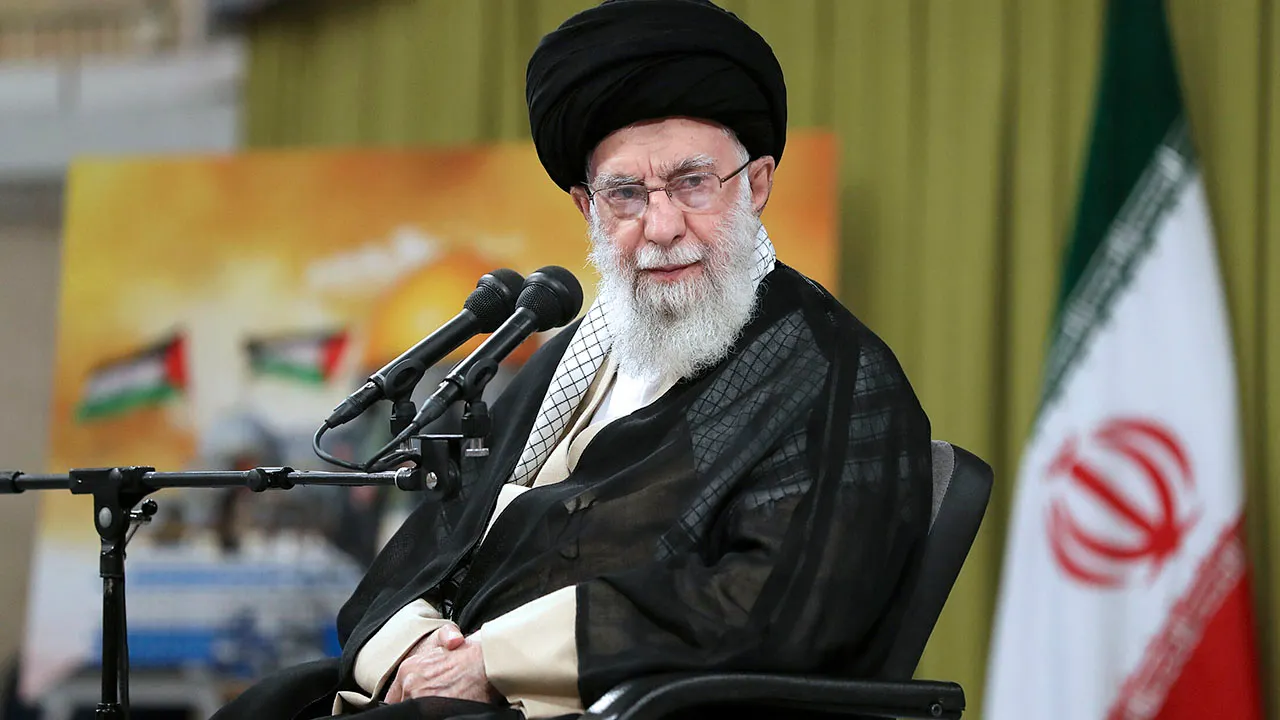
The assassination of senior Iranian leaders by Israel and the United States has caused significant turmoil within Tehran's political and military institutions. This assassination, which targeted prominent figures such as Iranian Supreme Leader Ali Khamenei and leaders in the Revolutionary Guard, has left deep impacts on the Iranian system, bolstering the position of the hardline government and weakening hopes for achieving diplomatic breakthroughs in the near future.
Reports from Tehran indicate that these events have heightened internal tensions, as the regime seeks to consolidate its power in the face of external challenges. The Washington Post reported that regional and Western officials believe these developments could lead to further escalation in Iranian policies, threatening stability in the region.
Details of the Event
Events continue to unfold in Iran following the assassination of military leaders, as the government strives to tighten its grip on power. This assassination was not merely a passing event; it had profound effects on Iran's strategy in the region. With increasing external pressures, the Iranian government appears to be moving towards more hardline policies, complicating the political landscape.
At the same time, there are growing fears that this hardening could escalate conflicts in the region, as tensions rise between Iran and Western countries, in addition to neighboring states. Some analysts have pointed out that these events could lead to a potential military escalation, increasing the risk of new conflicts.
Background & Context
Historically, Iran has undergone significant transformations in its political and military leadership, especially after the Islamic Revolution in 1979. Since then, the Revolutionary Guard has become an integral part of the political system, playing a pivotal role in determining domestic and foreign policies. As tensions with the West have escalated, Iran has increasingly relied on military power as a means to protect its interests.
The assassinations targeting military leaders occur within a long context of regional and international conflicts, as Iran seeks to enhance its influence in the region, leading to heightened tensions with Western countries. This historical context reflects the challenges Iran faces in its quest to achieve its strategic objectives.
Impact & Consequences
The consequences resulting from the assassination of Iranian leaders could be far-reaching. With the hardline government consolidating its power, Iran may move towards further escalation in its policies, intensifying tensions in the region. This escalation could provoke reactions from Western countries, increasing the likelihood of new sanctions being imposed on Iran.
Furthermore, these events may affect relations between Iran and neighboring countries, potentially leading to escalated conflicts in areas such as Iraq and Syria. The strengthening of the hardline government may negatively impact peace and stability efforts in the region.
Regional Significance
Arab countries are directly affected by the ongoing events in Iran. With rising tensions, Arab nations may find themselves in a difficult position, needing to deal with the repercussions of Iran's hardline policies. This situation could exacerbate conflicts in the region, especially with other regional powers seeking to enhance their influence.
Ultimately, the question remains open about how these events will affect the future of Iran and regional relations. As internal and external pressures continue, Iran may face significant challenges in maintaining its political and economic stability.