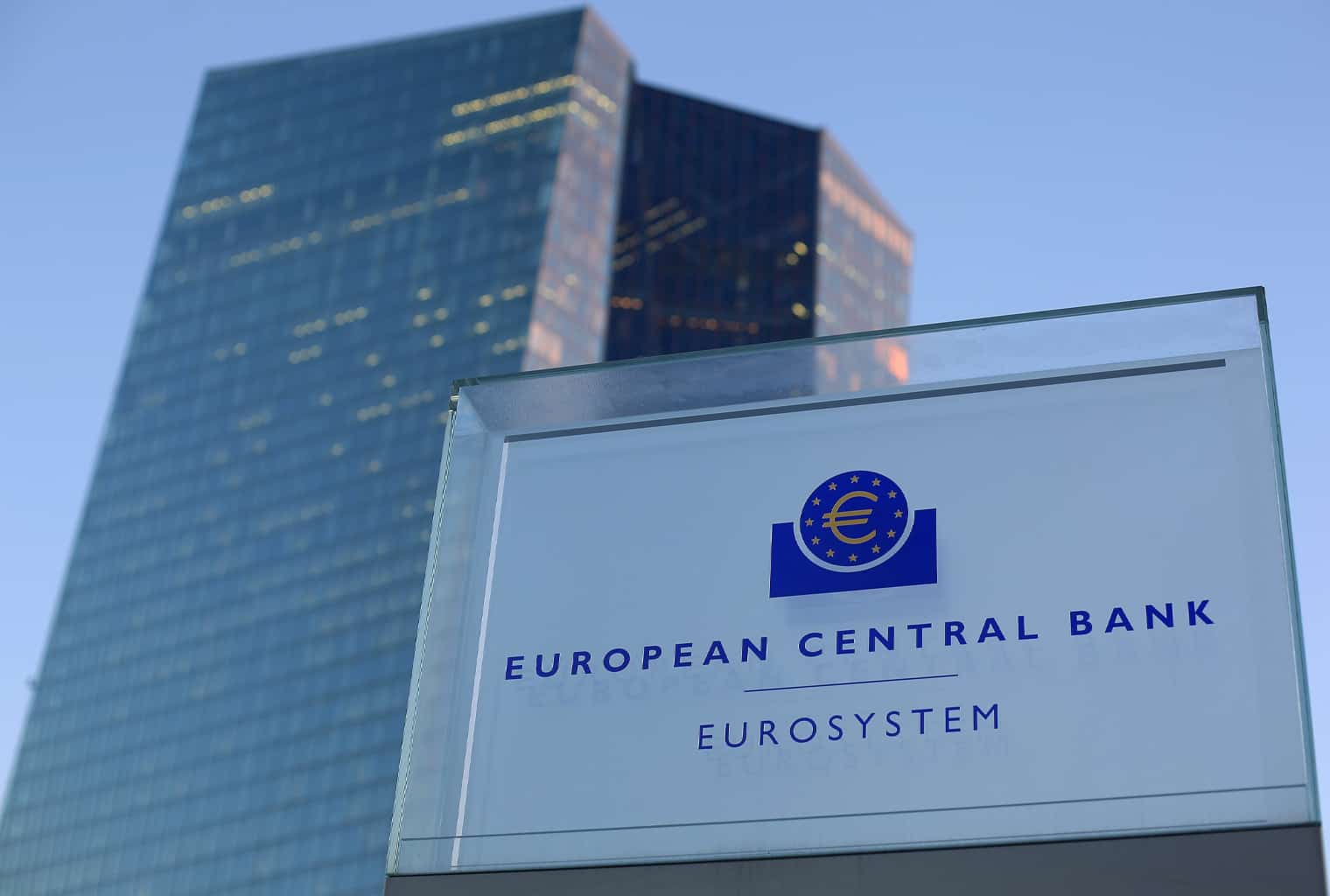
Yannis Stournaras, a member of the European Central Bank's governing council, emphasized that the monetary policy of the Eurozone will be significantly influenced by the magnitude of disruptions in the energy market. These remarks come at a time when Europe is experiencing successive crises related to energy supplies, raising concerns about the stability of the European economy.
In his comments to reporters, Stournaras noted that any increase in energy prices or supply interruptions could lead to negative impacts on economic growth. He clarified that the European Central Bank is closely monitoring the situation, and any changes in monetary policy will depend on developments in the energy market.
Details of the Event
Stournaras's statements come at a time when many European countries are suffering from a sharp rise in energy prices, placing additional pressure on households and businesses. This situation has led to increasing calls from European governments for urgent action to ensure supply stability.
The European Central Bank, which is responsible for monetary policy in the Eurozone, faces significant challenges in balancing support for economic growth while combating inflation. Stournaras indicated that the bank may take further steps if disruptions in the energy market persist.
Background & Context
Historically, Europe has heavily relied on energy supplies from abroad, particularly from Russia. As geopolitical tensions escalate, it has become essential to diversify energy sources and reduce dependence on traditional suppliers. These dynamics directly impact the monetary policy of the European Central Bank.
In recent years, Europe has witnessed significant shifts in energy strategies, including an increased reliance on renewable energy sources. However, challenges remain, especially amid global crises affecting supply chains.
Impact & Consequences
The impact of energy disruptions on monetary policy could have far-reaching implications for the European economy. Rising energy prices could lead to increased inflation, potentially forcing the central bank to raise interest rates. This could affect investments and overall economic growth.
Moreover, any changes in monetary policy could impact financial markets, increasing uncertainty among investors. Should disruptions continue, the European Central Bank may have to make difficult decisions to maintain economic stability.
Regional Significance
For the Arab region, the situation in Europe may have indirect effects. Rising energy prices could lead to increased demand for oil and gas from Arab countries, potentially boosting their economies. However, any slowdown in the European economy could affect Arab exports to Europe.
Ultimately, the current situation in Europe requires careful monitoring by policymakers, as any changes in the energy market could have long-term effects on the global economy.