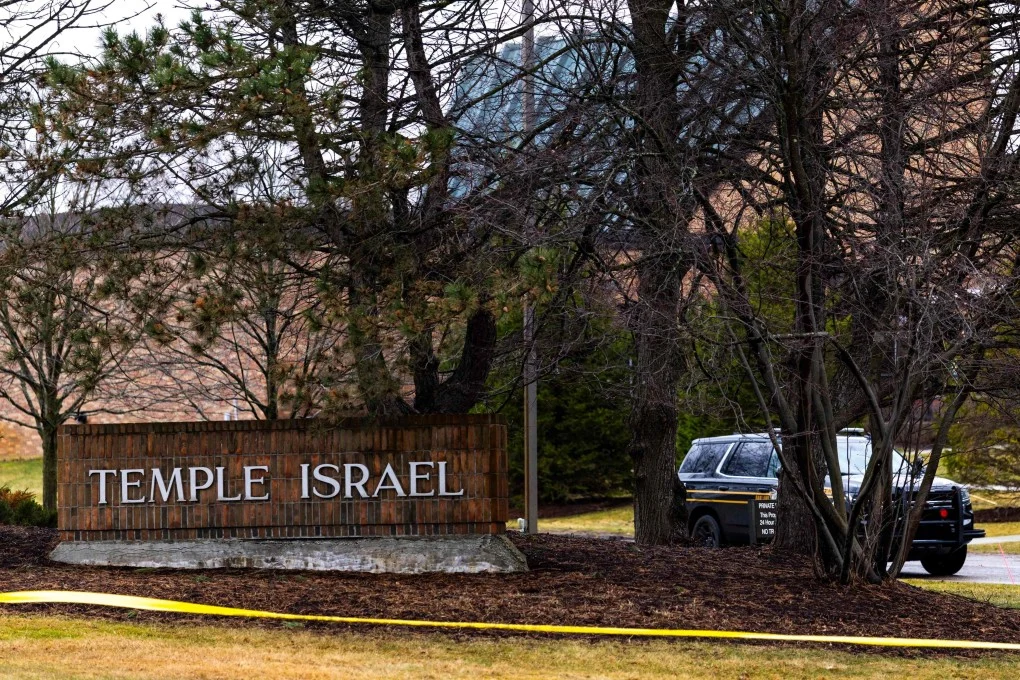
The Federal Bureau of Investigation (FBI) announced that the attack that occurred in March on the Israel Temple in West Bloomfield, Michigan, was driven by inspiration from the Lebanese group Hezbollah. The assailant, identified as Ayman Ghazali, exhibited clear hostile intentions, expressing in a video prior to the attack his desire to "kill as many people as possible."
The attack, which took place on March 1, 2023, raised widespread concern within the Jewish community and among security circles, as investigators noted that Ghazali aimed to cause as much destruction as possible. He was arrested following the incident and was convicted on terrorism-related charges.
Details of the Incident
According to reports, Ghazali drove his truck towards the temple, causing significant damage to the building. The incident occurred at a time when Jewish communities in the United States were experiencing an increase in hate crimes and violence. Jennifer Rounian, head of the FBI office in Detroit, stated that Ghazali was following a radical ideology linked to Hezbollah, reflecting the growing threats faced by various religious communities in the country.
This incident comes at a sensitive time, as fears of escalating violence related to extremism in the United States are on the rise, particularly amid a tense political and social atmosphere. Some experts have pointed out that such incidents could exacerbate tensions between different communities.
Background & Context
Hezbollah, founded in the 1980s in Lebanon, is considered an Iranian-backed group and has been linked to numerous terrorist attacks worldwide. In recent years, the United States has witnessed an increase in extremist activities associated with Hezbollah, raising concerns among security authorities.
Attacks on Jewish temples are not new, as the United States has seen several similar incidents in recent years, reflecting a rise in hatred against Jewish communities. In 2018, the city of Pittsburgh experienced a horrific attack on the Tree of Life synagogue, resulting in the deaths of 11 individuals.
Impact & Consequences
The attack on the Israel Temple in Michigan serves as a wake-up call for U.S. authorities regarding the rising extremist threats. It also highlights the urgent need to enhance security in places considered potential targets for violence.
Such incidents require a coordinated response from security agencies and local communities to combat hatred and violence. Many religious and political leaders have called for increased interfaith dialogue and the activation of awareness programs to counter extremism.
Regional Significance
This incident illustrates how regional conflicts, such as the Lebanese-Israeli conflict, can impact communities far away, including in the United States. It also reflects the challenges faced by Arab communities abroad, where they may be marginalized or targeted due to the actions of extremist groups.
Ultimately, the current situation demands greater cooperation between Arab countries and the United States to address shared challenges related to extremism and violence, and to promote values of tolerance and peaceful coexistence.