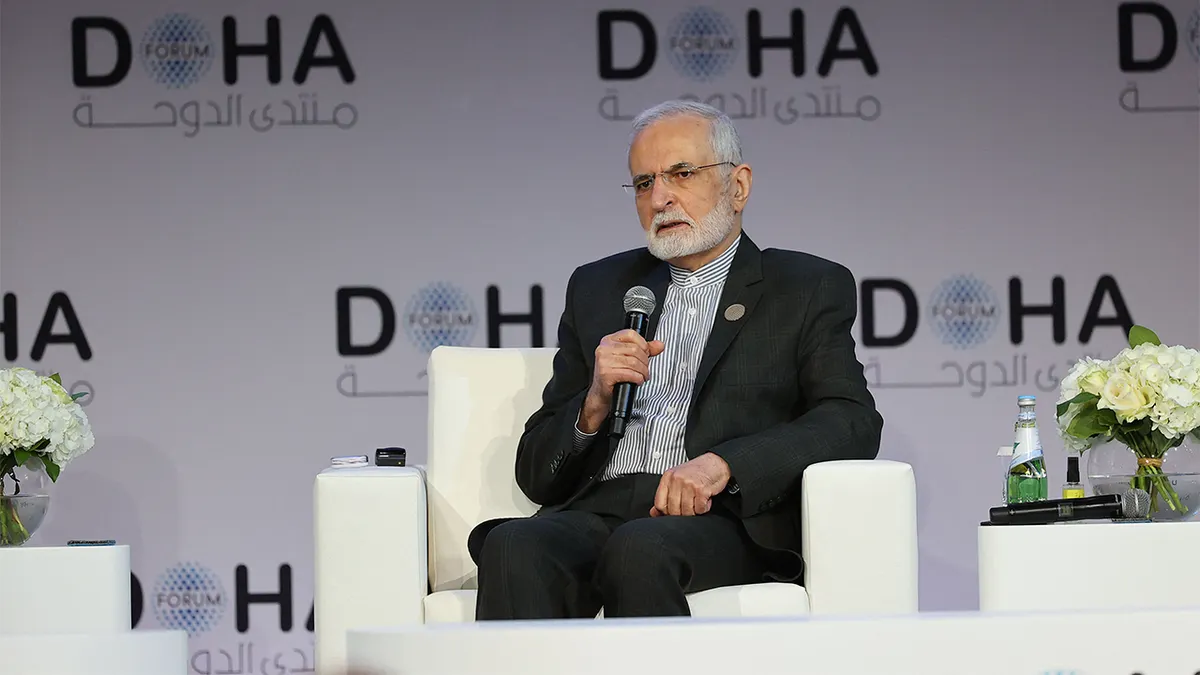
Kamel Kharrazi, the head of Iran's Strategic Council on Foreign Relations, was the victim of an armed attack at his home in the capital, Tehran, which resulted in serious injuries to him and the death of his wife. Reports suggest that the attack is believed to have been carried out by American and Israeli entities, further complicating the political situation in the region.
Kharrazi was taken to the hospital for treatment following his injuries, while his wife was killed at the scene of the attack. Kharrazi is considered a prominent figure in Iranian politics, having previously served as foreign minister and as an advisor to the late Supreme Leader Ali Khamenei.
Details of the Incident
Iranian media reported that the attack occurred at a sensitive time, as Kharrazi was overseeing coordination for a potential meeting with U.S. Vice President J.D. Vance. Iranian authorities have regarded this attack as an attempt to obstruct diplomatic efforts aimed at improving relations with the United States.
Reports indicate that Kharrazi was working on coordinating efforts with Pakistan, reflecting the significance of his role in Iranian foreign policy. The attack comes amid ongoing military escalation between Iran and the United States and its allies, with the region experiencing heightened tensions since the beginning of the year.
Background & Context
Historically, Iranian-American relations have been marked by increasing tensions, especially following the U.S. withdrawal from the nuclear agreement in 2018. Since then, Washington has imposed strict sanctions on Tehran, exacerbating the economic and political conditions in the country.
Moreover, the repeated attacks on political and military figures in Iran reflect a state of instability within the country, as several Iranian leaders have been assassinated in recent years, intensifying both internal and external tensions.
Impact & Consequences
The attack on Kamel Kharrazi could have significant repercussions for Iranian politics, as Kharrazi is one of the key figures seeking to improve relations with the West. This incident may strengthen hardline positions within the Iranian government, potentially hindering any future diplomatic efforts.
Furthermore, the escalation of violence in Iran could heighten regional conflicts, as Tehran may resort to retaliatory measures against what it perceives as assaults on its sovereignty. This could lead to greater military escalation in the region, threatening regional security and stability.
Regional Significance
This development comes at a sensitive time for the Arab region, where many countries are experiencing political and security tensions. The attack on Kharrazi may impact relations between Iran and Arab states, especially those cooperating with the United States.
Additionally, the rise in violence in Iran could have repercussions for regional security, as neighboring countries may be directly affected by any military escalation. In this context, the region remains on alert for the outcomes of the forthcoming events.
The attack on Kamel Kharrazi reflects a growing state of instability in Iran and indicates escalating tensions between Tehran and its adversaries. Under these circumstances, the future of Iranian-American relations and regional diplomacy remains uncertain.