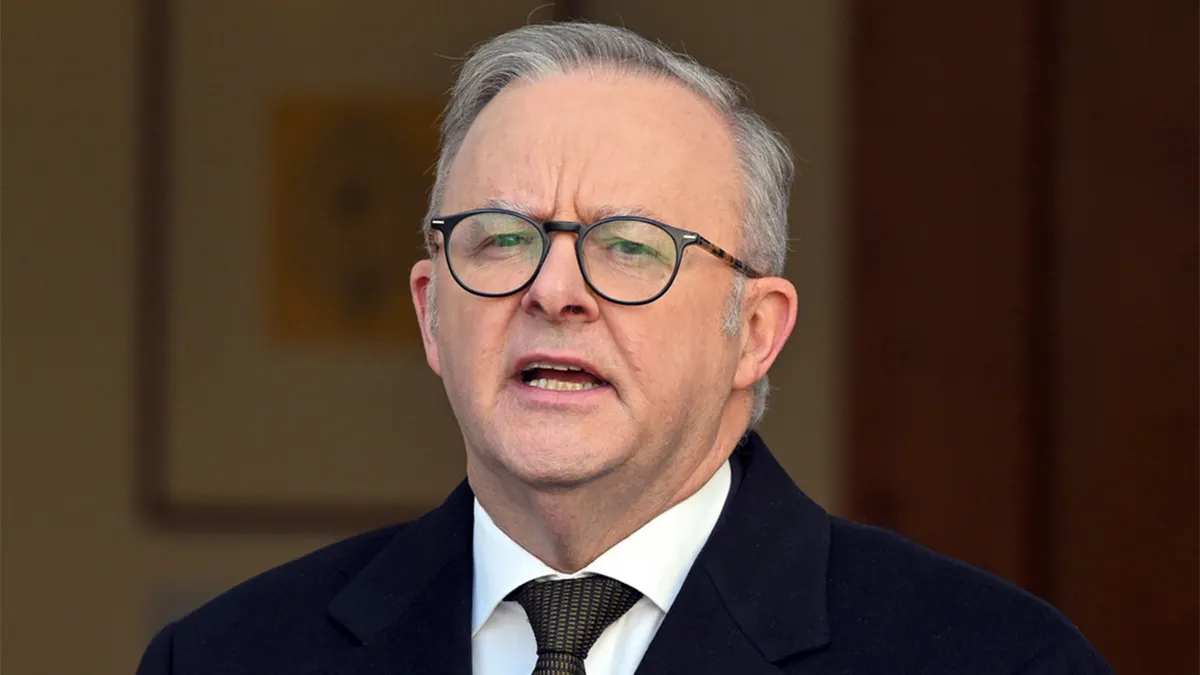
Australian Prime Minister Anthony Albanese confirmed that the economic shock resulting from the recent war will continue to impact the country for several months to come. This statement was made during a press conference, where he emphasized the need for citizens to rely on public transport as a way to mitigate increasing financial burdens.
Albanese explained that the war has led to rising prices of essential goods, negatively affecting the budgets of Australian households. He assured that the government is taking measures to address these challenges, including enhancing public transport services.
Details of the Event
Albanese's remarks come at a sensitive time, as the Australian economy suffers from the repercussions of the war, which has caused disruptions in supply chains and increased living costs. Recent economic reports have shown a significant rise in food and fuel prices, adding pressure on families.
The Prime Minister also highlighted the importance of using public transport, as it can help reduce individual costs and alleviate traffic congestion. He confirmed that the government will work on improving public transport services to make them more appealing to citizens.
Background & Context
Historically, Australia has faced several economic crises due to global events, but the impact of the recent war has been particularly significant. Conflicts in various parts of the world have led to increased energy and commodity prices, directly affecting the Australian economy, which heavily relies on international trade.
In recent years, Australia has been striving to enhance its economic independence and reduce reliance on imports, but the war has reopened discussions about these strategies. The Australian government faces significant challenges in managing these crises without hindering economic growth.
Impact & Consequences
The Australian government anticipates that the effects of the war on the economy will last for a long time, potentially leading to increased inflation rates and slowed economic growth. This situation could negatively impact job opportunities and investments in the country.
Moreover, the use of public transport may become an urgent necessity, as it can help reduce dependence on fossil fuels, contributing to Australia's environmental goals. However, this requires substantial investments in transport infrastructure.
Regional Significance
The Arab region is also affected by the repercussions of the war, as oil and food prices have surged due to global disruptions. This situation may lead to increased economic tensions in Arab countries, which heavily rely on importing essential goods.
Furthermore, Australia's response to the crisis may provide a model for Arab countries on how to handle economic crises, particularly regarding enhancing public transport and improving services.
In conclusion, Australia faces significant economic challenges due to the war, necessitating an effective response from both the government and citizens. Utilizing public transport could be a step towards alleviating economic burdens, but it requires ongoing efforts to improve infrastructure and services.