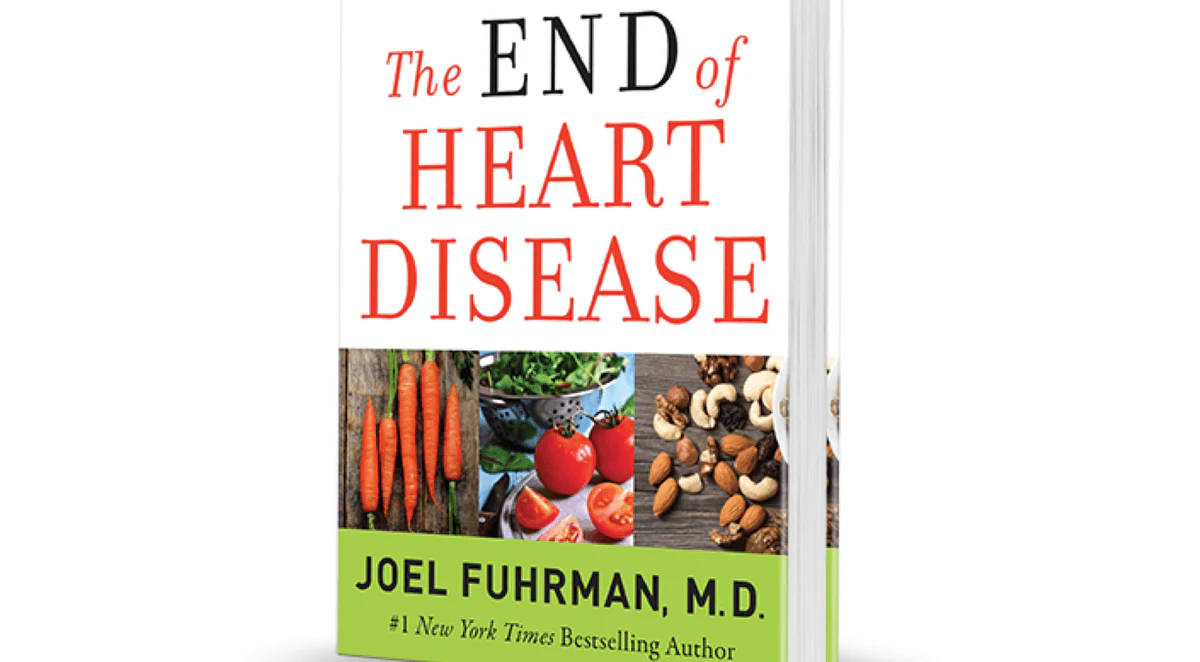
Nutrition experts warn that consuming specific foods can significantly increase the risk of heart disease. These include saturated fats and added sugars, highlighting the need for dietary awareness.
With the rising rates of heart disease globally, it has become essential for patients to adhere to a healthy diet that avoids foods that may exacerbate their health conditions. Studies have shown a close correlation between poor diet and increased risks of heart disease.
Details of the Issue
Experts report that certain foods, such as processed red meats, fried foods, and sugar-rich items, can lead to elevated levels of harmful cholesterol in the body, contributing to artery blockage. Additionally, consuming foods high in sodium can result in high blood pressure, a major risk factor for heart disease.
Moreover, experts point out that some processed foods contain unhealthy ingredients like trans fats, which further increase the risk of heart disease. Therefore, patients are advised to avoid these foods and focus on consuming fruits, vegetables, and whole grains.
Background & Context
Heart disease is one of the leading causes of death worldwide, with estimates indicating that over 17 million people die annually due to these conditions. The incidence rates have risen in recent years, necessitating effective preventive measures.
There is a growing awareness of the importance of healthy nutrition in preventing heart disease, as research has shown that lifestyle changes, including dietary improvements, can significantly reduce risks. Thus, it is crucial for individuals to adopt healthy eating habits from an early age.
Impact & Consequences
Ignoring the risks associated with poor diet can worsen the health situation for many individuals, increasing the burden on health systems. Rising rates of heart disease can also negatively impact the economy, as healthcare and treatment costs escalate.
Therefore, governments and health institutions must work to raise awareness about the importance of proper nutrition and provide individuals with the necessary information regarding foods to avoid. Additionally, research and studies that contribute to a better understanding of the relationship between diet and heart health should be encouraged.
Regional Significance
Arab countries face significant challenges in public health, with rising rates of obesity and heart disease becoming increasingly evident. Studies have shown that poor dietary habits, such as the consumption of fast and processed foods, contribute to the spread of these diseases.
Thus, Arab nations must enhance health awareness and provide educational programs aimed at improving lifestyle and nutrition. Governments should collaborate with civil society organizations to develop effective strategies to combat heart disease.
In conclusion, a collective effort from individuals, governments, and health institutions is required to mitigate the risks of heart disease. By committing to a healthy diet and avoiding harmful foods, everyone can contribute to improving their health and the health of their communities.