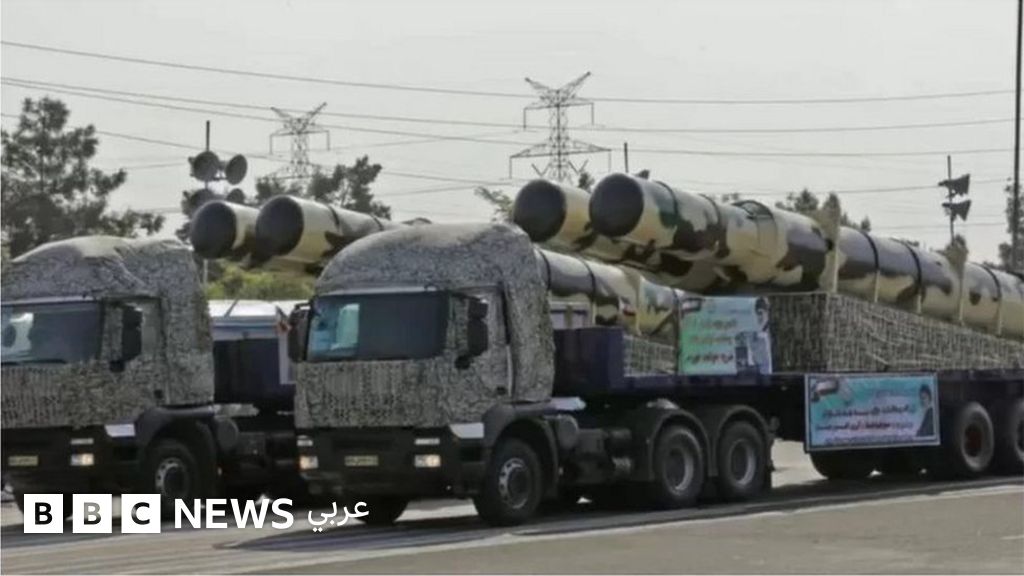
The defense forces in Bahrain have successfully intercepted 145 missiles and 246 drones as the conflict in the region escalates due to the war involving the United States and Israel against Iran. The military statement affirmed that Bahrain will continue to counter what it described as 'successive waves' of attacks allegedly emanating from Iranian territory.
These remarks indicate rising tensions between Bahrain and Iran in the context of a prolonged regional conflict. Bahrain, which hosts the U.S. Fifth Fleet, has always found itself in a precarious position that requires high vigilance in the face of regional crises. It is evident that the recent interceptions of these attacks reflect the increasing security challenges faced by the kingdom.
The use of drones and ballistic missiles to target civilian infrastructure is a clear violation of international humanitarian law, raising significant concerns at both local and international levels. Bahrain has issued warnings urging the international community to take decisive steps against such aggressions that threaten civilian safety.
Bahrain is not the only country facing this threat, as other nations in the region, such as Saudi Arabia and the UAE, have experienced similar attacks involving Iranian drones on their soil. Complicating matters further are the deep political divisions and sharp polarizations in the region, where Iran plays a significant role in supporting armed groups in Iraq, Syria, and Lebanon, thereby increasing the likelihood of new conflicts.
The relationship between Bahrain and Iran has historically been tense, particularly due to the presence of large Shia communities in Bahrain that demand broader political rights. Recently, Iran has increased its support for groups in Bahrain, contributing to heightened security tensions. Therefore, the recent statements from Bahrain’s defense forces come amidst a regional security policy aimed at reaffirming the country's goodwill in defending its sanctities.
This situation serves as a wake-up call for other Gulf states, emphasizing the need for solidarity to face common threats. Any further escalation in these disputes could negatively impact the stability of all neighboring countries. It is crucial for Arab nations to continue strengthening their air defenses and internal security.
It is clear that the humanitarian implications of these escalations could be severe, as civilians in conflict areas are forced to bear the brunt of ongoing conflicts. Thus, international solidarity is required to provide the necessary support for protecting civilian infrastructure and safeguarding citizens' lives. The threat of missiles and drones reflects the significant challenges facing the region, and the international community must remain vigilant against the risks of escalating violence.
Analyses continue to suggest that the complex security reality in the Gulf requires a thoughtful and multidimensional response, including dialogue and enhanced security cooperation. Stability in Bahrain equates to stability for the entire region, making it essential for Bahrain's efforts to receive regional and international support.