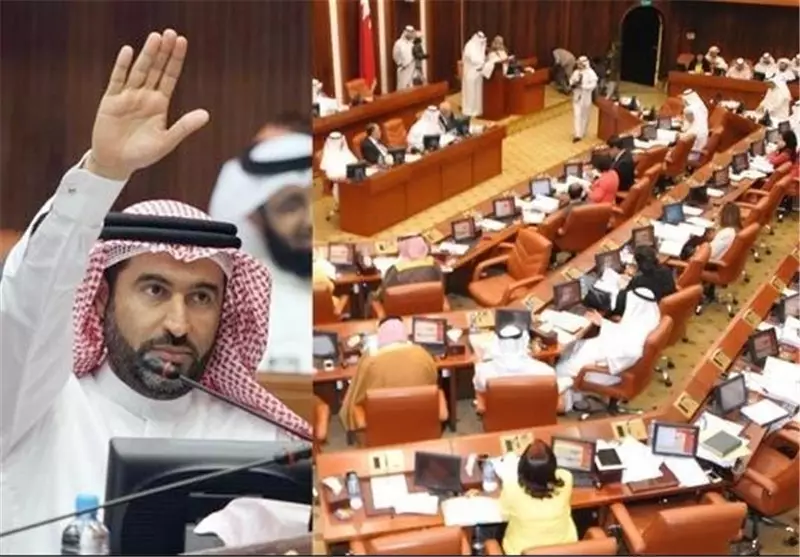
Several members of the Bahraini parliament have called for a cap on fuel prices, pointing out that the continuous rise in prices negatively impacts citizens. The MPs emphasized that fuel prices have reached unacceptable levels, necessitating government intervention to protect the populace.
During the last parliamentary session, this proposal was raised by a group of MPs who expressed their concern over the impact of fuel prices on the cost of living. They noted that rising prices directly affect all aspects of daily life, from transportation to food costs.
Details of the Proposal
During discussions, the MPs confirmed that setting a cap on fuel prices would help alleviate the financial burdens on citizens. They also pointed out that many neighboring countries have taken similar steps to protect their citizens from the effects of rising fuel prices. The MPs urged the government to seriously consider this proposal and work towards its implementation as soon as possible.
On another note, some MPs highlighted the importance of having effective mechanisms to monitor prices and ensure that companies do not exploit citizens. They stressed the need for transparency in price determination, which would help build trust between the government and the citizens.
Background & Context
Historically, Bahrain has witnessed several increases in fuel prices, sometimes leading to public protests. In recent years, there have been growing calls from citizens to limit fuel prices, especially amid the difficult economic conditions the country is experiencing. The Bahraini government had previously taken steps to alleviate the financial burdens on citizens, but these measures seem to have been insufficient.
In 2016, the government raised fuel prices as part of an economic reform plan, leading to increased living costs. Since then, the issue of fuel prices has become one of the main concerns for citizens, as they consider it a crucial factor in improving their standard of living.
Impact & Consequences
If the MPs' proposal to set a cap on fuel prices is implemented, it could relieve economic pressures on Bahraini families. This may help improve the standard of living and enhance social stability. However, a comprehensive study of the impact of this decision on the local economy is necessary, especially given the heavy reliance on oil revenues.
This decision could potentially increase pressures on companies operating in the fuel sector, which may affect their investments. Therefore, there should be a clear plan to ensure that this decision does not adversely impact the local market.
Regional Significance
The issue of fuel prices is not only a local concern but also resonates regionally, as many Gulf countries face similar challenges. The response of the Bahraini government to this proposal could set a precedent for other nations in the region dealing with rising fuel costs and economic pressures.
In conclusion, the call for a cap on fuel prices reflects the urgent need for government action to support citizens facing economic hardships. The outcome of this proposal will be closely watched by both citizens and regional observers.