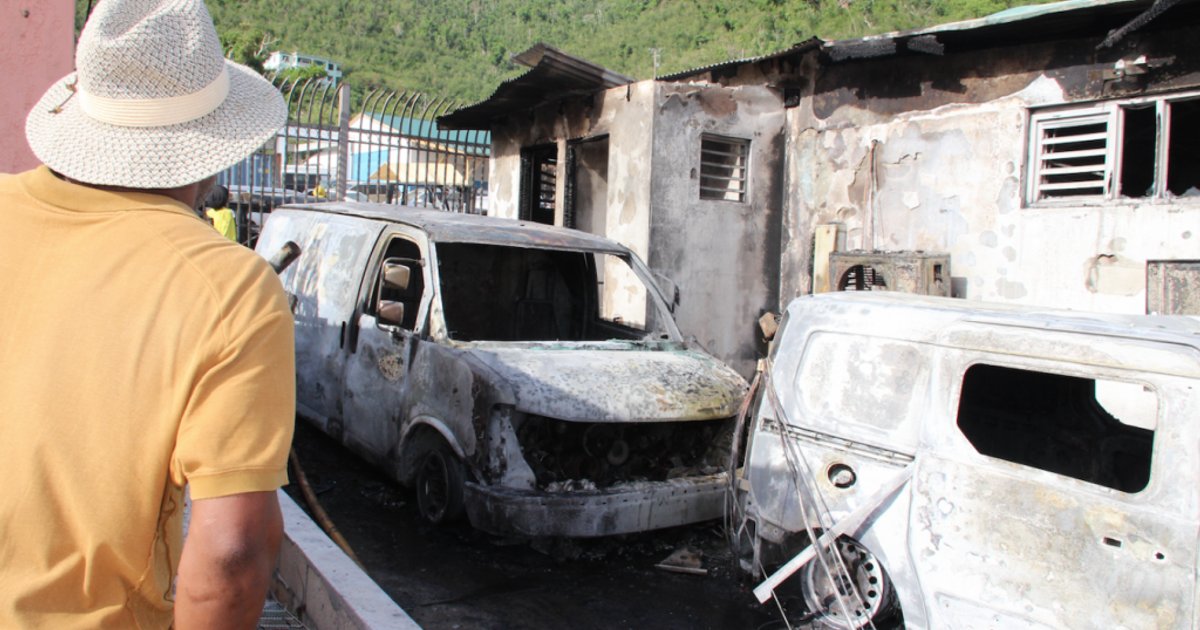
The Bekasi city government, located in West Java, Indonesia, confirmed that it will bear all medical treatment and healthcare costs for 14 victims injured in a fire that broke out at a gas filling station. The incident occurred in the Cimuning area, where the victims sustained serious injuries, necessitating their transfer to hospitals for required treatment.
In statements made by Bekasi's Deputy Mayor, Abdul Haris Bubun, during his visit to the accident site, he indicated that the local government would ensure all victims receive necessary medical care through the National Health Insurance System (BPJS) or through other funding mechanisms. He explained that this step is part of the state's responsibility towards citizens in the face of disasters.
Details of the Incident
The fire, which resulted in no fatalities, caused serious injuries to several individuals, with some suffering burns as severe as 90%. The victims were evacuated to Bekasi Hospital, with some being transferred to Septo Mangunkusumo Hospital for specialized treatment.
According to officials, the fire was caused by a gas leak during the cylinder filling process, leading to flames spreading over an area of approximately 2000 square meters. The fire was brought under control by 3:45 AM, and authorities confirmed that the situation at the site has become safe.
Background & Context
Fires at gas filling stations are common incidents in many countries and are often the result of non-compliance with safety standards. In Indonesia, where many residents rely on gas as cooking fuel, such incidents raise significant concerns about facility safety and measures taken to protect citizens.
Historically, Indonesia has witnessed numerous similar incidents, prompting the government to enhance safety standards in industrial facilities. However, accidents continue to occur, necessitating further efforts to ensure citizen safety.
Impact & Consequences
The recent incident highlights the importance of enhancing safety standards at gas filling stations, as any negligence in this area can lead to humanitarian disasters and loss of life. Additionally, the medical treatment and healthcare costs for the victims pose a significant burden on the government, prompting the need for effective health insurance mechanisms.
Moreover, incidents of this nature affect public trust in the government and its ability to protect citizens. Therefore, it is crucial for the government to take urgent steps to improve safety standards and provide necessary support for the victims.
Regional Significance
Although the incident occurred in Indonesia, it holds important implications for Arab countries, as many nations rely on gas as a primary energy source. Arab countries must learn from these incidents to enhance safety standards in their facilities, especially amid the growing use of gas as an energy source.
In conclusion, incidents like the gas station fire in Bekasi should serve as a wake-up call for countries around the world, including Arab nations, to strengthen safety standards and protect citizens from potential risks.