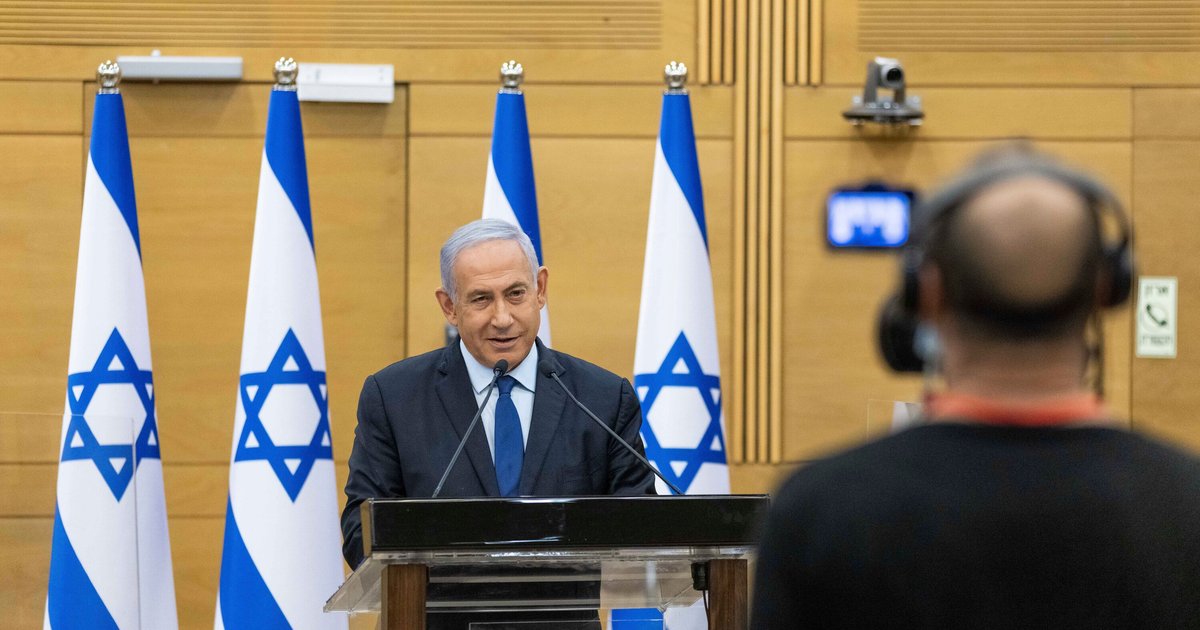
In an unexpected turn of events, former Israeli Prime Minister Naftali Bennett aims to take the lead in the bloc opposing current Prime Minister Benjamin Netanyahu. This move comes at a sensitive time as political pressures in Israel are mounting, raising questions about the future of the current government.
Bennett, who led the Israeli government for a brief period, is now seeking to unify the ranks among the parties opposing Netanyahu. Reports indicate that Bennett aims to reshape political alliances in the Knesset, capitalizing on the instability currently faced by the government.
Details of the Event
This move comes at a time when the Israeli political landscape is experiencing deep divisions. Netanyahu faces increasing criticism from the opposition, along with a decline in his popularity among voters. Bennett seeks to exploit these circumstances to his advantage, which could lead to a radical change in the political landscape.
This step represents a direct challenge to Netanyahu, who has ruled the country for many years. Bennett has demonstrated during his previous term the ability to form alliances with various parties, making him a pivotal figure at this stage.
Background & Context
Historically, Israel has witnessed numerous political shifts, with governments forming and dissolving rapidly. Since Netanyahu took office, the country has faced recurring political crises, leading to several elections within a short period. These dynamics make it easier for figures like Bennett to seek leadership during times of turmoil.
Bennett, regarded as a right-wing figure, may face challenges in unifying the anti-Netanyahu bloc, as opinions vary among different parties. However, his ability to negotiate and build coalitions could enhance his chances of success.
Impact & Consequences
If Bennett succeeds in achieving his goals, it could lead to a radical change in Israeli politics. This could mark a new beginning for the opposition and provide hope for voters who feel frustrated with the current situation. Additionally, this shift may affect Israel's international relations, particularly with Arab countries.
Concerns are growing that continued political instability could exacerbate security situations in the region. Under these circumstances, Bennett could play a significant role in reshaping Israeli politics in line with regional and international interests.
Regional Significance
The political developments in Israel are of great importance to the Arab region. Any change in Israeli leadership could impact the course of peace and relations with Arab nations. Should Bennett manage to form a new government, policies towards the Palestinians and neighboring countries may shift.
Ultimately, the world's eyes remain focused on what will happen in Israel, as any political shift could have far-reaching effects on stability in the region.