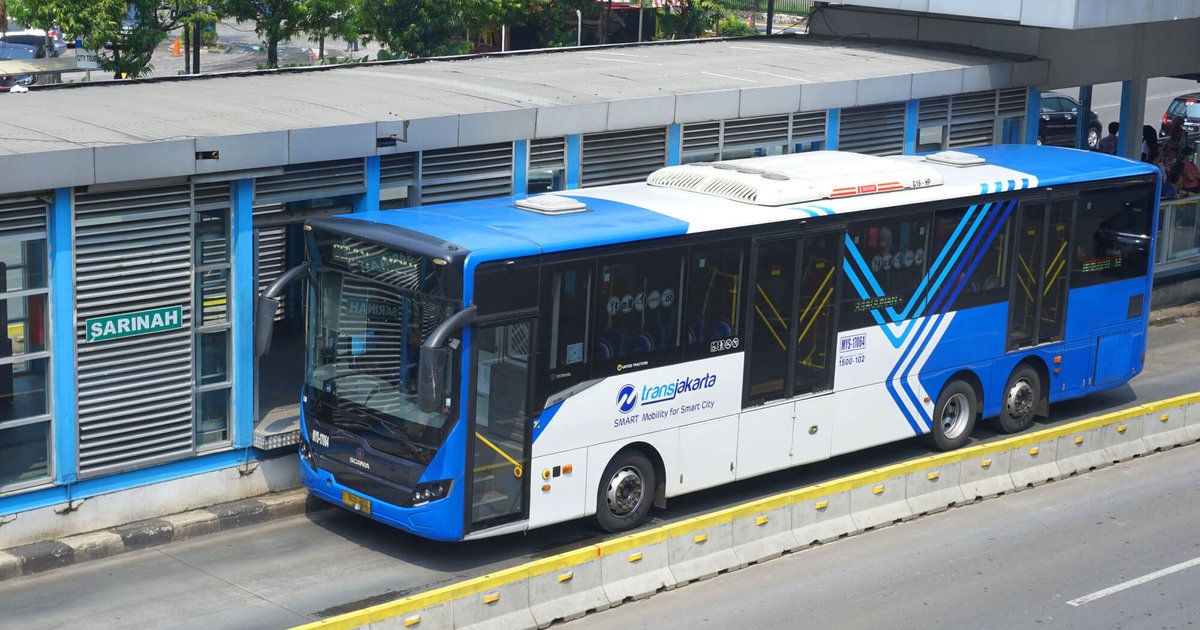
Jakarta Governor, Anies Baswedan, praised the performance of TransJakarta, which has significantly contributed to the local economy with a total of 73.8 trillion rupiah. The daily service caters to approximately 1.4 million passengers, reflecting its success in enhancing the city's transportation system.
These statements were made by Baswedan during the celebration of the twelfth anniversary of TransJakarta, where he emphasized that this service has become an essential part of Jakarta's transportation infrastructure. According to a report from Time Out 2025, Jakarta ranks seventeenth globally in terms of infrastructure quality, and second in Asia after Singapore.
Event Details
During the celebration, Baswedan explained that government investments in the transportation sector through TransJakarta have led to significant economic impacts, as every trillion rupiah invested generates an economic impact of up to 3.2 trillion rupiah. He stressed the need to maintain this momentum, noting that increasing the scale of TransJakarta will enhance public expectations.
Baswedan also emphasized the importance of maintaining the quality of services provided, especially with the growing needs of citizens. He affirmed the necessity of taking strict actions against any violations by operators or drivers, mentioning that he has requested the director general of TransJakarta to take decisive steps against any infractions.
Background & Context
TransJakarta was established in 2004 as part of the government's efforts to improve the public transportation system in the Indonesian capital. Since then, the service has seen remarkable growth in both passenger numbers and economic contributions. Today, TransJakarta is considered one of the largest public transportation systems in Southeast Asia, playing a pivotal role in alleviating traffic congestion and improving air quality in the city.
The importance of public transportation in major cities is increasing, as it is considered one of the effective solutions to address environmental and traffic challenges. With the growing population in Jakarta, it has become essential to enhance and expand public transportation services to meet citizens' needs.
Impact & Consequences
TransJakarta serves as a role model in the public transportation sector, significantly contributing to improving the quality of life in the city. By providing comfortable and efficient transportation options, reliance on private cars can be reduced, which helps decrease congestion and pollution.
Furthermore, investments in the public transportation sector boost economic growth by creating new job opportunities and stimulating business activity. Enhancing public transportation services can also lead to an increase in tourism, as visitors prefer to use public transport to explore the city.
Regional Significance
Many Arab cities face challenges similar to those encountered by Jakarta, such as traffic congestion and air pollution. The experience of TransJakarta can serve as an inspiration for Arab countries seeking to improve their public transportation systems. By investing in public transportation projects, Arab nations can enhance the quality of life for their citizens and promote economic growth.
In conclusion, the success of TransJakarta highlights the importance of investing in public transportation as a means to improve the local economy and quality of life. Strengthening these services can have far-reaching positive impacts on communities worldwide.