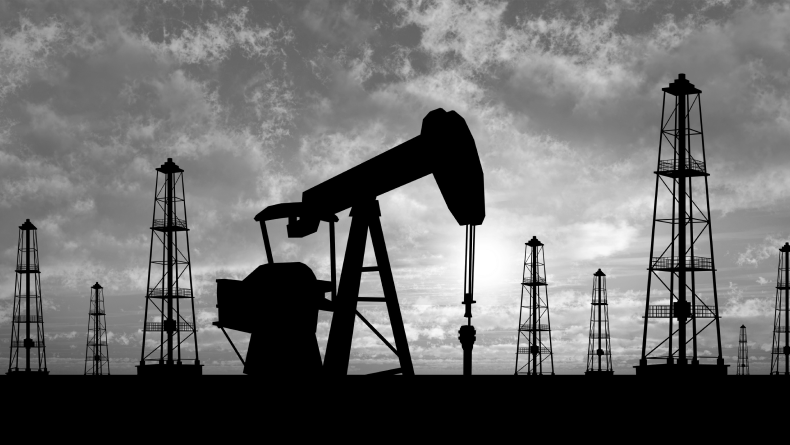
Latin America is experiencing a significant surge in oil production, with countries such as Brazil, Guyana, Argentina, and Venezuela projected to contribute approximately 44% of global oil supply growth between 2025 and 2030. This production increase occurs during a sensitive period marked by disruptions in the oil market due to the ongoing conflict in the Middle East, which has impacted energy flows through the Strait of Hormuz and damaged natural gas infrastructure.
According to Rystad Energy, these four countries combined are expected to add around 2.5 million barrels per day by the end of the decade, out of a total anticipated global increase of 5.6 million barrels per day. This expansion presents an opportunity for Latin America to strengthen its position as a stable oil supplier, particularly in a region that offers a more stable investment environment compared to others.
Event Details
Radika Bansal, an analyst at Rystad Energy, noted that while Latin America does not provide an alternative to the Middle East, it significantly mitigates the risks associated with supply concentration. The region boasts stable investment environments and clear projects under development, making it one of the key drivers of global oil supply growth over the next decade.
Countries in the region are striving to enhance energy sector integration, which is a crucial step in supporting intra-regional trade and improving supply chains. Projects like the natural gas corridor linking Argentina, Brazil, and Chile, along with Mexico's emergence as a hub for re-exporting American gas, will bolster consumption and support manufacturing growth.
Background & Context
Brazil is the largest producer of oil and gas in Latin America, aiming to enter the list of the top 5 crude oil producers by 2030, supported by prolific fields like Buzios. Brazil and Guyana dominate the floating production, storage, and offloading unit market.
Conversely, Argentina has emerged as a leading producer of shale oil, seeking to become a major supplier of liquefied natural gas. Estimates indicate that Latin America has been one of the largest sources of capital expenditure growth in exploration and production recently.
Impact & Consequences
This moment marks a turning point for the region in terms of growth and technology. Forecasts suggest that Venezuela, which holds the world's largest proven oil reserves, may see production increases of around 300,000 to 400,000 barrels per day following the political shifts in the country.
However, the sustainability of this growth hinges on achieving political stability and providing competitive financial conditions. Meanwhile, countries like Mexico and Colombia focus on managing the natural decline of mature fields, which may affect their ability to expand supplies.
Regional Significance
The rise of Latin American oil presents an opportunity for the Arab region, as it could lead to a reduction in reliance on traditional oil from the Middle East. Current tensions may prompt Arab nations to rethink their energy strategies.
In conclusion, this shift in the oil market represents an opportunity that Latin America should not miss, particularly given the current geopolitical circumstances that enhance the importance of diversifying energy sources.