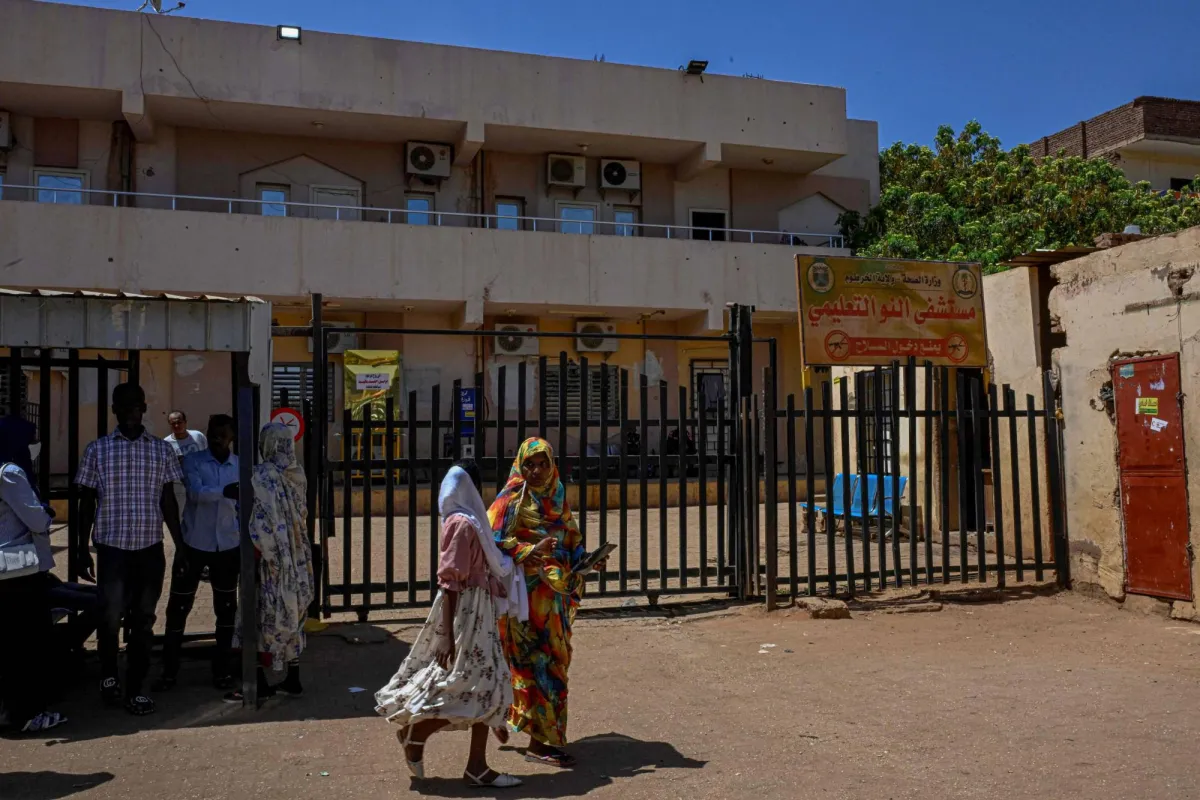
Sudan is currently witnessing a significant resurgence of dengue fever, with the Nile River State alone reporting over 6,000 cases since the start of the year. This increase follows a period of relative decline in infection rates, raising concerns about the ability of the crumbling health system to cope with this challenge.
According to health reports, 205 new cases were recorded in just two days, along with a cumulative total of 12 deaths. The disease is not confined to the Nile River State; it has also spread to the capital, Khartoum, and the states of Al-Jazeera and Darfur, complicating the health situation across the country.
Details of the Outbreak
The Ministry of Health in the Nile River State reported a significant increase in the number of infections in its daily report, with the total number of cases reaching 6,392 as of Friday. On Thursday, 97 new cases were recorded, and 108 cases were reported on Wednesday, prompting many patients to be admitted to hospitals. The infections within the state are distributed across several cities, with Shendi recording 2,495 cases and 4 deaths, followed by Aldamer with 2,100 cases and 4 deaths, and then Al-Matamma with 1,722 cases and 6 deaths.
The spread of the disease has also extended to the neighboring Northern State, where the first case was recorded in the Al-Zouma area of the Meroe locality since the disease emerged last February. The total number of cases there has reached 174 as of Friday, reflecting the widening scope of the outbreak.
Background & Context
Last year, several Sudanese states experienced a widespread outbreak of dengue fever, particularly in Khartoum, Al-Jazeera, and Darfur, amid a near-total collapse of health infrastructure due to war. Statistics indicate that over 14,000 cases were recorded in Khartoum alone, with nearly 3,000 cases in Al-Jazeera, and 176 deaths linked to the disease by October of last year.
In response to the current surge, the Ministry of Health in the Nile River State announced that the Humanitarian Commission has launched an urgent appeal to international and national organizations for rapid intervention to curb the outbreak. Minister Haitham Mohamed Ibrahim has also called for an immediate intensification of treatment and preventive efforts.
Impact & Consequences
Reports indicate that dengue fever has now spread to all eighteen states of Sudan, placing additional pressure on a health system already suffering from severe resource shortages. The minister warned that the situation necessitates intensified community efforts and public participation in control campaigns, urging volunteers, mosque imams, and media outlets to enhance health awareness.
This outbreak occurs within a broader context of deteriorating health and environmental conditions in the country, where several epidemics such as cholera and malaria have emerged, complicating efforts to control dengue fever. The World Health Organization has warned that the health system in Sudan is on the "brink of collapse," with less than 25 percent of health facilities operating at full capacity.
Regional Significance
The dengue fever crisis in Sudan serves as a wake-up call for neighboring countries, as the infection can cross borders. The deterioration of the health system in Sudan could lead to greater health repercussions in the region, necessitating increased regional cooperation to combat epidemics.
In conclusion, the health situation in Sudan requires a swift and comprehensive response from all stakeholders, including the government and the international community, to mitigate the spread of dengue fever and alleviate its impact on the population.