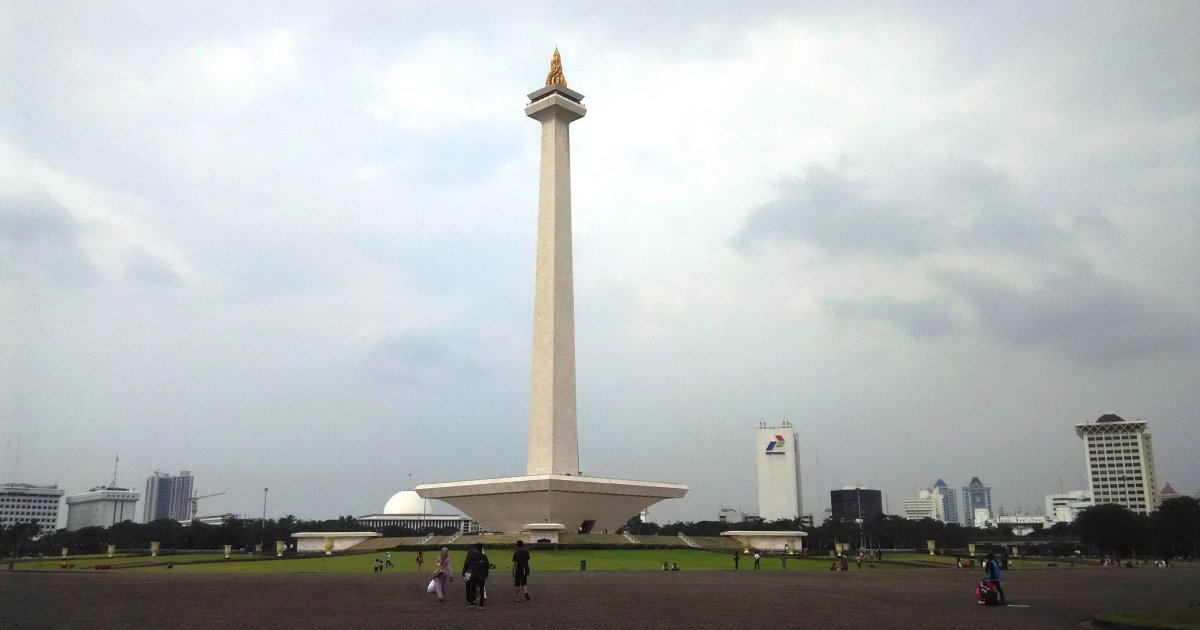
A lively bazaar took place in the Mounas area of Jakarta, Indonesia, last Saturday, where the Indonesian Secretary of the Cabinet, Teddy Indra Wijaya, emphasized that this event represents a significant opportunity to enhance the local economy for small and medium enterprises (SMEs) in the post-Eid al-Adha period.
Teddy noted that this bazaar is not only about providing entertainment for visitors but also plays a crucial role in stimulating the local economy. The event was organized in collaboration with the Minister of Small and Medium Enterprises, Maman Abdurrahman, who highlighted the importance of supporting local traders by providing a platform to showcase their products.
Event Details
Shopping vouchers worth 500,000 rupiah were distributed to visitors, allowing them to redeem 300,000 rupiah for food items and 200,000 rupiah for products from small enterprises. This system aims to encourage citizens to support the local economy by purchasing local products.
Teddy added that the primary goal of this bazaar is to provide an opportunity for as many people as possible to enjoy the festive atmosphere of Eid al-Adha, whether they are those who could not return to their villages or those who have already returned. This event serves as a celebration that combines joy with economic support.
Background & Context
Small and medium enterprises are fundamental pillars of the Indonesian economy, accounting for a significant percentage of the total number of companies in the country. However, these enterprises face substantial challenges, especially amid global economic crises. Therefore, supporting them through events like the bazaar is a strategic step to enhance their sustainability.
Historically, Indonesia has witnessed numerous initiatives to support small enterprises, but these events come at a sensitive time as the Indonesian economy seeks to recover from the impacts of the COVID-19 pandemic. The bazaar serves as a model for how to integrate social joy with economic objectives.
Impact & Consequences
The benefits of this bazaar extend beyond merely providing financial support to traders; it also fosters social connections among citizens. By providing a platform for interaction, people can exchange ideas and innovations, enhancing the spirit of cooperation within the community.
Moreover, such events contribute to raising awareness about the importance of supporting local products, which may lead to increased demand for these products in the future. This, in turn, strengthens the capacity of small enterprises to grow and expand, positively impacting the national economy.
Regional Significance
Indonesia's experience in organizing such events can serve as an inspiration for Arab countries, which face similar challenges in supporting their local economies. Small and medium enterprises play a vital role in enhancing economic and social stability.
By organizing bazaars or similar events, Arab countries can boost their local economies and encourage citizens to support local products, contributing to building a strong and sustainable community.
In conclusion, the bazaar in Jakarta exemplifies how to blend social joy with economic goals, reflecting the importance of collaboration between the government and the community to support small and medium enterprises.