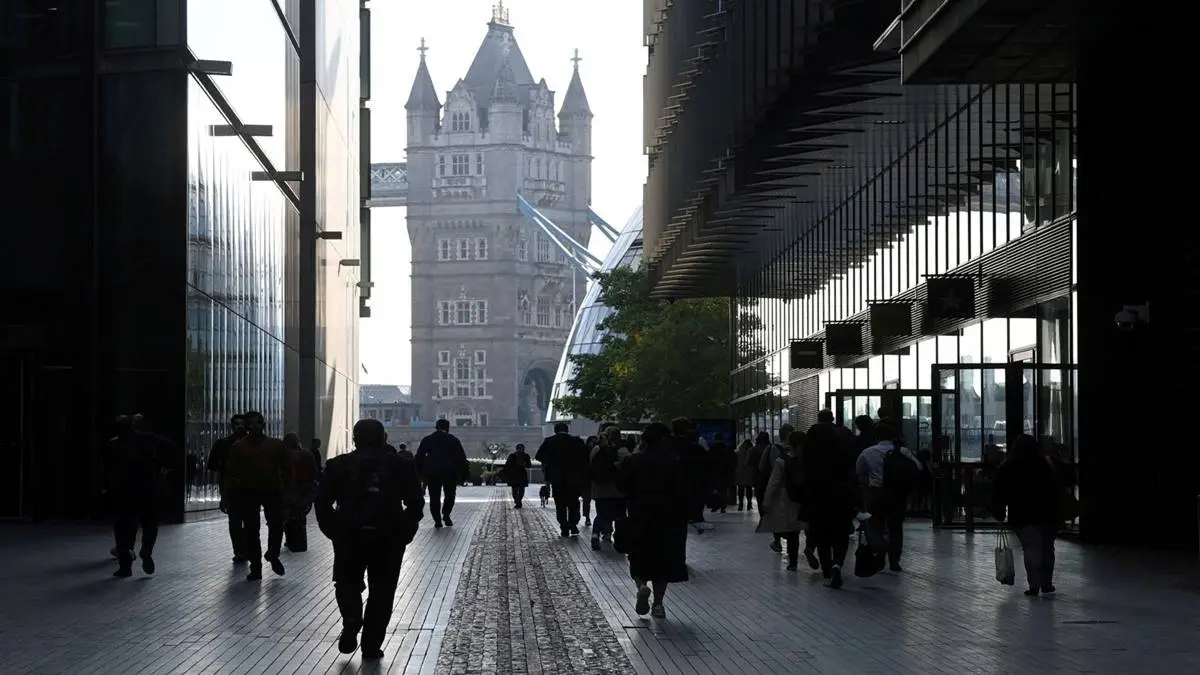
The British economy has recorded a sluggish performance at the end of last year, coinciding with escalating tensions in the Middle East, particularly following events related to Iran. Reports indicate that economic growth in the United Kingdom was weak, raising concerns about the country's economic future amid changing global conditions.
In the last months of 2022, the UK faced multiple economic challenges, including rising living costs and increasing energy prices, which negatively impacted citizens' purchasing power. Additionally, geopolitical tensions, especially those related to Iran, have heightened uncertainty in the markets.
Details of the Situation
According to economic reports, growth indicators in the UK have significantly declined, with GDP recording a downturn in the last quarter of the year. This weak performance comes at a sensitive time, as fears grow over the impact of regional conflicts on the global economy.
These challenges coincide with rising inflation rates, which have reached record levels, increasing pressure on the British government to take urgent measures to support the economy. Furthermore, rising interest rates have affected investments, complicating the economic situation.
Background & Context
Historically, the British economy has experienced significant fluctuations due to global crises, starting from the 2008 financial crisis to the repercussions of the COVID-19 pandemic. However, the current tensions in the Middle East, particularly with Iran, may place additional pressures on the British economy, which heavily relies on regional stability.
Iran is a key player in the Middle East, and any escalation in tensions could affect oil prices, which in turn impacts the global economy. In recent years, relations between the UK and Iran have been strained, further complicating the situation.
Impact & Consequences
Many economic institutions anticipate that the current situation will lead to further declines in British economic growth. If tensions with Iran persist, we may witness a rise in energy prices, leading to increased inflation and affecting consumers' purchasing power.
Moreover, instability in financial markets could lead to a decline in foreign investments, increasing pressure on the British economy. Under these circumstances, the British government may need to take urgent measures to support the economy and stimulate growth.
Regional Significance
The economic conditions in the UK are of particular importance to the Arab region, as any changes in the British economy could affect trade and investment relations between the two parties. Additionally, escalating tensions in the Middle East could impact oil prices, which would reflect on the economies of oil-producing Arab countries.
In light of these circumstances, Arab countries must closely monitor developments in the UK, as any deterioration in the British economy could lead to negative repercussions for investments and trade in the region.
In conclusion, the British economy remains in a state of anticipation, as challenges increase amid changing geopolitical conditions. It is crucial for the British government to take effective steps to address these challenges to ensure economic stability and sustainable growth in the future.