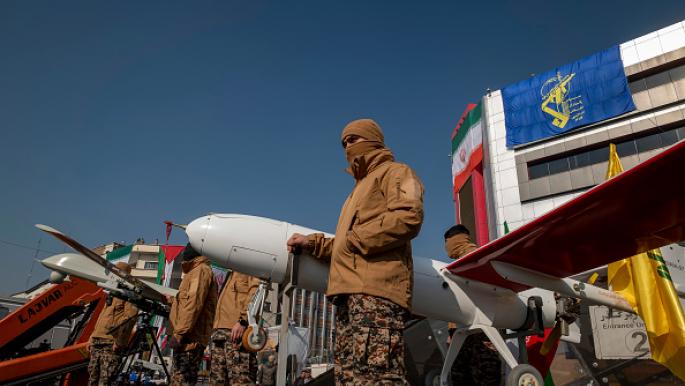
The UK Home Office plans to introduce a new bill to Parliament aimed at designating the Iranian Revolutionary Guard as a terrorist organization. This decision comes at a sensitive time, as the British government seeks to enhance its national security in light of increasing tensions in the Middle East.
The Iranian Revolutionary Guard, established in 1979 following the Islamic Revolution, is considered one of the main military and political arms of the Iranian regime. It has been accused of engaging in activities that threaten regional and international security, including supporting armed groups in Iraq, Syria, and Lebanon.
Details of the Legislation
The new bill will enable British authorities to take legal action against individuals and entities linked to the Revolutionary Guard, reflecting the government's commitment to combating terrorism. This move is expected to elicit mixed reactions within Parliament, as it may face opposition from political parties concerned about its implications for relations with Iran.
This step follows a series of attacks carried out by groups linked to the Revolutionary Guard, prompting the British government to reassess its policies towards Iran. Additionally, there are increasing calls from some MPs to classify the Revolutionary Guard as a terrorist organization as part of their efforts to bolster national security.
Background & Context
Over the years, relations between Iran and the UK have experienced escalating tensions, particularly following the United States' withdrawal from the Iranian nuclear deal in 2018. This withdrawal led to heightened tensions between Iran and Western countries, impacting security in the region.
The Iranian Revolutionary Guard is a crucial part of Iran's strategy in the region, supporting allies such as Hezbollah in Lebanon and Shiite militias in Iraq, complicating the security situation in the Middle East. Therefore, its designation as a terrorist organization could have significant implications for regional dynamics.
Impact & Consequences
If the bill is passed, it could escalate tensions between Iran and the UK and negatively affect diplomatic efforts aimed at resolving conflicts in the region. Furthermore, this classification may pave the way for additional economic sanctions against Iran, increasing pressure on its regime.
Moreover, this decision could impact relations between European countries and Iran, as some European nations seek to maintain dialogue channels with Tehran. Consequently, this move may create divisions within the European Union regarding how to engage with Iran.
Regional Significance
Classifying the Revolutionary Guard as a terrorist organization could directly affect security in Arab countries, especially those suffering from Iranian interventions. Countries like Iraq, Syria, and Lebanon may face additional challenges as a result of this decision, potentially leading to escalated military activities by Iran-backed groups.
This classification may also encourage Arab nations to strengthen their security cooperation to address common threats, potentially leading to the formation of new alliances in the region. At the same time, it could exacerbate sectarian divisions in some countries, complicating peace and stability efforts.
In conclusion, the British bill represents a significant step in the context of international policy towards Iran, reflecting the increasing security challenges faced by Western countries in response to Iranian activities in the region.