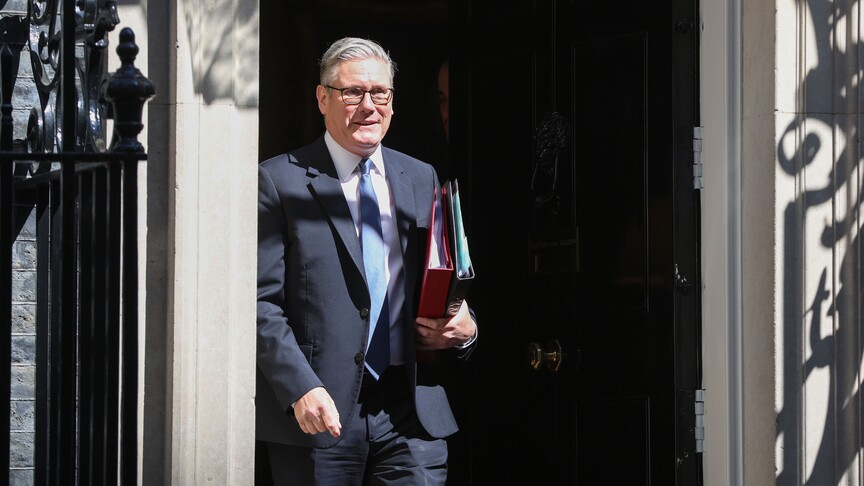
In a controversial move, the British Parliament has rejected a call for an investigation into allegations that Labour leader Keir Starmer misled Parliament regarding the scrutiny of Peter Mandelson. The voting outcome was 335 votes against the investigation and 223 in favor, reflecting a significant political divide among the country's parties.
This vote comes at a sensitive time as the Conservative Party seeks to exploit this issue to tarnish Starmer's reputation and increase pressure on him. This step has been viewed as an attempt by the Conservatives to highlight what they perceive as a lack of transparency from the Labour leader.
Details of the Allegations
The investigation aimed to explore whether Starmer provided misleading information to Parliament regarding the scrutiny of Mandelson, who previously held a prominent role in the British government. This issue arose after some links between Mandelson and the Epstein scandal were revealed, complicating the situation further.
During the session, Starmer defended himself vigorously, asserting that he did not mislead Parliament and that he was acting with complete transparency. He also pointed out that these attempts by the Conservative Party are aimed at diverting attention from more pressing issues facing the country.
Background & Context
Historically, the British Parliament has witnessed numerous political crises related to transparency and accountability. The Mandelson case is not new; he has been involved in several political scandals in the past, making him a controversial figure. Additionally, the Epstein scandal has impacted many public figures, increasing the sensitivity of the topic.
Starmer's leadership is being tested as he navigates these allegations, and the political landscape is becoming increasingly fraught. The Labour Party's response to this issue will likely shape its future strategies and public perception.
Impact & Consequences
This case serves as a real test for Starmer's leadership and his ability to withstand political pressure. If the pressure continues, it could affect the party's strategies in the upcoming elections. Furthermore, these developments may lead to greater divisions within the Labour Party, potentially impacting its unity in the future.
The implications of this situation extend beyond just Starmer and the Labour Party; they could influence the broader political dynamics in the UK, especially as the Conservative Party seeks to capitalize on any perceived weaknesses.
Regional Significance
The fallout from this situation may resonate beyond the immediate political landscape, affecting public trust in political institutions and the overall health of democracy in the UK. As issues of transparency and accountability come to the forefront, the public's response will be crucial in determining the future direction of both major parties.
Ultimately, the handling of this situation by Starmer and the Labour Party will be closely monitored, as it could set precedents for how similar allegations are addressed in the future.