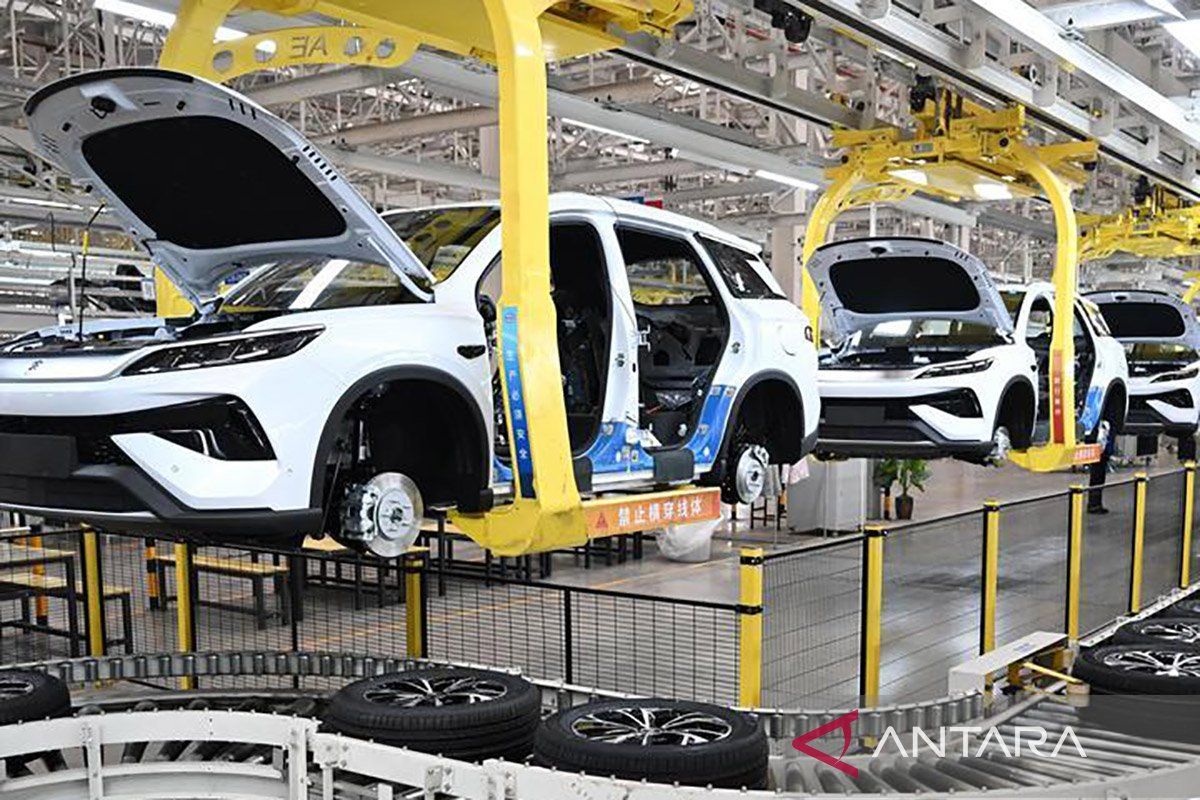
Chinese automaker BYD, one of the largest electric vehicle manufacturers in the world, has announced plans to reduce its workforce by 100,000 employees by 2025, bringing the total number of employees down to 870,000. This decision is part of the company's strategy to enhance operational efficiency and improve cost management amidst increasing competition in the electric vehicle market.
According to reports published by Chinese media, BYD achieved revenues of 803.96 billion yuan (approximately 1.9 trillion rupees) in 2025, with total vehicle shipments reaching 4.60 million units. The company also recorded its first-time export shipments exceeding 1.05 million units.
Event Details
Despite the revenue growth, BYD's net profits saw a decline of 19% year-on-year, amounting to 32.62 billion yuan (around 80.3 trillion rupees). This decline is attributed to pricing pressures in the new car market in China, alongside ongoing investments in automotive and battery technology.
BYD continues to invest in research and development, allocating 63.4 billion yuan (about 156.3 trillion rupees) for this purpose, reflecting its commitment to developing new technologies in the fields of electricity, battery systems, and charging infrastructure, despite pressures on profit margins.
Background & Context
Founded in 1995, BYD has since become a leader in the electric vehicle industry. With the growing demand for electric vehicles worldwide, the company seeks to strengthen its market position by improving efficiency and reducing costs. However, BYD faces significant challenges, including intense competition from other companies like Tesla and NIO.
BYD is considered one of the top ten companies in the automotive industry globally, and its success in exporting vehicles to foreign markets reflects its desire for international expansion. The launch of the new Blade 2.0 battery in March 2026, which claims to charge 70% of the battery in about 5 minutes, is a strategic step to enhance its competitive capability.
Impact & Consequences
These measures underscore the importance of restructuring in large companies to address economic challenges. Reducing the workforce may have negative effects on employee morale, but it may be necessary to ensure the company's sustainability in changing market conditions.
Investments in battery technology and charging infrastructure are expected to improve demand for electric vehicles in the near future. However, challenges associated with market demand fluctuations may impact revenue stability.
Regional Significance
The Arab region is also witnessing a shift towards electric vehicles, as many countries seek to reduce reliance on fossil fuels. BYD's experience could serve as a model for the region, where Arab countries can benefit from technological innovations in this field.
In conclusion, BYD's decision to reduce its workforce and enhance operational efficiency highlights the importance of adapting to rapid changes in the electric vehicle market. Investment in technology and innovation will have a significant impact on the company's future and its ability to compete in global markets.