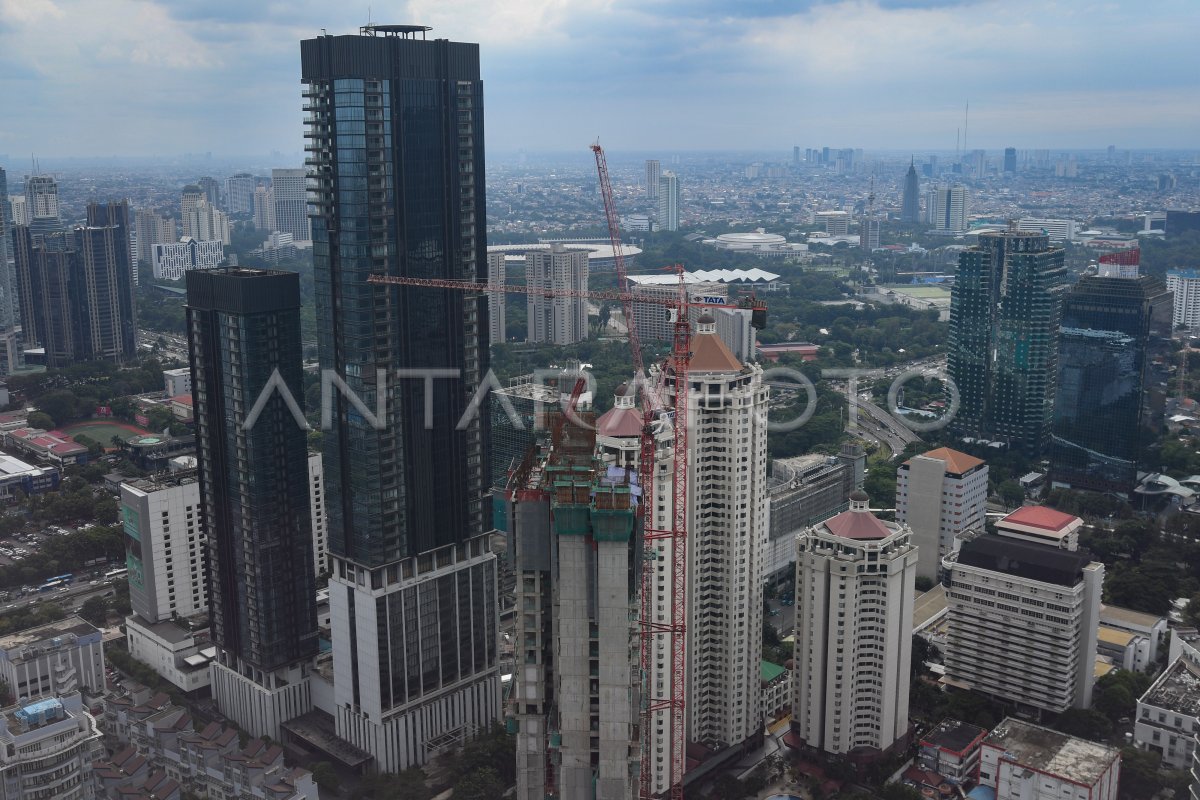
The Indonesian Businessmen Association (APINDO) emphasized the need for balanced economic policies targeting both supply and demand to tackle global economic and geopolitical challenges. This statement was made by the association's president, Shinta W. Kamdani, during a press conference in Jakarta.
Kamdani pointed out that policies should focus on keeping business costs under control, ensuring healthy cash flow, and stabilizing the business environment. She also stressed the importance of enhancing citizens' purchasing power as part of the government's response to current challenges.
Details of the Event
In her remarks, Kamdani explained that the government should focus in the short term on maintaining macroeconomic stability and preventing global shocks from affecting the local economy. This requires controlling energy prices, stabilizing the exchange rate, and ensuring smooth logistics and supply chains.
She also called for economic policies to be flexible and measurable, based on a thorough analysis of various sectors, with a clear communication channel with the private sector.
Background & Context
These statements come at a time when the global economy is experiencing significant fluctuations due to geopolitical crises, such as conflicts in the Middle East and their impacts on energy markets. Additionally, the COVID-19 pandemic continues to cast a shadow over economic activities in many countries, including Indonesia.
Historically, Indonesia has heavily relied on exports and natural resources, making it vulnerable to fluctuations in global markets. Therefore, strengthening local economic policies has become essential to ensure sustainable economic growth.
Impact & Consequences
APINDO warns that failing to take immediate action could exacerbate economic conditions, negatively affecting both domestic and foreign investments. Furthermore, boosting local consumption and providing targeted incentives, especially for labor-intensive sectors, is vital for maintaining competitiveness.
In the long term, economic strategies should include enhancing sustainability through the development of alternative energy sources, reducing reliance on imported raw materials, and implementing gradual reforms in energy subsidies.
Regional Significance
Arab countries are also affected by global economic challenges, with many experiencing fluctuations in oil and gas prices. Therefore, Indonesia's experiences in strengthening local economic policies could serve as a model for the region.
It is essential for Arab countries to learn from global experiences in addressing economic crises by enhancing cooperation between governments and the private sector, and developing flexible strategies that align with local and international conditions.