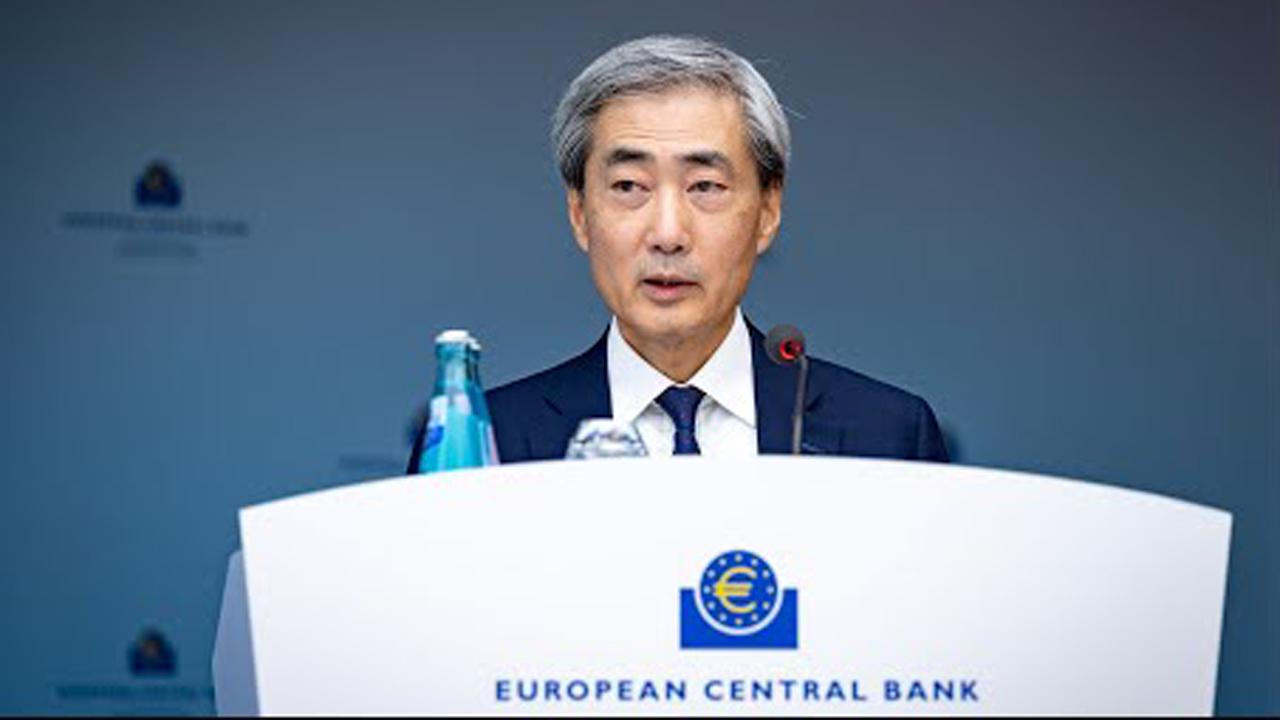
Shin Hyung-sung, the candidate for the position of Governor of the Bank of Korea, stated during a press conference on Tuesday that the Korean central bank needs to adopt a "flexible" monetary policy to confront the rising risks associated with the ongoing war in Iran. He clarified that the current situation of the Korean currency, the won, is not alarming, noting that liquidity levels are good, despite the currency having reached its lowest level against the US dollar since March 2009.
Shin pointed out that the crisis in the Middle East is considered the largest threat to the Korean economy, necessitating urgent action. He also urged the government to prepare an additional budget to support low-income households that have been significantly impacted by the financial pressures resulting from the war in Iran. He assured that the inflationary pressures arising from this budget would be limited, given its design and size.
Event Details
Shin Hyung-sung, who currently serves as the head of the economics department at the Bank for International Settlements, was appointed last week by President Lee Jae-myung to be the Governor of the Bank of Korea. He is scheduled to undergo a parliamentary hearing before assuming his position. These remarks come at a sensitive time, as the war in Iran continues to impact global markets, increasing pressure on the South Korean economy.
The war in Iran is one of the significant geopolitical events affecting economic stability in the region, with growing concerns about its implications for oil prices and financial markets. The current situation reflects the challenges many countries face in dealing with global economic crises.
Context and Background
Historically, the Middle East has witnessed numerous conflicts that have impacted the global economy, including civil wars and political crises. The war in Iran is no exception, as it has exacerbated economic conditions in many neighboring countries, in addition to its effects on global oil prices. In this context, the Bank of Korea seeks to take proactive steps to mitigate the impact of these crises on the domestic economy.
Monetary policy is a key tool in addressing economic challenges, as central banks can adjust interest rates and raise or lower liquidity levels in the markets. In the case of South Korea, adopting a flexible monetary policy could help boost economic growth and reduce inflationary pressures.
Implications and Effects
Adopting a flexible monetary policy could have positive effects on the Korean economy, as it may help support domestic investments and boost consumption. However, this must be done cautiously, as increasing liquidity could exacerbate inflation if not managed properly. Additionally, the unstable global economic situation may complicate this issue.
Furthermore, the impact of the war in Iran extends beyond Korean borders, as it can affect trade relations between countries and heighten economic tensions in the region. Therefore, a swift and effective response from both the government and the central bank will be essential to avoid future crises.
Impact on the Arab Region
Arab countries are directly affected by events in Iran, as many nations rely on the stability of oil prices, which are significantly influenced by conflicts in the region. Economic crises in Iran may also lead to an influx of refugees and increased political tensions in neighboring countries, prompting Arab nations to take proactive measures to address these challenges.
In conclusion, Shin Hyung-sung's recent statements reflect a growing awareness of the economic risks arising from geopolitical conflicts. It is crucial for countries, including South Korea and Arab nations, to remain vigilant and prepared to adapt to rapid changes in the global economic landscape.