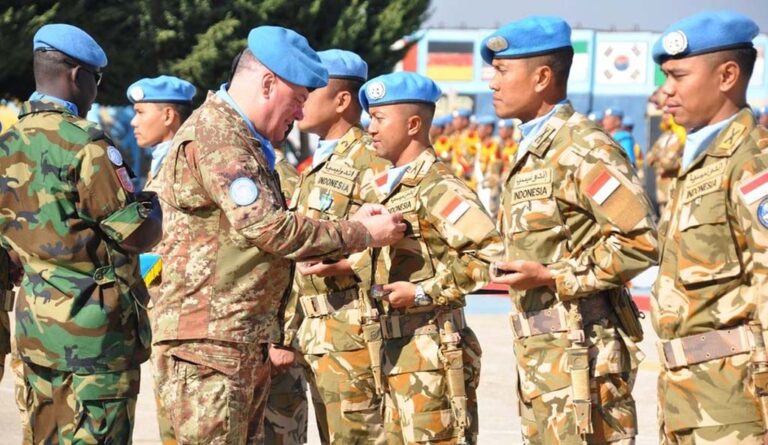
The regional parliament in Yogyakarta, Indonesia, has urged President Prabowo Subianto to honor three members of the Garuda Battalion as national heroes, in recognition of their efforts to promote peace and security during their military missions. This request comes at a time when the country is increasingly focused on honoring individuals who have contributed to enhancing Indonesia's image on the international stage.
The Garuda Battalion is considered one of the prominent military units in Indonesia and has played a significant role in various international missions, including peacekeeping operations. The members of this battalion have demonstrated courage and dedication in performing their duties, making them role models in Indonesian society.
Details of the Request
The request was presented by members of the regional parliament during a special session, where the importance of honoring these individuals who have made significant sacrifices for the homeland was emphasized. The parliamentarians noted that honoring these heroes would contribute to enhancing national spirit and encourage future generations to serve their country.
Moreover, the achievements of the Garuda Battalion in their international missions were highlighted, as they participated in numerous humanitarian and peacekeeping operations in conflict areas. This type of work reflects Indonesia's commitment to contributing to global security and stability.
Background & Context
The Garuda Battalion was established in 1992, and since then, it has become one of the most renowned military units in Indonesia. It has participated in many international missions under the auspices of the United Nations, contributing to enhancing Indonesia's image as a responsible state in the international community.
Historically, Indonesia has always sought to be a key player in global peace and security issues. The Garuda Battalion has contributed to achieving this goal through its effective participation in peacekeeping operations in areas such as Lebanon and Sierra Leone.
Impact & Consequences
Honoring these individuals could have a positive impact on Indonesian society, as it enhances the value of national service and encourages youth to engage in the armed forces. Additionally, this recognition could strengthen the ties between the military and the community, contributing to internal stability.
Furthermore, honoring national heroes can reflect a positive image of Indonesia on the international stage, enhancing its status as a supporter of global peace and security.
Regional Significance
In light of the security challenges faced by many Arab countries, Indonesia's experience in honoring national heroes could serve as a model to emulate. Enhancing national spirit can contribute to improving security conditions and stability in the region.
Moreover, strengthening cooperation among countries in the field of peacekeeping can have a positive impact on regional security, reflecting the importance of collective action in addressing common challenges.
The call from the regional parliament in Yogyakarta to honor members of the Garuda Battalion as national heroes represents an important step in promoting national spirit and appreciating the efforts of individuals who strive to serve their country. Such recognition can have positive effects on society and enhance Indonesia's position on the international stage.