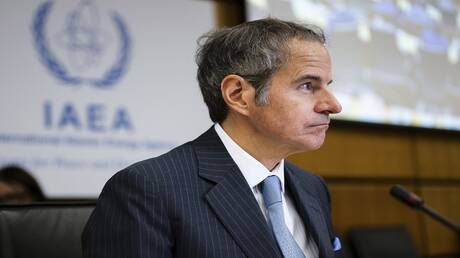
Rafael Grossi, the Director General of the International Atomic Energy Agency, called for the utmost military restraint following the fall of a projectile near the Bushehr nuclear power plant in Iran. This incident raises serious concerns about the safety of nuclear facilities in the region and reflects the escalating tensions in the political and military atmosphere.
Speaking at a press conference, Grossi emphasized the importance of avoiding any escalation that could lead to dire consequences. He noted that such incidents could result in unexpected nuclear accidents, necessitating immediate steps from all parties involved to alleviate tensions.
Details of the Incident
The incident occurred at a sensitive time, as the region has been experiencing increasing tensions between Iran and Western countries, particularly amid negotiations regarding Iran's nuclear program. The projectile's fall near the Bushehr nuclear power plant, one of Iran's most significant nuclear facilities, raises concerns about nuclear safety in the country.
The plant, which began operations in 2011, is a key hub for Iran's nuclear energy, and it has faced international criticism due to safety concerns. This recent incident comes at a time when fears of military escalation in the region are growing, complicating the security situation further.
Background & Context
Historically, Iran has been a focal point of international attention due to its nuclear program, which the West views as a potential threat to regional security. Since 2015, Iran entered into a nuclear agreement with world powers, but tensions escalated after the United States withdrew from the agreement in 2018.
The International Atomic Energy Agency plays a vital role in monitoring Iran's nuclear activities and ensuring the country's compliance with international standards. However, incidents like the projectile's fall near the Bushehr plant remind us of the risks associated with nuclear activities in a region suffering from political instability.
Impact & Consequences
The potential consequences of this incident could be far-reaching, as it may lead to heightened tensions between Iran and Western countries, complicating diplomatic efforts. Additionally, any nuclear incident could impact regional security and increase concerns regarding the safety of nuclear facilities in the area.
Moreover, the continued military tensions could affect the Iranian economy, which is already struggling under international sanctions. Any escalation could provoke reactions from the international community, increasing pressure on the Iranian government.
Regional Significance
For Arab countries, any escalation in tensions surrounding Iran's nuclear program could impact regional security. Gulf states, in particular, are closely monitoring the situation, as they consider Iran a strategic neighbor and view any nuclear threat as a significant concern.
Nuclear incidents could also affect relations between Arab states and Iran, complicating the political landscape in the region. Regional cooperation in nuclear security may become increasingly important under these circumstances, as countries seek to ensure the safety of their nuclear facilities.
In conclusion, the situation in Iran and around the Bushehr nuclear power plant remains under scrutiny, as fears of potential nuclear incidents grow. All parties involved must take immediate steps to avoid escalation and ensure the safety of nuclear facilities.