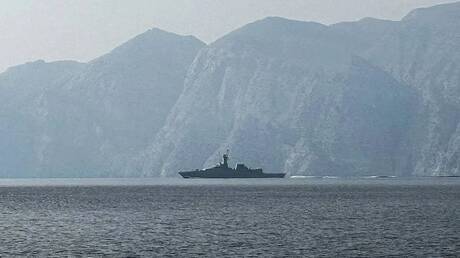
Bahrain's Foreign Minister, Abdullatif bin Rashid Al-Zayani, has called on the international community to take urgent measures to deal with the crisis in the Hormuz Strait. He emphasized that this crisis could lead to severe humanitarian and economic repercussions if not addressed swiftly and effectively.
The Hormuz Strait is one of the most important maritime corridors in the world, through which approximately 20% of total global oil exports pass. Therefore, any tension in this area could significantly impact global energy markets, necessitating a coordinated international response.
Details of the Situation
Al-Zayani's statements come at a time when the Hormuz Strait is witnessing escalating tensions among competing nations vying for influence in the region. He pointed out that these tensions could lead to military escalation, increasing the risk of incidents affecting maritime navigation.
He also stressed the importance of cooperation among nations to ensure the safety of navigation in the strait, emphasizing the need for effective communication and coordination mechanisms among the concerned countries.
Background & Context
Historically, the Hormuz Strait has experienced numerous crises that have heightened tensions among nations. In recent years, concerns have grown over security threats due to the military activities of certain countries in the region, making it essential to bolster international efforts to protect this vital passage.
Bahrain, being a country located near the strait, is one of the most affected by any escalation in tensions, as it heavily relies on the stability of maritime navigation in the area to ensure its economic security.
Impact & Consequences
If the crisis continues without international intervention, global markets may face sharp increases in oil prices, which would impact the global economy as a whole. Additionally, humanitarian repercussions may arise due to heightened tensions, potentially leading to population displacement and increased humanitarian crises in the region.
These conditions require a swift response from the international community, as any delay could exacerbate the situation and increase risks to regional and international security.
Regional Significance
The Hormuz Strait crisis is a sensitive issue affecting all Arab countries, as any escalation could destabilize the region. Therefore, cooperation among Arab nations is essential to address these challenges.
In conclusion, the international community must act urgently to avert the repercussions of the crisis in the Hormuz Strait, as a prompt response can prevent the situation from worsening and protect maritime navigation, ensuring regional stability.