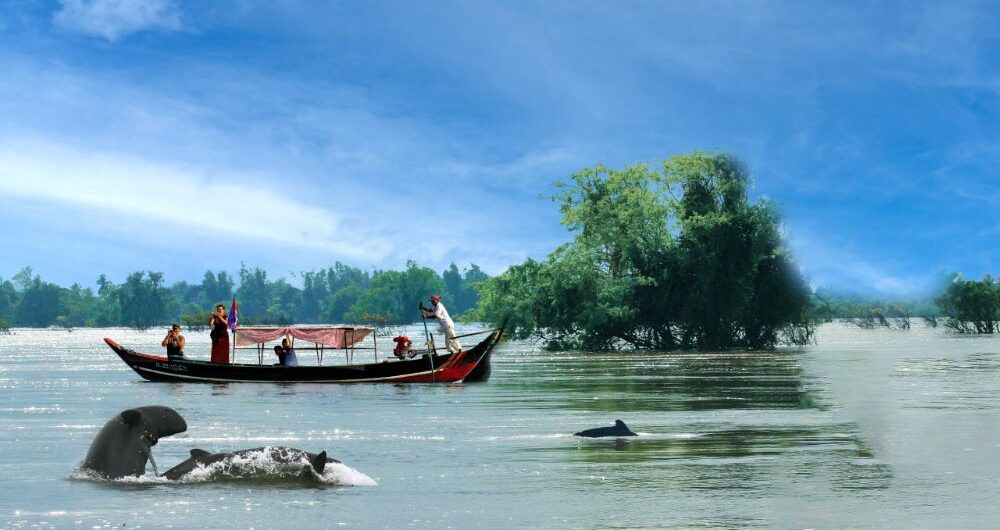
In a heartening development for marine life enthusiasts, the Ministry of Agriculture, Forestry and Fisheries in Cambodia has announced the birth of a new Irrawaddy dolphin, increasing the total count of newborn dolphins in the country to six during the year 2026. The dolphin, just three days old, was observed in the dolphin pool located in the Kami area of Kratie province on Monday, April 27.
The newborn dolphin, born under healthy conditions, was seen swimming alongside a group of six adult dolphins. This event is part of ongoing efforts to protect this endangered species, as the total number of Irrawaddy dolphins in the Mekong River in Cambodia has now risen to 118 dolphins.
Event Details
The birth of the dolphin was confirmed by a team of researchers from the Cambodian Fisheries Administration and the World Wildlife Fund. The press release noted that the new dolphin represents a positive sign of the ongoing conservation efforts for this rare species, which has been classified as endangered since 2004.
Irrawaddy dolphins inhabit the Mekong River, where their habitats extend over 120 kilometers in the provinces of Kratie and Stung Treng. This river is a vital habitat for these species, making the preservation of their environment critically important.
Background & Context
Historically, Irrawaddy dolphins were considered a common species in the Mekong River, but environmental degradation, climate change, and overfishing have led to a significant decline in their numbers. In recent years, the Cambodian government has made substantial efforts to protect this species, including the establishment of marine reserves and the enforcement of strict laws against illegal fishing.
These efforts are part of a broader strategy to protect biodiversity in the region, as Cambodia seeks to promote eco-tourism and raise awareness about the importance of marine life conservation.
Impact & Consequences
The birth of the new dolphin is a positive step toward boosting the population of this endangered species, which may contribute to improving the ecological balance in the Mekong River. An increase in the number of dolphins could also enhance eco-tourism, allowing visitors to enjoy observing these unique creatures in their natural habitat.
Moreover, the success of conservation programs may encourage other countries in the region to take similar steps to protect endangered species, thereby fostering regional cooperation in environmental conservation.
Regional Significance
Although Irrawaddy dolphins live in the Mekong River, the environmental issues they face reflect larger challenges confronting marine life worldwide. In the Arab region, many marine species face similar threats due to pollution and overfishing, necessitating urgent action to preserve biodiversity.
Cambodia's success in protecting its dolphins could serve as a model for Arab countries seeking to safeguard their marine environments.