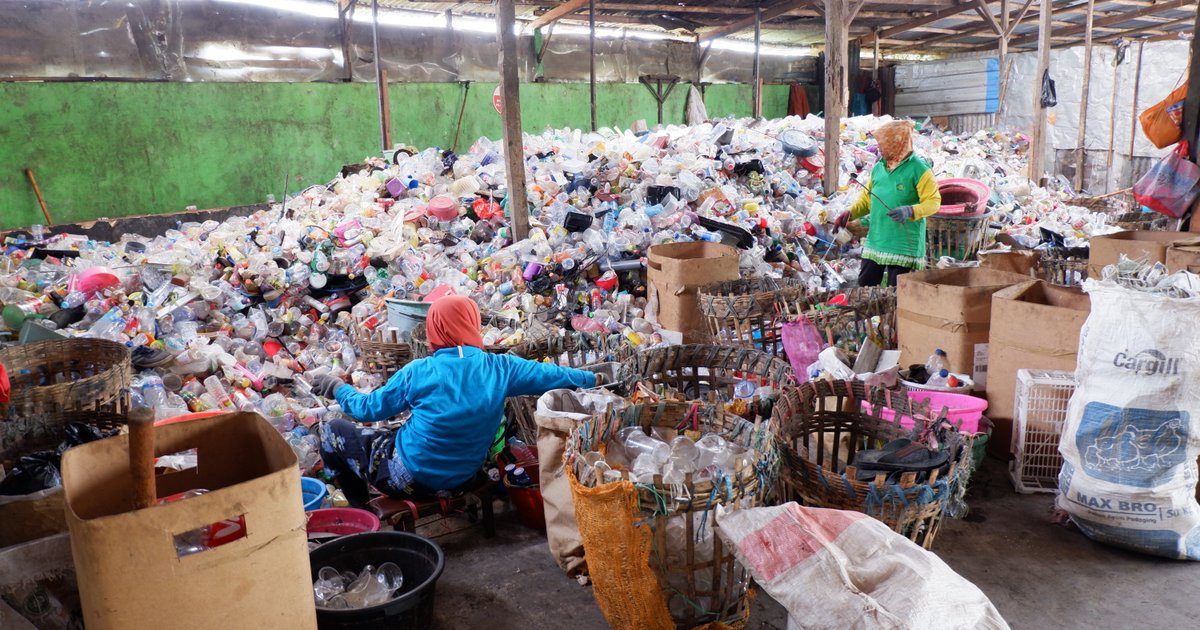
In a move aimed at improving waste management in Indonesia, Teddy Rusmawan, a member of the Environment Committee in the Indonesian Parliament, urged all local governments in West Java Province to enhance waste management by developing community banks and waste processing centers based on the principle of reduce, reuse, recycle (TPS3R).
Teddy emphasized that the role of local governments, whether at the city, district, or provincial level, must be strengthened to support this community-based ecosystem. He highlighted the importance of the Ministry of Environment as a leading entity in this field, which requires improved support and guidance for stakeholders involved in waste management.
Event Details
During his speech in the city of Bandung, Teddy confirmed that the efforts of activists in community banks have significantly contributed to reducing waste, but government support still needs enhancement. He explained that there is an urgent need for greater collaboration between the government and the local community to achieve the desired environmental goals.
He also noted that the Indonesian Parliament is opening doors for cooperation with local governments, especially in areas of training, consultation, and oversight of the Ministry of Environment at various levels. This collaboration reflects the Parliament's desire to improve the effectiveness of environmental programs.
Background & Context
Waste management is a critical issue facing many countries, including Indonesia, which suffers from significant problems in this area. Historically, waste management has relied heavily on traditional methods, leading to exacerbated environmental crises.
In recent years, Indonesia has begun taking serious steps towards improving waste management by enhancing community awareness and developing programs that rely on active citizen participation. Community banks have proven to be an effective tool in this context, contributing to waste reduction and promoting recycling.
Impact & Consequences
These initiatives are expected to improve the local environment and enhance environmental awareness among citizens. Additionally, strengthening cooperation between the government and the community can contribute to achieving sustainable development goals.
Furthermore, improving waste management can create new job opportunities in recycling and waste management sectors, benefiting the local economy.
Regional Significance
Indonesia's experience in waste management serves as a model that Arab countries can benefit from, as they face similar challenges in this area. Arab nations can enhance waste management programs by encouraging community participation and developing innovative solutions.
In conclusion, enhancing waste management through community banks represents an important step towards achieving a more sustainable environment and reflects the importance of collaboration between the government and the community in addressing environmental challenges.