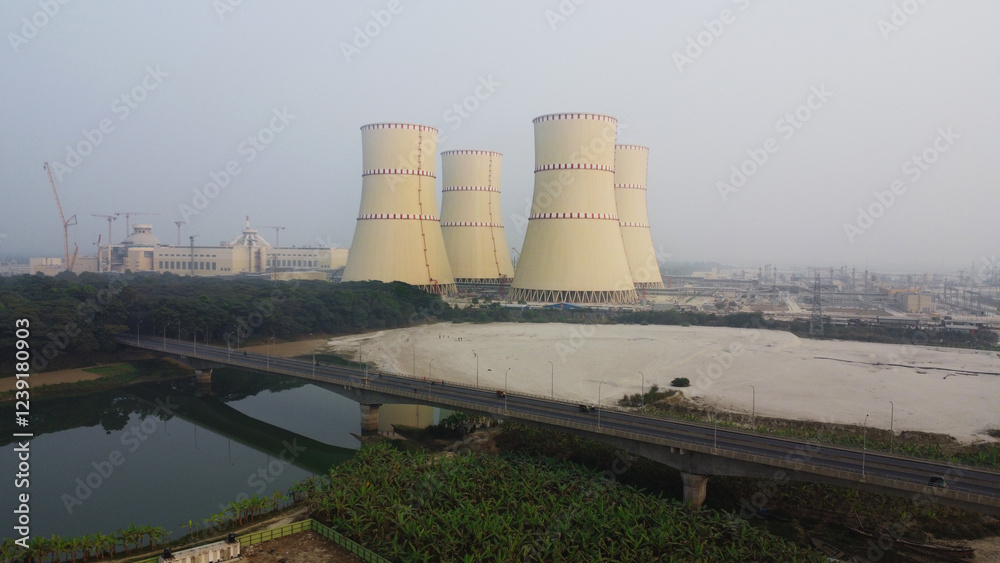
Bangladesh has commenced the loading of nuclear fuel at its first nuclear power plant, the Rooppur facility, on Tuesday, April 28. This milestone represents a crucial advancement towards the operational launch of the plant, which aims to alleviate the pressure on the country’s increasingly strained energy grid. The plant, with a capacity of 2400 megawatts, is projected to supply approximately 10% of the energy requirements for a nation with a population of 170 million people.
The construction of the Rooppur Nuclear Power Plant began in 2017, with an investment of around $11 billion. Initial power generation is expected to commence at about 300 megawatts by August, before the plant reaches its full capacity by late 2027.
Event Details
Saikat Ahmed, the chief scientific officer at the plant, stated that "the nuclear fission reaction will commence in the reactor core once the fuel loading is completed." This phase marks the beginning of the actual operation of the plant, requiring meticulous testing at every stage to ensure safety and security.
Bangladesh's energy grid faces increasing pressures each year during the summer months, as demand surges due to air conditioning usage. These pressures have been exacerbated by the energy crisis stemming from conflicts in the Middle East, where Bangladesh relies on importing 95% of its oil and gas needs, primarily from Middle Eastern countries.
Background & Context
Historically, Bangladesh has heavily depended on traditional energy sources, but with rising energy demands, the government has begun to seek sustainable alternatives. This led to the conception of the Rooppur Nuclear Power Plant, representing a step towards diversifying the country’s energy sources.
Nuclear energy is an attractive option for many developing countries, as it can provide a stable energy source while reducing reliance on fossil fuels. However, establishing nuclear power plants requires substantial investments and advanced technology, along with a strong commitment to environmental and safety standards.
Impact & Consequences
The Bangladeshi government anticipates that the Rooppur plant will contribute to improving the stability of the energy grid, which will support economic growth in the country. However, this initiative comes with challenges, including the need to ensure operational safety and train technical personnel.
Additionally, the operation of the plant will help reduce dependence on energy imports, potentially improving the country’s trade balance. Nevertheless, any incidents or operational issues could negatively impact public confidence in nuclear energy.
Regional Significance
The energy crisis in Bangladesh exemplifies the challenges faced by many developing countries in the region. With increasing energy demands, these nations must seek sustainable and efficient solutions to meet their needs.
Bangladesh's experience with nuclear energy may inspire other countries in the Arab region to explore alternative energy options, especially given the challenges associated with reliance on oil and gas. Furthermore, regional cooperation in the energy sector could enhance energy security across the region.