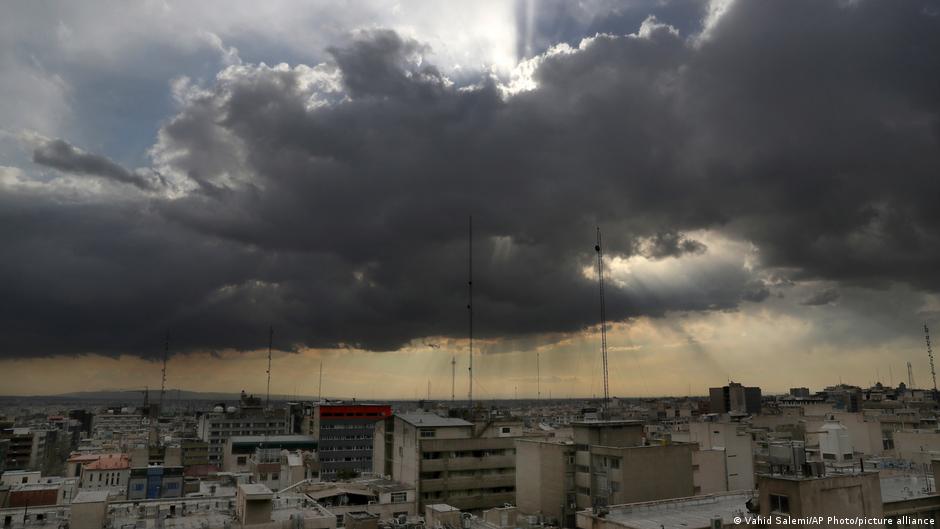
A heated debate surrounds allegations regarding the impact of a weather modification research center in the UAE on rainfall in Iran. Some social media users have claimed that the destruction of this center has led to noticeable climatic changes in Iran, raising questions about the possibility of cross-border weather modification.
These claims trace back to previous statements made by an Iranian general in 2018, who alleged that Israel was stealing Iran's clouds. Although these statements were later retracted, allegations of a 'weather war' have resurfaced amid the current conflict in Iran.
Details of the Incident
Social media has circulated videos showing full dams and snow-covered roads, which some have interpreted as evidence of climatic interventions. One user on the platform X suggested that Iran bombed weather modification radars in the UAE, resulting in a drop in temperature in Tehran, along with rainfall and snowfall.
However, these claims lack evidence, as no attack on the mentioned center has been confirmed, and scientists have asserted that weather modification technology does not operate in this manner. While there is a research center in the UAE focused on enhancing rainfall, it is not a secret facility as alleged.
Background & Context
Weather modification technology, known as 'cloud seeding', dates back to the mid-20th century, when techniques were developed to stimulate rainfall from existing clouds. This is achieved by releasing substances such as silver iodide or sodium chloride into the clouds using aircraft or ground-based platforms.
This technology is considered a means to combat water shortages, particularly in areas suffering from drought. However, it cannot create rain from nothing; it relies on the presence of clouds that are already capable of precipitation.
Impact & Consequences
Research indicates that weather modification technology can increase rainfall by about 5-20% on a small scale, but it cannot influence weather patterns on a large scale. Therefore, claims that this technology could lead to significant climatic changes across borders are exaggerated.
Moreover, the climatic changes observed in Iran, including periods of drought and heavy rainfall, are attributed to multiple factors, including climate change, which exacerbates these phenomena.
Regional Significance
These allegations are part of the increasing political discourse surrounding climate change in the region, where concerns about the impact of climate change on water and food security are rising. Amid political tensions, such claims could exacerbate situations and strain relations between countries.
Ultimately, understanding climatic changes in the region requires careful analysis based on scientific evidence, rather than relying on rumors and unsupported allegations.