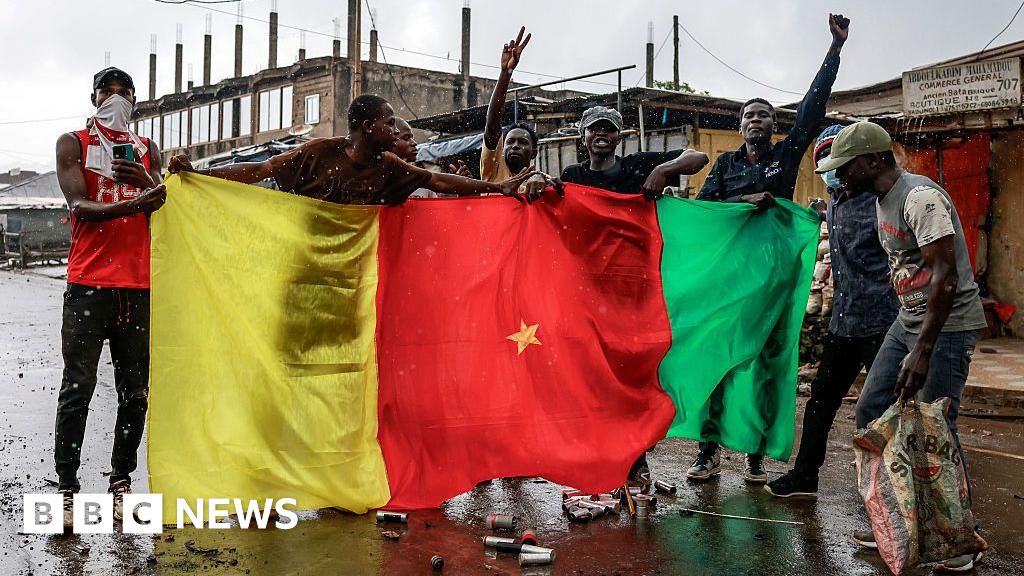
Last weekend, Cameroonian authorities halted a series of events dedicated to honoring prominent opposition figure Anicet Ikani, who died in prison in early December 2025. This decision comes at a sensitive time following the presidential elections held in October, which sparked widespread controversy over their results.
The tribute was set to span three days, from March 26 to 28, in the city of Bafoussam in the western part of the country. The events included a photo exhibition of Ikani, who was a former president of the Manidem party, as well as speeches from representatives of opposition parties, a cultural evening, and spiritual activities.
Details of the Event
According to Radio France Internationale, police forces stormed the party headquarters hosting the events, acting on instructions from local authorities. The program was halted after the exhibition's opening, and police imposed a security cordon around the venue throughout the night, preventing the scheduled activities from continuing the next day.
The organizers announced the cancellation of all events following this intervention, considering the ban as a reflection of the tightening of freedom of expression and political activity in the country. This occurs amid a charged atmosphere in Cameroon following the recent elections, where the victory of President Paul Biya raised questions about the fate of opposition figures.
Background & Context
Anicet Ikani died in prison after being one of the most prominent supporters of opposition candidate Isa Chiruma Bakari, who faced President Biya in the recent elections. Ikani, known for his political activism and opposition stance, was arrested earlier last year, raising widespread concerns about human rights in the country.
Historically, Cameroon has witnessed numerous political tensions, where freedom of expression and political activity are considered sensitive issues affecting public life. These tensions have led to arrests and protests in the past, reflecting a state of political instability in the country.
Impact & Consequences
These events occur within a broader context of political repression in Cameroon, where the ban on honoring Ikani is viewed as a step reflecting intolerance towards the opposition. This repression could exacerbate political and social conditions, intensifying tensions between the government and the opposition.
Moreover, this ban may affect the image of the Cameroonian government in the international community, where respect for human rights and freedom of expression are fundamental criteria by which countries are evaluated. This could lead to international calls for a review of human rights policies in the country.
Regional Significance
The repercussions of these events extend beyond Cameroon, reflecting a pattern of political repression that could occur in other countries in the region. The tightening of freedom of expression and political activity may have negative effects on political and social stability in Arab states, where many face similar challenges.
In light of these circumstances, it becomes essential to promote political dialogue and support human rights in the region to ensure a more stable and prosperous future. The events in Cameroon may serve as a warning to other countries about the importance of respecting citizens' rights and opening avenues for political dialogue.